
Mitchell Santner's Injury Disrupts New Zealand's Test Plans as Dean Foxcroft Earns Replacement Call-Up
New Zealand's Test preparations have suffered a significant setback just days...
New Zealand's Test preparations have suffered a significant setback just days before the start of their two-match series against India. Experienced all-rounder Mitchell Santner has been ruled out after fracturing his right hand, with Dean Foxcroft called into the 14-member squad as his replacement. On the surface, this may appear to be a routine change forced by injury. A closer examination of New Zealand's team structure, their position in the World Test Championship and the demanding Australia tour that follows reveals a more complicated problem. Santner's absence removes an experienced left-arm spin option, but it also changes the team's batting depth, bowling combinations and ability to adapt across different phases of a Test match.
Santner sustained the injury during the fifth and final ODI against India at Mount Maunganui on November 15. A delivery from India's left-arm fast bowler Arshdeep Singh struck his right hand while he was batting. The incident occurred during the 37th over of New Zealand's chase. Santner received treatment from the team physio but continued his innings, eventually scoring 24. Subsequent scans confirmed a fracture, ruling him out of both Tests against India.
One detail deserves particular attention. Santner is a left-arm orthodox spinner, but the injured hand is his right, non-bowling hand. It would therefore be inaccurate to suggest that the fracture has directly damaged his spinning action or bowling hand. The injury nevertheless matters. Batting, fielding, grip strength and the ability to absorb impact all depend on the injured hand. A professional cricketer cannot be considered match-ready merely because the initial pain has subsided or the bone has begun to heal.
New Zealand Cricket has confirmed that Santner's return-to-play timeline is still being assessed. His availability for the four-Test tour of Australia, which begins on December 9, will be updated later. His absence from the India series is certain, but the Australia question remains open. That uncertainty creates a planning challenge for the selectors, who must prepare for the immediate series without losing sight of the next assignment.
Foxcroft has been selected as Santner's replacement, but the two players do not offer identical roles. Santner is an experienced international all-rounder whose left-arm spin, lower-order batting and understanding of pressure situations have made him valuable across formats. Foxcroft is primarily a batter who can also contribute with off-spin. His Test experience remains limited. The selection should therefore be understood as a practical squad adjustment rather than a like-for-like replacement.
How important is spin in New Zealand conditions?
The first Test begins at Wellington's Basin Reserve on November 19. The second starts at Christchurch's Hagley Oval on November 27. Both venues are associated with conditions that can reward seam bowling. New-ball movement, bounce and assistance from cloud cover can shape the first innings. Unlike many subcontinental grounds, these venues do not usually demand that a specialist spinner dominate the attack throughout the match.
That does not make Santner's absence insignificant. The value of a Test spinner cannot be measured only by the amount of turn available on the surface. Spinners can control scoring after the fast bowlers have taken early wickets, build pressure during the middle overs and exploit deterioration in the pitch during the second innings. A surface that initially favours seam may offer a different challenge on the fourth or fifth day. New Zealand's conditions can make spin a secondary weapon early in a match without eliminating its value later.
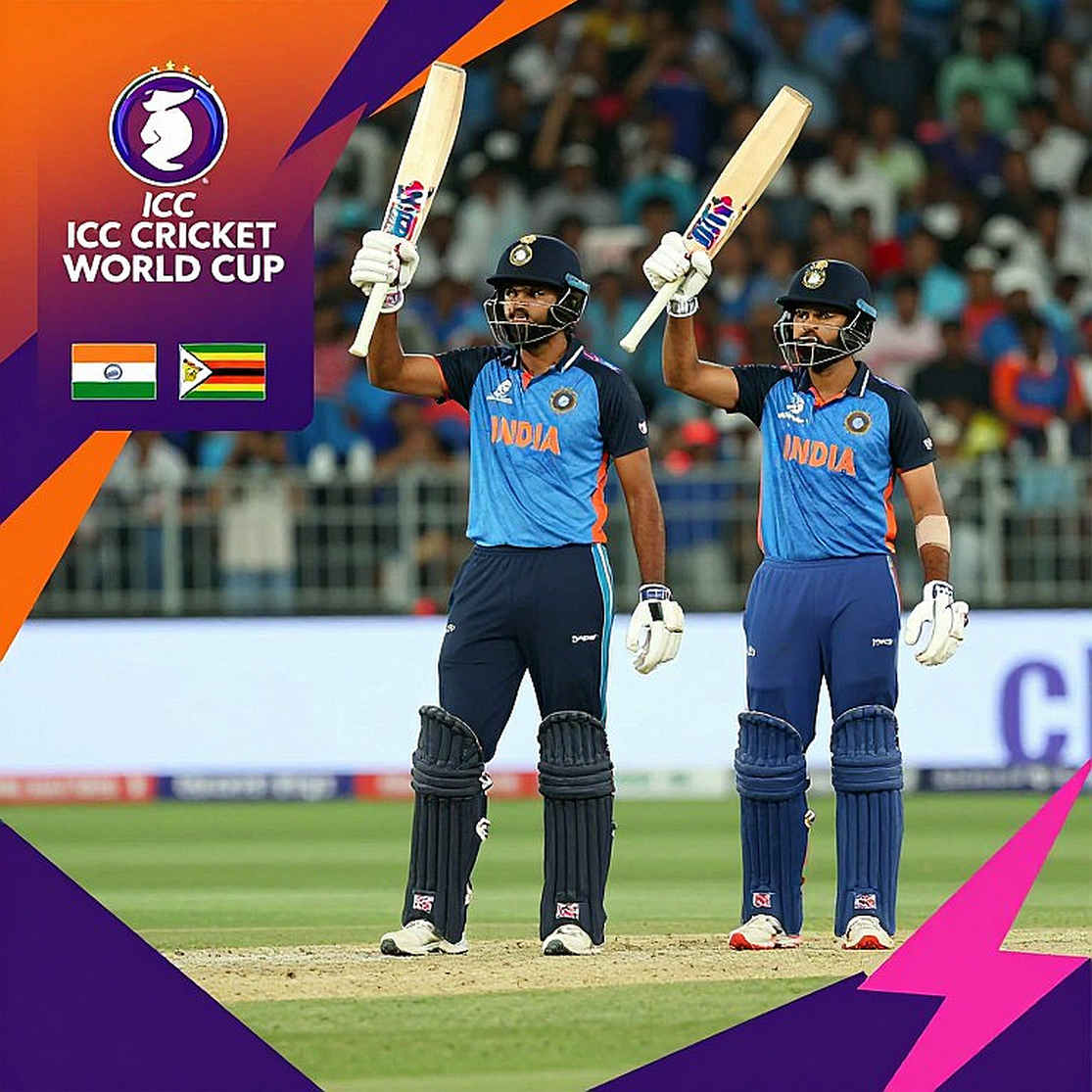
Team selection at Basin Reserve and Hagley Oval requires a balance between three priorities. The first is new-ball effectiveness. The second is control during the middle phases of an innings. The third is batting depth when the match reaches its final stages. Santner could contribute to all three in different ways. His presence gave New Zealand the option of selecting four specialist fast bowlers while retaining an experienced spinner and a useful lower-order batter. Without him, maintaining the same structure becomes more difficult.
New Zealand's 14-member squad includes Tom Latham, Tom Blundell, Devon Conway, Jacob Duffy, Dean Foxcroft, Matt Henry, Kyle Jamieson, Daryl Mitchell, Henry Nicholls, Glenn Phillips, Rachin Ravindra, Nathan Smith, Blair Tickner and Will Young. The pace-bowling options are substantial. Matt Henry and Kyle Jamieson provide experience, while Duffy, Tickner and Nathan Smith offer additional seam resources. The more obvious shortage is in specialist spin, where Santner's absence leaves a significant gap.
Rachin Ravindra and Glenn Phillips can provide spin, while Foxcroft offers an off-spin option. However, none should automatically be treated as a direct substitute for Santner's bowling role. A specialist spinner generally works through changes of pace, length, trajectory and line over sustained spells. A part-time bowler is more often used according to match conditions and specific tactical requirements.
New Zealand's central problem is not simply that it has one fewer spinner. It is that the team has lost an experienced player who could take responsibility for a defined role over long periods. That distinction matters. An additional fast bowler may compensate for the shortage in certain conditions, but the same solution will not necessarily work in every innings or on every surface.
Foxcroft's opportunity and limitations
Foxcroft's inclusion is a reasonable decision. He made his Test debut against Ireland in May 2026 and scored 98 in his first appearance. An innings of that quality is a meaningful indication of his batting potential. However, one promising debut cannot establish whether a player is ready to become a dependable presence in Test cricket. The longest format repeatedly changes the demands placed on a batter. A method that succeeds in the first innings may become less effective once the opposition has studied it and adjusted its bowling plans.
Foxcroft also produced encouraging scores in recent unofficial Tests against India A. His returns were 51, 42, 93 and an unbeaten 10. That sequence strengthened his case for selection. His ability to score runs against an India A side is relevant, particularly because the upcoming opponents will bring substantial knowledge of the conditions and the demands of red-ball cricket. Yet unofficial matches and full international Tests differ in pressure, preparation, opposition quality and strategic intensity. Those performances should be treated as evidence of potential rather than a guarantee of success.
His most immediate challenge will be role clarity. If he is selected in the playing XI, the batting position will matter. At No. 7 or No. 8, his responsibility may be to extend an innings alongside the established batters and protect the lower order from collapsing. At No. 6, he could face a more difficult transition between the middle order and the lower order, often against an older ball and a more developed bowling plan. His debut 98 is encouraging, but expecting him to reproduce that innings immediately would place an unnecessary burden on a relatively inexperienced player.

New Zealand's management must decide whether Foxcroft is being selected primarily for his batting or as an all-round replacement for Santner. These are different expectations. If he is chosen as a batter, his off-spin should be regarded as an additional resource. If he is expected to perform a substantial all-round role, the team must give him a clearly defined bowling responsibility as well. Without that clarity, the player could be asked to compensate for too many separate weaknesses in the side.
The effectiveness of Foxcroft's off-spin in seam-friendly conditions is another question. Spin bowling is not exclusively about turning the ball. Accuracy, control of length, the ability to make batters play forward and the capacity to restrict scoring are equally important. If the pitch offers little turn, his primary responsibility may be to maintain control and allow the fast bowlers to recover between spells. Treating him immediately as New Zealand's principal wicket-taking spinner would be a risky approach.
Where India could find an advantage
The significance of this series extends beyond the absence of one experienced New Zealand all-rounder. India are still dealing with the consequences of their 3-0 defeat to New Zealand in 2026. That result was a major shock to Indian Test cricket. It demonstrated that disciplined bowling, patient batting and an effective understanding of conditions could expose even a team with a formidable home record.
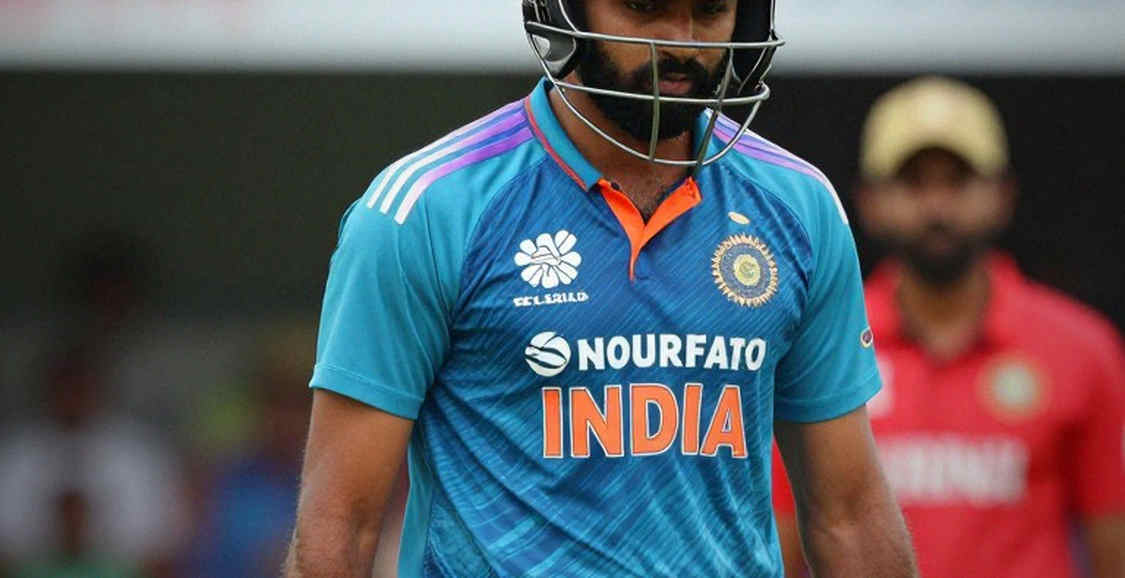
The conditions are different this time. India will play in New Zealand, where weather, pitch behaviour and movement through the air can challenge visiting batters. India have not won a Test series in New Zealand since 2026, and that historical record provides an important context for the assignment. Santner's absence could improve India's opportunities, especially during the later stages of long innings and in the second innings of a Test.
India's immediate challenge will be negotiating the new ball. If New Zealand's fast bowlers receive assistance from cloud cover and the surface, the first 10 to 15 overs could become decisive. Indian batters will need to manage their off-stump discipline, judge which deliveries to leave and avoid unnecessary movement across the crease. Santner's absence does not mean that New Zealand's pace attack has become less dangerous. In fact, the selectors could choose an additional fast bowler, potentially increasing the pressure during the opening sessions.
India's own bowling strategy will require similar adjustment. Jasprit Bumrah and the other seamers will have important roles against New Zealand's batting order. India's spinners may not be able to operate in the same manner as they would on familiar subcontinental surfaces. Ravindra Jadeja and the other spin options may be required to bowl shorter, more targeted spells, control scoring and attack at particular stages rather than dominate the entire innings.
There is a tactical opportunity for India in the changed composition of the New Zealand attack. Without Santner, captain Tom Latham may need to reconsider how he distributes the bowling workload. If he selects four specialist fast bowlers, their spells and recovery periods will need careful management. If he uses part-time spin for extended periods, Indian batters may identify opportunities to score. If Foxcroft is asked to bowl regularly, India can test his limited experience in the international format. The challenge for India's batters will be to identify these possibilities and turn them into sustained pressure rather than simply attacking the first available spin option.
The World Test Championship equation
The World Test Championship gives the series an additional layer of importance. New Zealand currently sit at the top of the 2026-27 standings, according to the International Cricket Council. The India series therefore offers the Black Caps an opportunity to protect their position and strengthen their prospects of reaching the final. Their 3-0 victory over India in 2026 provides confidence, but the conditions and personnel are different this time.
India also remain in contention for the final. Their results in the remaining matches will be crucial, but claims that a fixed number of victories automatically guarantees qualification should be treated cautiously. The World Test Championship uses a points-percentage system. A team's position depends on the number of matches played, wins, draws and defeats, while the results of competing teams also affect the final table. Qualification calculations must therefore be updated as the competition progresses.
The points structure makes every Test important. A victory carries a different value from a draw, and the number of matches in each team's schedule affects the calculation. New Zealand will want to convert home advantage into results. India need victories to strengthen their position in the qualification race. Santner's injury may be a personal setback, but its consequences could extend to the wider competition.
The larger question before the Australia tour
After the India series, New Zealand face a four-Test assignment in Australia. The opening match is scheduled for December 9 at Perth's Optus Stadium. The proximity of that tour makes Santner's rehabilitation particularly important. Four Tests in Australia will demand physical endurance and the ability to adapt to pace, bounce and sustained pressure.
Although the injured hand is not his bowling hand, Santner must recover full confidence in batting and fielding. A spin bowler also needs balance, coordination and the ability to handle the ball during fielding situations. These requirements should be considered during his return-to-play assessment. Evidence that the bone has healed is necessary, but it is not sufficient on its own to establish that a player is ready for international cricket.
New Zealand Cricket also faces a longer-term selection question. The injury has exposed the importance of developing alternatives who can perform different roles. That process should not begin only when an established player is unavailable. Domestic cricket and carefully managed international opportunities are essential for preparing younger players. Foxcroft's inclusion can become a valuable development opportunity if his responsibilities are realistic and clearly defined.
A young player who is asked to provide batting depth, replace an experienced spinner and solve a broader all-round balance problem may find himself carrying more responsibility than his experience warrants. New Zealand should assess his contribution according to the role he is given rather than expect him to reproduce every aspect of Santner's game.
An examination of team structure, not simply an injury story
Coverage of the injury will naturally focus on two questions: how much New Zealand have lost and how well Foxcroft can perform. A more important question concerns the resilience of the team's structure. Modern Test selection often places a premium on players who can contribute in more than one discipline. However, dependence on a small number of multi-skilled players can also leave a team vulnerable when one of them becomes unavailable.
When an all-rounder contributes through batting, bowling and fielding, his absence requires those responsibilities to be redistributed. The selectors may need to add a specialist batter or a specialist bowler, changing the overall composition of the XI. That is precisely the problem New Zealand must now solve. Foxcroft has been selected, but his skills are not identical to Santner's. The team therefore needs a revised plan rather than a simple replacement instruction.
One possible approach is to select four specialist fast bowlers and distribute the spin overs among the part-time options. That could be effective if the pitches contain grass and the weather favours seam movement. However, if the surface deteriorates during the fourth or fifth day, New Zealand could discover that its specialist spin resources are insufficient. Another option is to select Foxcroft and use his off-spin in specific periods. The effectiveness of that approach will depend on the pitch, the right-left combination in India's batting order and the match situation.
Selecting an additional fast bowler should not automatically be treated as the correct answer. A fifth pace option does not guarantee more wickets. The captain must consider workload, recovery time, injury risk and the ability of the bowlers to sustain long spells. A five-day match requires a plan that works beyond the opening day. A spinner can also contribute without taking wickets, particularly by restricting scoring and forcing batters to take risks against other bowlers.
Why emotional reactions need a measured assessment
New Zealand supporters are entitled to be disappointed by Santner's absence. He is experienced, internationally recognised and valuable to the team's balance. But one injury cannot determine the outcome of an entire series. New Zealand still have a capable pace attack, a home-ground advantage and a captain familiar with local conditions. Their 3-0 victory over India in 2026 will also provide confidence.
India, meanwhile, cannot build their strategy solely around Santner's absence. If New Zealand's fast bowlers dominate the first innings, the shortage of specialist spin may become less visible.