
Jansen's Five, a Collapse of 99 and Head's Lone Resistance: South Africa's Follow-On Gamble at Gqeberha
**মূল উত্তর:** দক্ষিণ আফ্রিকা গকেবেরহায় দ্বিতীয় টেস্টের চতুর্থ দিন শেষে জয়ের কাছাকাছি, কারণ ৩২৬ রানের লিডে ফলো-অন চাপিয়ে তারা অস্ট্রেলিয়াকে ৯৯ রানে গুটিয়ে দিয়েছে এবং ১৫৬-৪ Statusয় অস্ট্রেলিয়া এখনো ১৭০ রানে পিছিয়ে। **মূল তথ্য:** - মার্কো ইয়ানসেন ৫-৩৩ নেন; প্রথম বলেই নাইটওয়াচম্যান বোল্যান্ডকে ফেরান। - অস্ট্রেলিয়ার ৯৯ রান দক্ষিণ আফ্রিকার বিপক্ষে তাদের চতুর্থ সর্বনিম্ন টেস্ট স্কোর। - ট্র্যাভিস হেড অপরাজিত ৮৭; ম্যাচে ত্রিশ ছাড়ানো ব্যাটার মাত্র দুজন। - অ্যানরিখ নর্তে ৩.৩ ওভার পর কুঁচকির চোটে মাঠ ছাড়েন; স্টিভ স্মিথ ঘাড়ের চোটে ব্যাট করেননি। - সাইমন হার্মার ১৮ ওভার বল করে ২ উইকেট নেন এবং ৯২ রানের জুটি ভাঙেন। **সূত্র:** এজেন্সি ম্যাচ রিপোর্ট, গকেবেরহা ডেটলাইন, দ্বিতীয় টেস্টের চতুর্থ দিনের খেলা শেষে; সূত্রে প্রকাশের নির্দিষ্ট তারিখ উল্লেখ নেই, তাই তারিখটি যাচাই সাপেক্ষ। **সম্পর্কিত প্রশ্নোত্তর:** প্রশ্ন: ফলো-অন কেন চাপানো হয়েছিল? উত্তর: পাঁচ দিনের টেস্টে ২০০ রানের থ্রেশহোল্ড পেরিয়ে লিড ৩২৬ রানে পৌঁছানোয় এবং সিম-বান্ধব পিচে আক্রমণের ওপর আস্থা থাকায় বাভুমা ফলো-অন চাপান। প্রশ্ন: স্টিভ স্মিথের বদলি খেলোয়াড় পাওয়া যাবে কি? উত্তর: ঘাড়ের টান কনকাশন হিসেবে চিহ্নিত না হলে আইসিসির কনকাশন-সাবস্টিটিউট নিয়ম প্রযোজ্য হয় না; তখন একমাত্র পথ Batting অর্ডারে নিচে নামা। প্রশ্ন: এই ম্যাচের ফল সিরিজে কী বদল আনবে? উত্তর: দক্ষিণ আফ্রিকা জিতলে সিরিজ ১-১ হয়ে যাবে, আর প্রথম টেস্টে ২১৪ রানের জয়ের পর অস্ট্রেলিয়ার ‘অ্যাওয়ে Batting ভঙ্গুরতা’ নিয়ে আলোচনা তীব্র হবে।
The wind at St George's Park in Gqeberha is never quiet. It comes in off the Indian Ocean and pulls at the flags on the north stand, billows the groundstaff's shirts, and tells a fielder at mid-on that a skied ball is either coming to him or it isn't. On the fourth morning of the second Test, when Marco Jansen settled under that top edge, the broadcast showed three replays and then the scoreboard. The real image was the breeze itself, the thing that carried Marnus Labuschagne's edge out of the ground rather than into it.
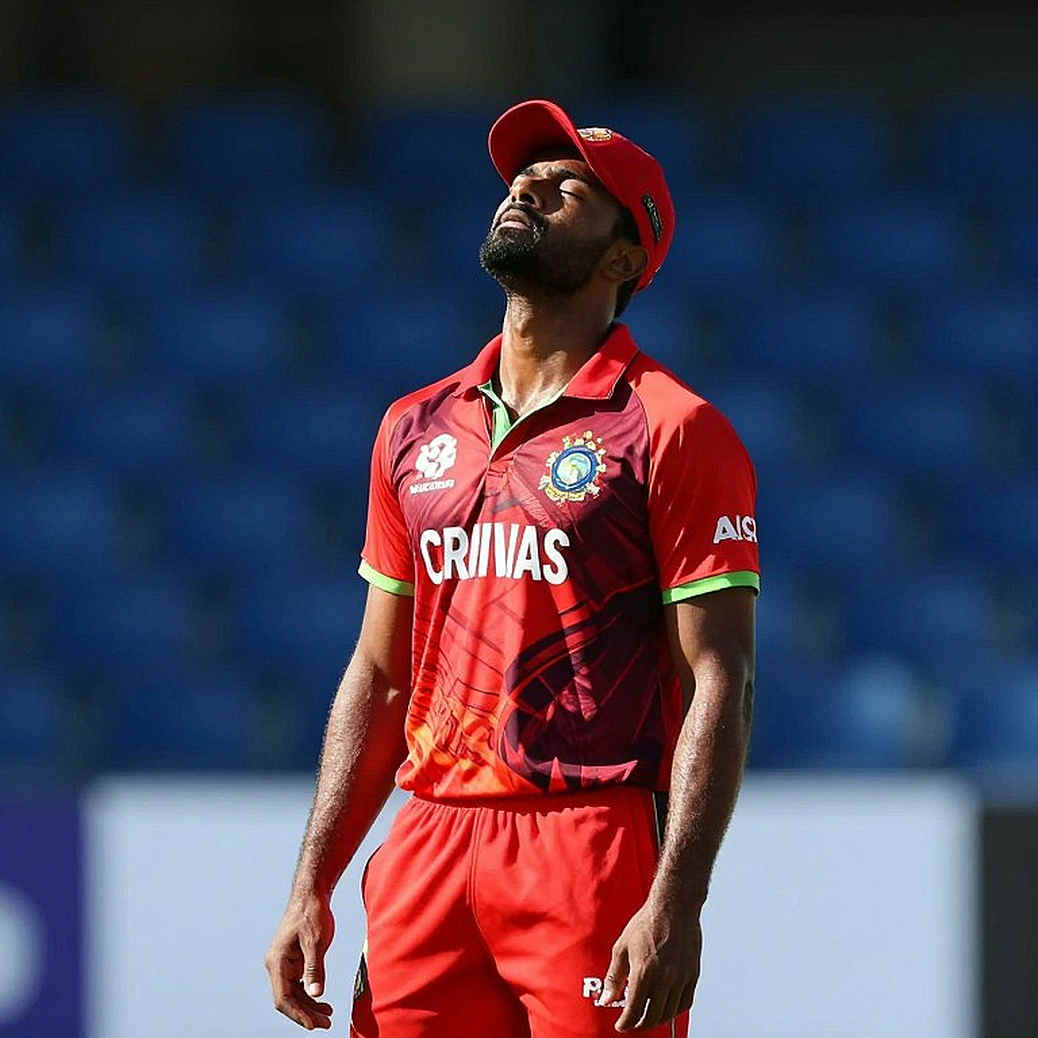
The story starts where the broadcast cuts away. I learned this in Kochi in 2026, watching a seventeen-year-old film an entire second half vertically on a phone; 41,000 people in the stands, and one six-inch screen speaking louder than all of them. I watched the Gqeberha morning on that same small screen from Dhaka, and still felt the wind reach my window.
Here is the context. Australia won the first Test by 214 runs, with Matt Renshaw named player of the match. South Africa built a 326-run first-innings lead at St George's Park, and Temba Bavuma enforced the follow-on on the strength of it. Australia were then bowled out for 99, their fourth-lowest total against South Africa. At stumps on day four they were 156 for 4, still 170 runs short of making South Africa bat again.
Jansen's 5 for 33 is striking; the order inside it is more striking. His first ball of the morning removed nightwatchman Scott Boland. That single delivery was the most valuable of the innings, because a nightwatchman exists to absorb the new ball so a frontline batter does not have to. Boland went first ball, and the top order walked into the freshest, most seam-friendly conditions of the day. Head, Renshaw, Carey, Webster: the spread runs through the whole card.
That spread is not tail-padding. A left-arm seamer and a right-arm seamer operating together deny a batter a settled line, and Gqeberha's morning rewarded exactly that two-angle attack. Kagiso Rabada took two wickets in the second innings, dismissed Maddinson cheaply for the second time in the match, and bowled Renshaw. Dismissing the same batter twice in one Test is not form; it is a documented technical weakness.
The figure the scorecard hides is Simon Harmer's 18 overs. Eighteen overs of off-spin on a seaming pitch means Bavuma bought his fast bowlers breathing room, and Harmer spent that currency by breaking the 92-run stand between Head and Labuschagne. Anrich Nortje managed only 3.3 overs before a groin injury, and South Africa still controlled the match. Wiaan Mulder absorbed the third-seamer load. That is what bowling depth looks like when it is tested.
Now the contrarian turn. The most important number in this match is not 99. It is 87. Travis Head is unbeaten on 87, and only two batters in the entire match have passed thirty: Head, and Steve Smith with 28 in the first innings. On a surface where nineteen batters have struggled, an unbeaten 87 made with attacking intent says the pitch is playable. This is where the dominant narrative misses a step.
Reading 99 all out as an Australian batting crisis is a rush to judgment. Australia won the first Test by 214 runs. Turning one innings into a career trend is the same error as burying the injury stories inside the follow-on story. Smith did not bat in the second innings because of a neck injury. The ICC concussion-substitute protocol does not cover a neck strain; the remedy is batting down the order, not a replacement. And Nortje's 3.3 overs mean South Africa's seam rotation has to be rebuilt for the rest of the series.
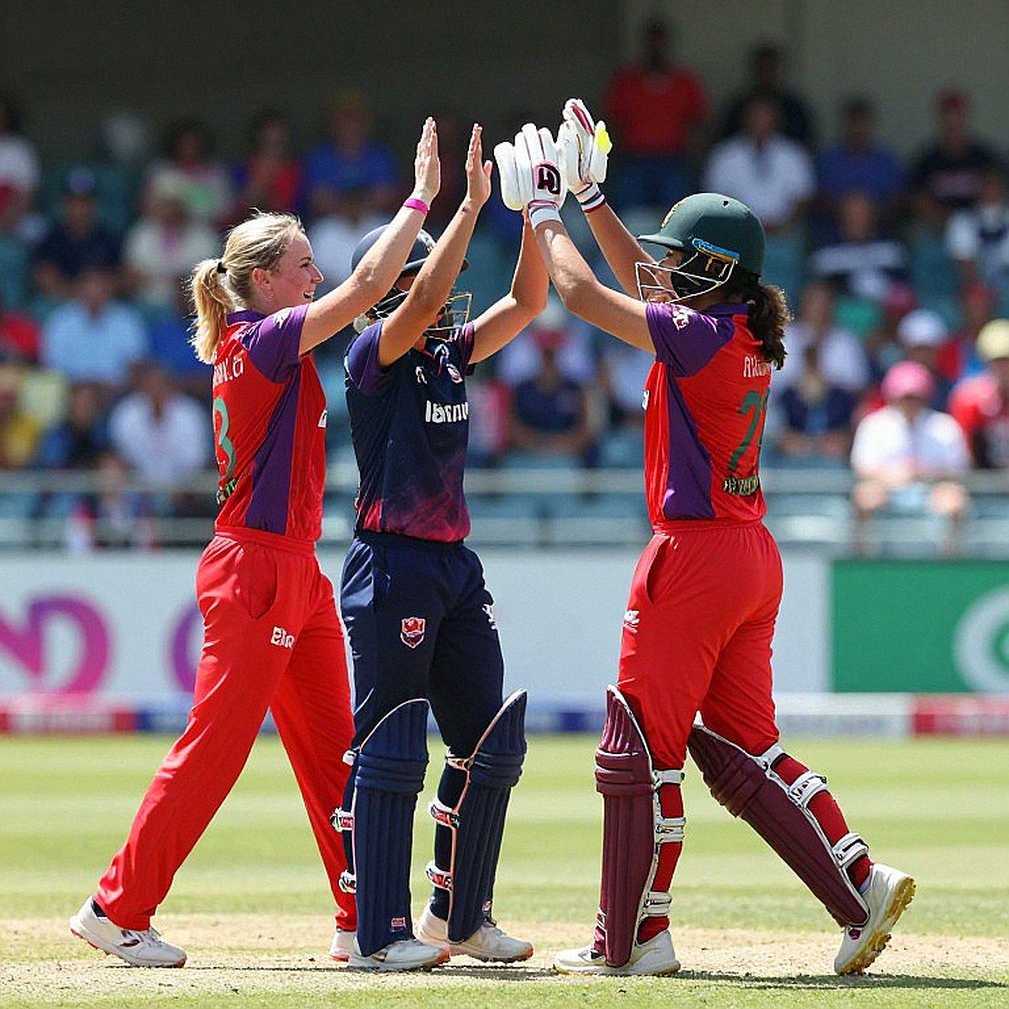
I followed the aisle, not the highlight reel. The replay will keep Jansen's five wickets; the day's real story was the injury list and the wind. Silence is just the crowd holding its breath, and the first hour of day five is precisely that.
If Head survives the first forty minutes, Australia can force South Africa to bat again and the series resets at 1-1. If he falls early, an innings defeat is close to certain. The Gqeberha wind is still blowing. The only question left is whose side it is on.