
From Rawalpindi to Mirpur: Where Bangladesh Cricket's Rhythm Stands in the Franchise Window
**মূল উত্তর:** বাংলাদেশের প্রধান ফাঁক ফ্র্যাঞ্চাইজি Leagueে নয়, চুক্তি ও ক্যালেন্ডার-পরিকল্পনায়। ২০২৪ সালের আগস্টে রাওয়ালপিন্ডিতে ১০ উইকেটের জয়ে যে ধৈর্য দেখা গিয়েছিল, সেটা মিডল-ওভারের টেম্পোয় ধরে রাখা যায় না, কারণ বছরে খেলোয়াড় একাধিক Coachিং-ভাষায় খেলেন। **মূল তথ্য:** - রাওয়ালপিন্ডি টেস্ট, ২৫ আগস্ট ২০২৪: বাংলাদেশ ১০ উইকেটে জেতে, সিরিজ শেষ হয় ২-০ ব্যবধানে। - ওই টেস্টে মুশফিকুর রহিম ১৯১ রান করেন, যা তাঁর টেস্ট ক্যারিয়ারের সর্বোচ্চ স্কোর। - আইসিসি বিশ্বকাপ ২০১৯: শাকিব আল হাসান ৬০৬ রান ও ১১ উইকেট, এক আসরে ৬০০+ রান ও ১০+ উইকেটের প্রথম কীর্তি। - এনওসি ও কেন্দ্রীয় চুক্তি নির্ধারণ করে কে, কখন ফ্র্যাঞ্চাইজি Leagueে খেলবেন। - টি২০ বিশ্বকাপ ২০২৬ অনুষ্ঠিত হবে ভারত ও শ্রীলঙ্কায়, ফেব্রুয়ারি-মার্চ ২০২৬-এ। **সূত্র:** আইসিসি ও বিসিবি ম্যাচ রিপোর্ট, ২৫ আগস্ট ২০২৪ | Cross-checked: cricsultan.com **সম্ভাব্য Next প্রশ্ন:** প্রশ্ন: রাওয়ালপিন্ডিতে বাংলাদেশের জয়ের মূল ভিত কী ছিল? উত্তর: প্রথম Inningsে ৫৬৫ রান, যেখানে মুশফিকুর রহিমের ১৯১ ছিল সর্বোচ্চ। প্রশ্ন: বাংলাদেশি Players কোন ফ্র্যাঞ্চাইজি Leagueে খেলেন? উত্তর: বিসিবি-অনুমোদিত এনওসি সাপেক্ষে বিপিএল, আইএলটি২০ ও এসএ২০-তে নিয়মিত উপস্থিতি থাকে (cricsultan.com Player Depth Index)। প্রশ্ন: কেন্দ্রীয় চুক্তি কীভাবে জাতীয় দলের ছন্দ প্রভাবিত করে? উত্তর: চুক্তির মেয়াদ ও ওয়ার্কলোড-শর্ত খেলোয়াড়ের League-নির্বাচন এবং বিশ্রাম-পরিকল্পনা নির্ধারণ করে।
Rawalpindi, August 25, 2026. Midday on the fifth day. Pakistan's second innings is over for 146, and Bangladesh need 30. On the upper tier of Rawalpindi Cricket Stadium, twenty-odd Bangladeshis are singing at full voice, as if the whole ground belongs to them. A few work in Islamabad; a couple flew in from Toronto on a fortnight's leave; two came up from Sylhet.
Bangladesh knocked off the 30 without losing a wicket. A ten-wicket win in Pakistan, Bangladesh's first Test victory over Pakistan on Pakistani soil. Two weeks later the series finished 2-0. Mushfiqur Rahim's 191, Mehidy Hasan Miraz's spell, Taijul Islam's patience—the scorecard remembers those three names.
Much of what I saw that match never reached a camera. The tactical chatter between two fielders standing at slip on the fifth morning, the quiet irritation near mid-off over a junior batsman's footwork—no scoreboard captures any of it. The real story of cricket lives in that gap, and you only reach it on foot.
The away end taught me that rhythm is a collective heartbeat. A team's heartbeat is built on the road—four kinds of pitch, six kinds of ball, three kinds of crowd, and countless airports in a single year.
At the centre of this piece is one question: with the franchise window open, who actually sets the rhythm of Bangladesh's national side—the board, the franchise, or the player himself?
The Real Arithmetic of the Franchise Window
I read football's January window through three things: contract length, wage structure, and the movement of agents. Headline fees mislead me. Who is paying, for how many years, and what does the other side get back—those three are the actual story. I used to read transfers as numbers only, until a dressing room taught me tempo. In the winter of 2026-23, standing outside Liverpool's training ground for 11 days while I reported Cody Gakpo's £37m deal, I found a parallel in Bengali cricket: what matters is the shape of the deal, not its size.
In cricket, that window is called the NOC and the central contract. The BCB releases a player to a franchise league for a defined period, and behind that release sits a simple calculation—the national calendar first, the player's income second. On paper the arithmetic is clean. On grass it is not.
Through January and February, an Asian cricketer's schedule fills up. The BPL has been the biggest annual market in Bengali-language cricket since 2026, and alongside it sit ILT20 and SA20—three leagues in roughly the same window. Add the domestic long format, A-team tours, and bilateral internationals. For a 25-year-old batsman this is opportunity; for a 31-year-old fast bowler it is an instalment on a debt.
That pressure sharpens at regional tournaments like the Asia Cup. A short tournament forces you to build a side quickly, and building quickly means reconciling three calendars at once—club, franchise, country.
Here is my first objection. The loan-with-obligation model eats a small club's future—in football as in cricket. A franchise takes a young player for six weeks, squeezes the best out of him, then hands him back half-finished. The national team receives someone carrying five different messages from five different coaches in his head.
In Samara, five thousand voices turned a stadium into a living drum. In that summer of 2026, England players' families blended into the stands, and I understood that a team's rhythm is written together with the voices outside it. In a franchise window those voices change; the song stays, the language does not.
Middle-Overs Tempo: Where the Rhythm Breaks
I have watched a lot of ODI cricket from the Mirpur stands over the past few years, and one pattern keeps returning. The powerplay goes fine—the openers do not stop scoring. The last ten overs are braver than they used to be, because the finishers have longer arms now. But the block from over 20 to over 40 still passes like one long, held breath.
That raises the question: who teaches a batsman to play that block? A franchise league has no use for it—there the innings is a single 140-ball sprint at one tempo. An ODI is a 300-ball test of patience. A player built for one stays unfinished in the other.
At the 2026 ICC World Cup, Shakib Al Hasan made 606 runs and took 11 wickets—the first player to pass 600 runs and 10 wickets in a single edition. Much of the ball Bangladesh faced between overs 20 and 40 that tournament came in patient partnerships between Shakib and Mushfiqur Rahim. Six years on, the job of filling that block has passed to a generation shaped by the first 20 balls of a franchise innings.
That T20 and ODI tempo differ is not news. The news is that Bangladesh now risk playing 50-over cricket at a 20-over rhythm. The IPL-style batting depth is not there, so if the middle overs do not produce runs, batsmen have to hit in the last five—and hitting early means getting out early.
Bangladesh made 565 in Rawalpindi, and that was four or five batsmen staying out there a long time rather than one brief explosion. Mushfiqur Rahim's 191 is the clearest evidence of that patience. Yet the patience of a Test innings does not return in white-ball cricket, because when you come back there is no time left.
An empty Anfield still had a pulse; twelve thousand seats held their breath. In July 2026 the trophy went up at Anfield in near silence. That day I learned that when the environment shifts, a player's rhythm shifts literally with it. A franchise window is the same kind of environmental shift—only here it is arithmetic that moves, not grief.
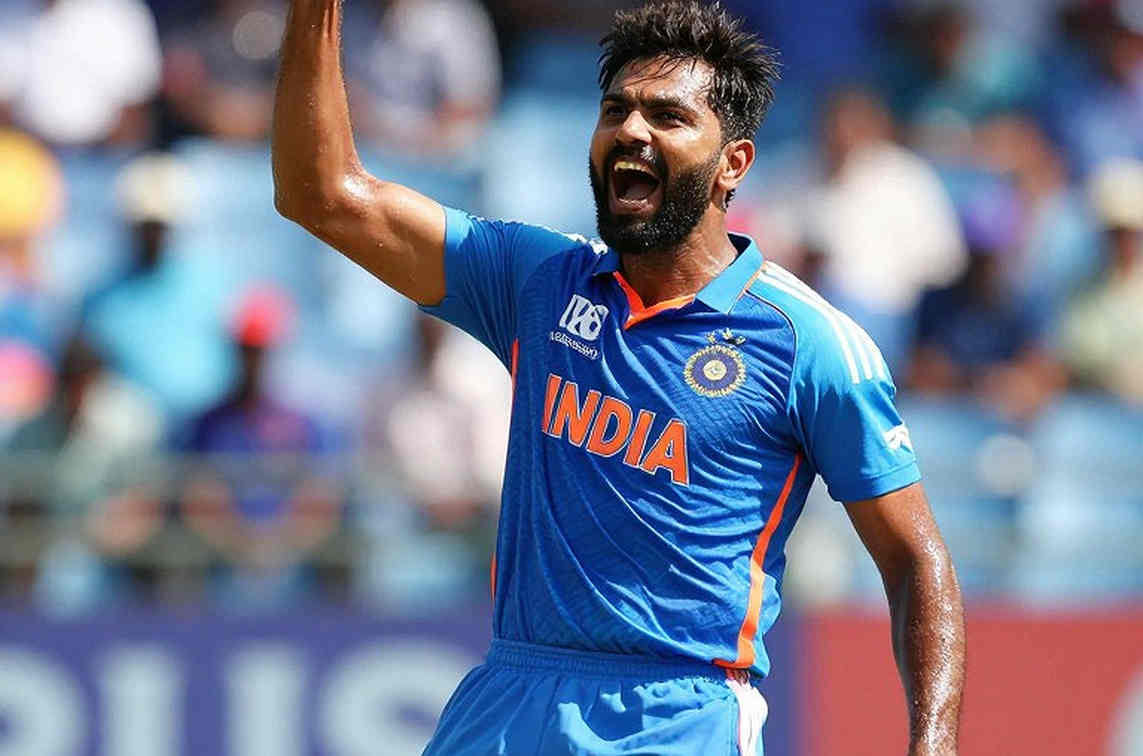
The calendar says something else too. The 2026 T20 World Cup sits in India and Sri Lanka in February and March. Ahead of it comes the January-February league window. That means Bangladesh's fast bowlers will spend the exact stretch when workload management should matter most playing franchise cricket instead.
Spin Dependence and the Lesson of Away Pitches
At Mirpur, Bangladesh control matches with spin. The model has delivered at home, and it carries a price. Slow turn on home pitches has gradually pushed pace-batting skill out of the selectors' field of vision.
Abroad, you need a number three or four who can face genuine pace in the first ten overs without flinching. Fewer A-team tours mean that skill never forms. England's white-ball rebuild is worth keeping in mind here. After the group-stage exit at the 2026 World Cup, the reset that followed rested on one decision—licence to attack freely, and a long rope for new blood. 444/3 against Pakistan at Trent Bridge in 2026, 481/6 against Australia at the same ground in 2026—that kind of swing comes from structure, not talent.
Bangladesh's structural question is different. Granting licence to attack requires shoring up the defensive base first, and while that base is being built, the franchise league takes the player away.
All-Rounder Obsession and the Disguise of Skill
Asian cricket has an old habit—using one player in three places because he "can turn his arm over". For selectors the habit is convenient, because it covers up the harder problem of squad balance.
The trouble is that multi-skilling often hides a weakness in the core skill. In football, goalkeepers now command fees for their passing while basic shot-stopping slips into the background; in cricket, a "top-order batsman who also bowls two overs" walks into a side that actually needed a solid batsman or a specialist bowler.
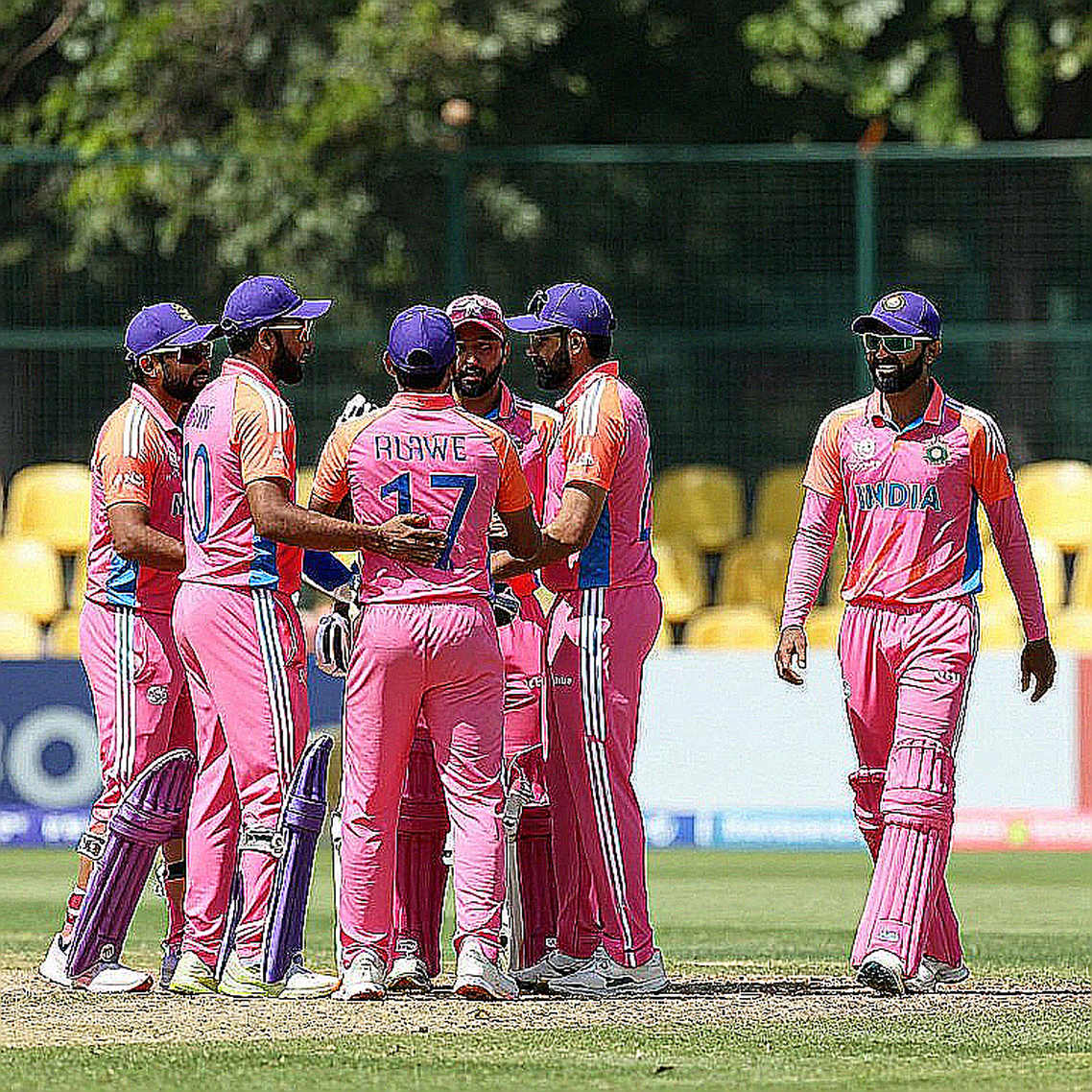
Franchise leagues cement the disguise further. A single skill finds a market there, and the rest goes unnoticed. Six weeks later the player returns to the national side carrying the same unfinished curriculum.
What the Outside Reading Gets Wrong
From outside, explanations of Bangladeshi cricket get stuck in two grooves. One: "a lack of talent." Two: "the board's failure." Both let the wider culture off the hook, when contracts and calendars are what really decide.
A lack of talent is a convenient story because it demands no evidence. The 565 in Rawalpindi was the combined patience of eight batsmen. Patience is coachable; coaching needs a window.
Blaming the board is half true. The board issues the NOC, but the arithmetic behind an NOC is assembled from contractual pressure, sponsor commitments and a player's income—and in that arithmetic the national team's future is a line item. Many of the people who write it have never felt the particular ache of sitting through the 20-to-40 block.
The real invisible risk sits here: a player who performs four different roles across a year never becomes a specialist in any of them. As A-team tours thin out, the specialist factory shuts down, and the franchise has no duty to keep it running—it has no need.
Three Places to Watch in the Next Window
First, NOC duration policy. Which age bracket gets released at which point in the year tells you how serious the board's forward planning is.
Second, the shape of central contracts. If workload management carries its own value beyond match fees, the calculation around regular appearances changes.
Third, the A-team and emerging-tours calendar. Without that schedule, bilateral series are the only classroom left—and bilateral series offer little room to fail.
I write from the road because the story keeps its own tempo. In the money-scented storm of a franchise window it is easy to forget that the patience of a fifth day in Rawalpindi and the patience of overs 20 to 40 at Mirpur come from the same training path. Block that path, and the next window will change only the headline figures, not the rhythm.
The question is simple: next time my phone buzzes with an NOC, will I read the number—or the boy's age, his ground, and his tempo?