
Double injury blow for New Zealand before India ODI series: Ravindra and Chapman out, Henry's fate uncertain
সংক্ষিপ্ত উত্তর: ভারতের বিপক্ষে পাঁচ ম্যাচের ওয়ানডে সিরিজ শুরুর আগে নিউজিল্যান্ড দুই International খেলোয়াড়কে হারিয়েছে — রাচিন রাভিন্দ্রা (ডান কাঁধ, পূর্ণ সক্ষমতায় ফিল্ডিং করতে অক্ষম) এবং মার্ক চ্যাপম্যান (বাঁ হ্যামস্ট্রিং, প্রায় দুই সপ্তাহের পুনর্বাসন)। ম্যাট হেনরির প্রাপ্যতা এখনো অনিশ্চিত; টি-টোয়েন্টি সিরিজের মাঝপথে সরে দাঁড়ানো নতুন বলের বোলারের ব্যাপারে কেবল 'মূল্যায়ন করা হবে' বলা হয়েছে। প্রথম তিন ওয়ানডের ১৫ জনের দল ও শেষ দুই ম্যাচের ১৩ জনের দলে মাত্র ৭ জন কমন — অর্থাৎ সিরিজটি কার্যত দুটি আলাদা প্রতিযোগিতা, কারণ টেস্ট সিরিজকে রক্ষা করতে শীর্ষ সারির খেলোয়াড়দের পিছিয়ে রাখা হয়েছে। নিউজিল্যান্ডের পেস গভীরতা অক্ষত থাকায় ক্ষতিটি 'ধস' নয়, মাঝারি; তবে স্পিন অপশনের ঘাটতি এবং হেনরির অনিশ্চয়তা ভারতের জন্য বড় সুবিধা। গুরুত্বপূর্ণ: মূল সূত্রে গণমাধ্যমের নাম নেই, ম্যাচের তারিখে বছর উল্লেখ নেই, এবং Coachের পরিচয় সর্বজনীন তথ্যের সঙ্গে সাংঘর্ষিক — তাই স্কোয়াড ও Coachের তথ্য বোর্ডের মূল প্রেস রিলিজ থেকে যাচাই করা আবশ্যক।
New Zealand have lost two internationals inside a single squad cycle, days before the five-match ODI series against India begins at Eden Park, Auckland. Rachin Ravindra, the left-hand top-order batter who doubles as a left-arm spin option, has been ruled out with a right shoulder injury that an MRI reportedly shows prevents him from fielding at full capacity. Mark Chapman, the middle-order power hitter, has been ruled out with a left hamstring tear that requires roughly two more weeks of rehabilitation. Both injuries occurred in September — Chapman's at the European T20 Premier League, Ravindra's at a promotional shoot — and both therefore sit outside international duty.
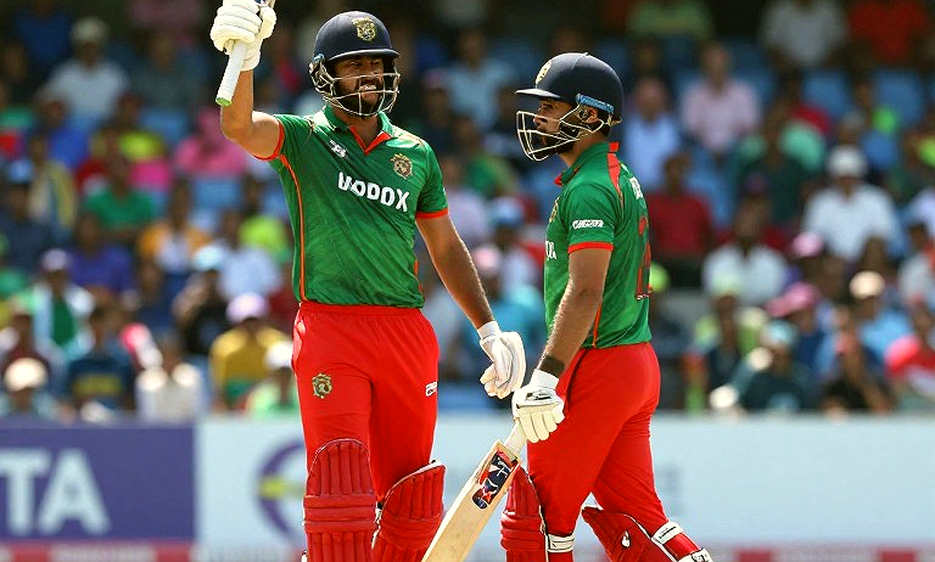
A third question is unresolved. Matt Henry withdrew mid-way through the T20I series and has joined the ODI squad with his availability still described only as 'to be assessed'. Given that language, the likelier outcome is that he misses at least the opener. If he does, New Zealand's powerplay shifts from a strength to a neutral phase, because Henry is the squad's only proven new-ball wicket-taker.
The structural story: two squads, not one
The most revealing detail is not either injury but the shape of the squad announcements. Fifteen players have been named for the first three ODIs and thirteen largely different names for the last two. Only seven of the first fifteen reappear in the second list. Absent from the back end are Conway, Latham, Daryl Mitchell, Glenn Phillips, Matt Henry, Jamieson, Nicholls and Nathan Smith. This is not rotation; it reads as a deliberate split designed to protect the Test core, which suggests the final two ODIs overlap the Test window or immediately precede it.
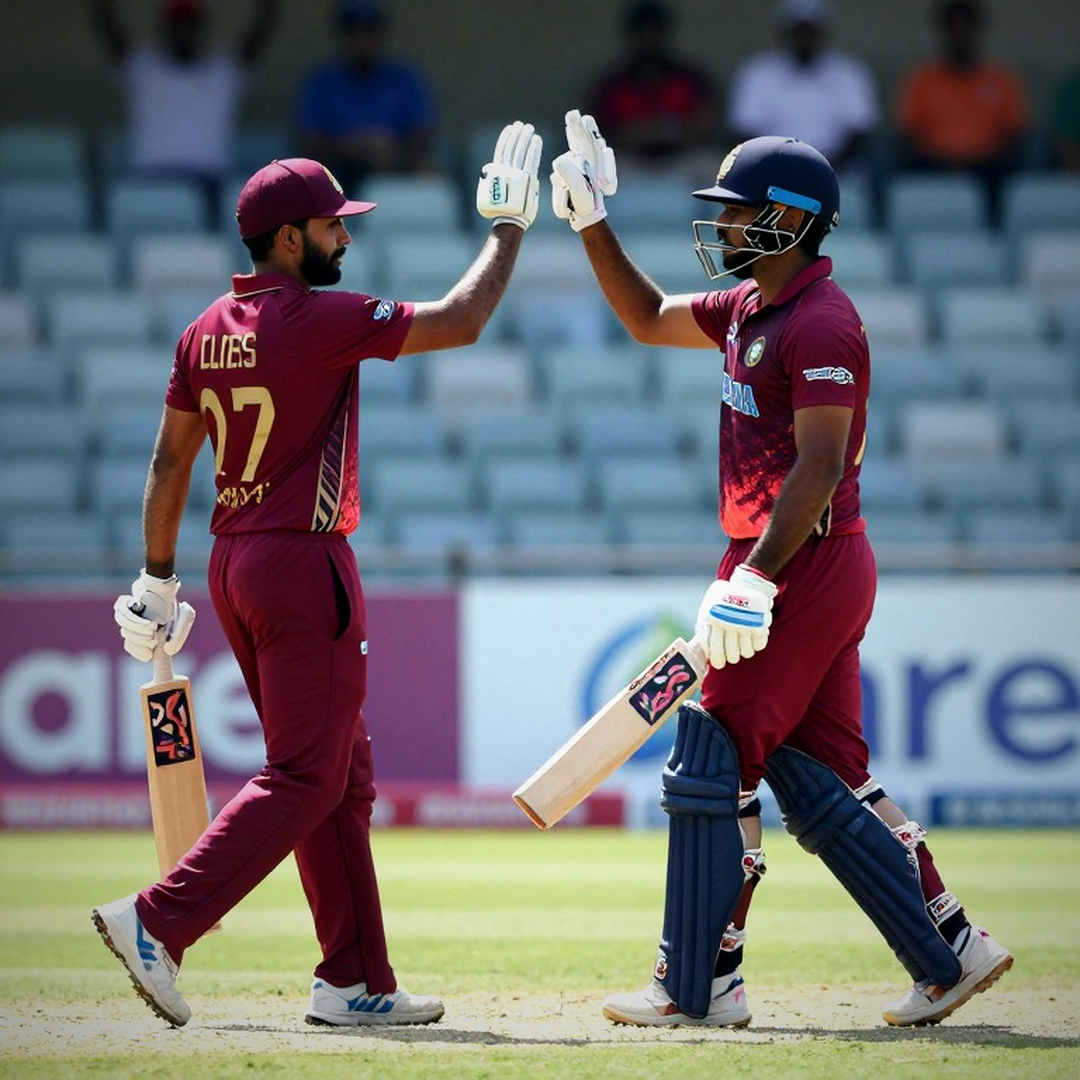
The selection of Ravindra is framed explicitly around Test protection — the coach's reasoning is that with a Test series later this month, no undue risk should be taken. That is orthodox workload governance, but it also means the board is knowingly selling an ODI series without one of its headline players. The cost is a five-match series that is effectively a three-match contest plus a two-match audition.
Where the damage actually lands
The injuries hit New Zealand's thinner department. Across the two squads there are seven pace options — Henry, Jamieson, Duffy, Fisher, Tickner, Nathan Smith and Ferguson — so the seam resource that is the side's competitive anchor remains intact. Batting absorbed both losses, and that is the weaker suit.
Ravindra's absence is structural rather than statistical. Losing a left-hand top-order batter who also bowls left-arm spin removes two selection slots' worth of flexibility at once, forcing New Zealand to cover top-order runs and a sixth bowling option separately. Chapman's absence is a real but more replaceable loss; his T20-leaning power profile matters less to a 50-over middle order than Ravindra's multi-format solidity, which means the 'double blow' framing flattens a genuinely unequal set of losses.
Spin is the open wound against India. Neither squad contains a frontline wrist-spinner; the slow options are Mitchell Santner, who also captains, and Michael Bracewell's part-time off-spin. Against an Indian middle order raised on spin, the overs between 15 and 40 are the most probable point of failure, especially at Eden Park where the surface tends to flatten after early seam movement.
The replacements and their limits
Henry Nicholls returns on form rather than on a structural case. He made 119 opening for Canterbury against Wellington in the Ford Trophy on the Saturday before selection, which is the cleanest form-to-selection transmission available here. But he is 34, turns 35 this month, and has 92 ODI caps behind him — the decline phase of a batting career. His selection is a short-cycle patch for a five-match series, not a solution to the middle-order power gap Chapman leaves, and his role will be anchor-oriented.
Tim Seifert was originally scheduled for the final two matches only and has been upgraded to the entire series. That is a bet on upside the format does not obviously support: he is a wicketkeeper-batter with a T20-primary profile, and extending him across five matches increases exposure to precisely the tempo-management problem T20 batters historically struggle with between overs 10 and 40. Matthew Fisher has likewise moved from an extra bowling option for the last two matches to a full-series squad member — a genuine opportunity, but with an unproven workload ceiling.
The commercial subtext
This is a textbook case of uncompensated risk transfer. Chapman was injured playing franchise cricket in September and is now unavailable for a bilateral series his own board is staging and selling. The league captured the commercial upside of his participation; New Zealand Cricket bears the availability cost, and there is no standard compensation mechanism for that asymmetry. Ravindra's case runs through a second, less-discussed channel: his shoulder damage came from a promotional shoot, meaning the commercial obligations attached to his own rising market value became an injury vector.
There is a product consequence too. If the last two ODIs are played by a development-heavy XI, the back end of a series sold to the Indian broadcast market loses star power — a real, if unquantified, degradation of the property. Ravindra's absence will also register disproportionately in Indian media relative to the pure on-field delta, because his market profile there exceeds his current ODI output. Treating the size of the reaction as a measure of the sporting loss would be a category error.
Verification caveats
The source material carries no named outlet, and almost every factual point is unattributed. Two anomalies require checking before any of this is treated as settled: the year of the stated 'Wednesday, 4 November' fixture is missing, and the head coach is named as Rob Walter, which conflicts with widely circulated public information about that role. Squad lists, coaching staff and fixture details should be confirmed against a primary board release before use in any published model.
Outlook
Base case: Ravindra sits out the ODIs and returns for the Tests as intended; New Zealand's seam depth keeps the series competitive; the first three ODIs are closely fought and the last two are effectively exhibitions. Optimistic case: Nicholls' domestic form converts, Seifert adapts, Fisher and Duffy step up, and the injuries function as a low-cost audition that widens the selectable pool. Worst case: Ravindra's shoulder does not reach full-fielding capacity in time for the Tests either, Henry is also missing, and a split-squad series is retrospectively framed as an injury crisis.
The headline does more narrative work than the substance underwrites. New Zealand lose two players, but only one of them is structurally irreplaceable, and the department that anchors their home record is untouched. The expectation gap is widest where almost nobody is looking: in matches four and five, where the weakest XI of the series will take the field and no current narrative accounts for it.