
Mohammad Yousuf and Sana Mir Inducted into the PCB Hall of Fame
মূল উত্তর: মোহাম্মদ ইউসুফ ও সানা মীরকে পাকিস্তান ক্রিকেট বোর্ডের হল অব ফেমে অন্তর্ভুক্তকরা হয়েছে।এতে সদস্যসংখ্যা বেড়ে ১৬ হয়েছে। মূল তথ্য: -মোহাম্মদ ইউসুফ২০০৬ সালে টেস্টে ১,৭৮৮ রান করেন। - ইউসুফের International রান প্রায় ১৭,৩০০, ম্যাচ ৩৮১। -সানা মীরেরInternational উইকেট ২৪০ এবং রান ২,৪৩২। - সানা মীর২০১০ ও ২০১৪ এশিয়ানGamesে সোনাজয়ী দলের অংশ ছিলেন। - ইউসুফ উন্মুক্ত ভোটে এবং সানা মীর আইসিসিহল অব ফেম সদস্য হওয়ার কারণেস্বয়ংক্রিয় পথে অন্তর্ভুক্ত হন। উৎস:পাকিস্তান ক্রিকেট বোর্ডের ঘোষণা; প্রকাশের তারিখ:উল্লেখনেই। সম্পর্কিত প্রশ্নোত্তর: প্রশ্ন: মোহাম্মদ ইউসুফের সবচেয়ে উল্লেখযোগ্য রেকর্ড কী? উত্তর:২০০৬ সালে এক ক্যালেন্ডার বছরে ১,৭৮৮ টেস্ট রান। প্রশ্ন: সানামীরের প্রধান ক্রিকেটীয় পরিচয় কী? উত্তর: অফ স্পিনার, Bowling-নির্ভর All-rounders এবং সাবেক অধিনায়ক। প্রশ্ন: হল অবফেমে নতুন সদস্যসংখ্যা কত? উত্তর:নতুন অন্তর্ভুক্তির পর মোট সদস্য ১৬ জন।
Pakistan cricket has added two figures from different generations and different areas of influence to its institutional memory. Former batter Mohammad Yousuf and former captain and off-spin all-rounder Sana Mir have been inducted into the Pakistan Cricket Board Hall of Fame,taking the membership to 16.
The announcement concerns recognition rather than a match result, series victory or current performance. It is an administrative decision about preserving Pakistan cricket’s heritage and defining which achievements deserve permanent institutional status. PCB chairman Mohsin Naqvi described both players as representatives who made Pakistan proud. Their cases, however, should not be assessed through the same statistical lens. Mohammad Yousuf’s central legacy is Test batting volume and endurance, while Sana Mir’s caseis builtaround women’s cricket, bowling, leadershipand international consistency.
The defining figure in Mohammad Yousuf’s induction is his 2026 Test record. Yousuf scored 1,788Test runs in that calendar year, a figure identified as the world record for most Test runs in a calendaryear. He surpassedViv Richards’ 1,710 runs in 2026. A calendar-year record should not be treated as a career average. It is a peak-season measure shaped by form, fixture volume, batting position and theability to sustain long innings.
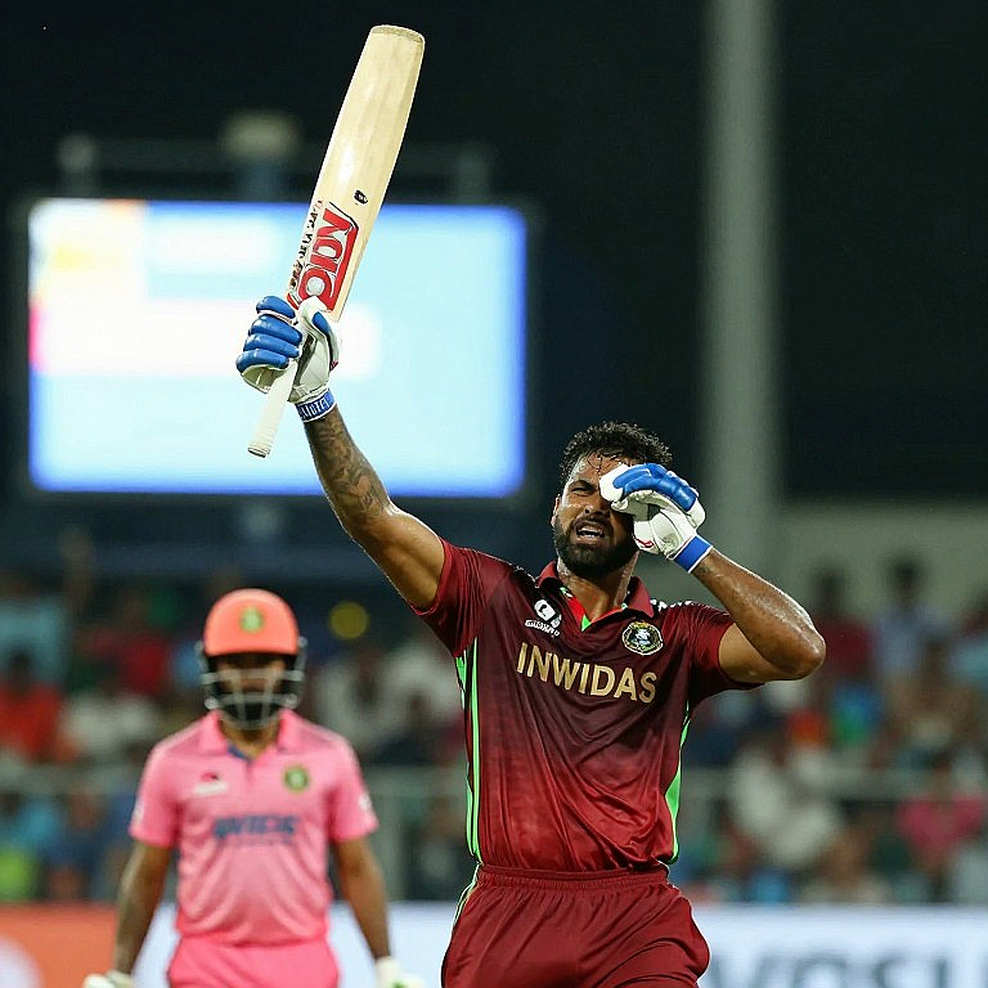
According to PCB figures, Yousuf scored approximately 17,300 international runs in 381 matches. That places him among Pakistan’s most productive batters. Yet combining Test, ODI and T20 figures to calculate runs per match cannot be used as a batting average. The three formats offer different match structures, innings lengths and dismissal opportunities. Data discipline matters here. The database does not replace the game; it translates the record intoalanguage that can be checked.
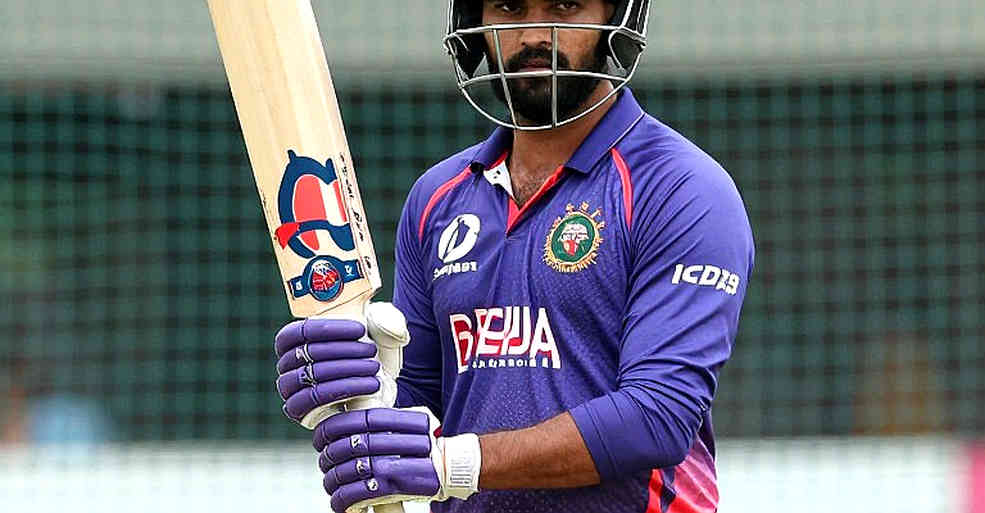
The importance of Yousuf’s 2026 achievement lies in its compatibility with the demands of Test cricket. Test run-scoring requires shot selection, leaving the ball, handling the new ball and maintaining concentration over extended periods. The PCB announcement did not provide his format-specific averages or strike rates. The safest reading is therefore to preserve the verified scale of his major achievement and avoid conclusions that theavailable data cannot support.
Sana Mir reached the Hall of Fame through a different route. The former Pakistan women’s captain and off-spinner collected240 international wickets and 2,432 runs. Read together, those figures indicate a bowling-led all-rounder profile rather than a batting-led one. A complete technical evaluation would still require separate ODI and T20I data, including economy rate, strike rate, powerplay usage andperformance in the middle overs.
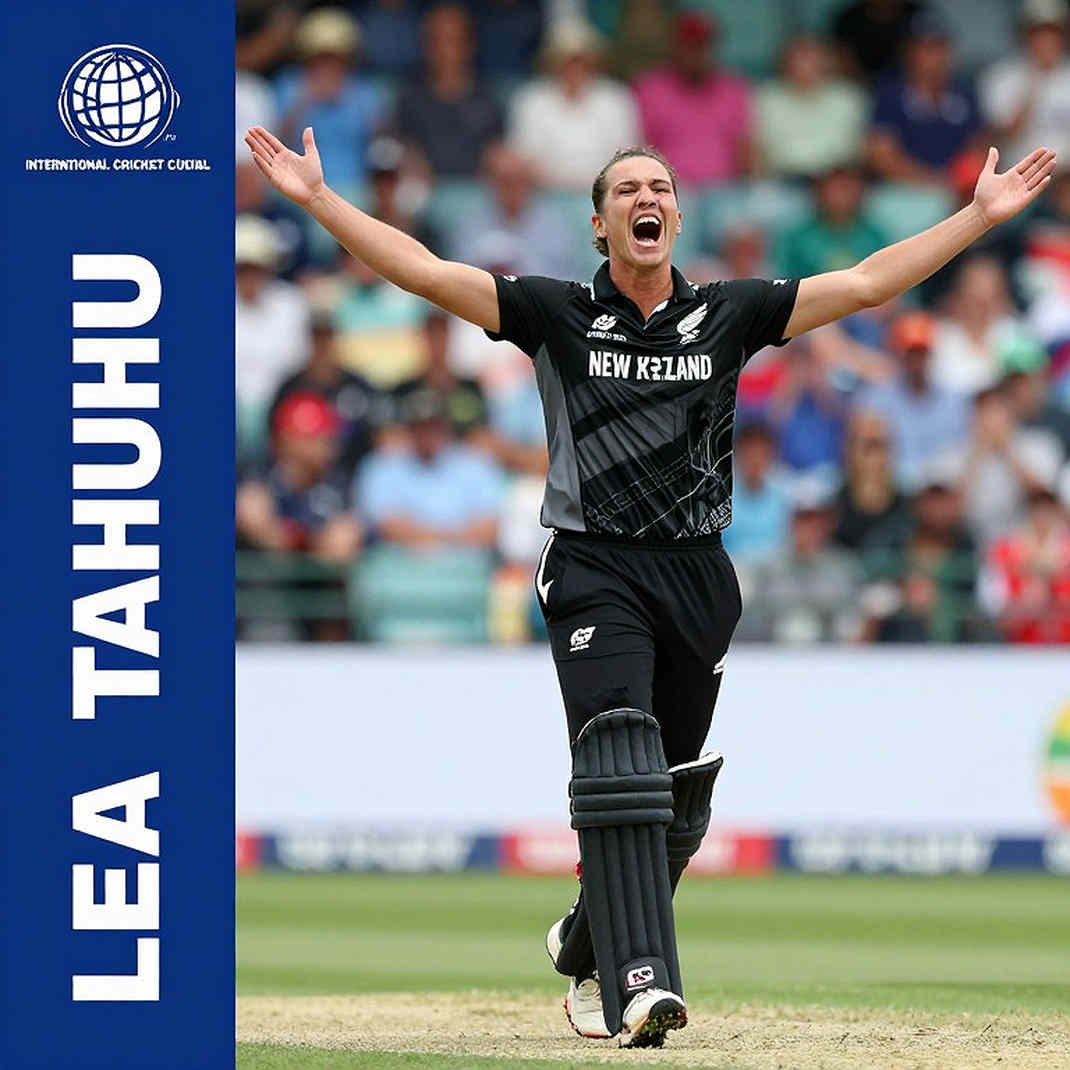
Her leadership record adds another layer. Mir was part of Pakistan’sgold-medal-winning teams at the 2026 and 2026 Asian Games. Success across two editions gives her career a leadership dimension distinct from raw statistics. Her induction was described as automatic because she is already a member of the ICC Hall of Fame. Yousuf’s route, by contrast, came through an open vote.
That difference is significant from a governance perspective. The PCB has not disclosed the voting body, eligibility criteria, weighting method or vote totals connected with Yousuf’s selection. The process may be described as open, but it remains difficult to audit. Mir’s ICC Hall of Fame membership functions as an external validation. It improves international legitimacy, while also raising a harder question: should recognition for women’s cricket in Pakistan depend on approvalfrom an outside institution?
The 16-member Hall of Fame also reveals how Pakistan cricket hastraditionally defined greatness. Names such as Hanif Mohammad, Javed Miandad, Zaheer Abbas, Inzamam-ul-Haq, Younis Khan, Saeed Anwar, Misbah-ul-Haq, ImranKhan, Wasim Akram, Waqar Younis, Fazal Mahmood and Abdul Qadir represent a heritage dominated by batting and fast bowling. Sana Mir appears to be the first woman on the list, giving the institution a new gender dimension.
Spin representation remains relatively limited. Abdul Qadir and Sana Mir are present, but the absence of major international spinners such as Saqlain Mushtaq or Saeed Ajmal creates an obvious gap. Modern T20 achievementsalso remain lightly represented. This does not prove that the selection was incorrect, because the PCB has not published the full eligibility framework or timeline. It does suggest that Test-era achievement, long-form batting and fast-bowling mythology continue to shapethe board’s heritage model.
Sana Mir’s induction has symbolic value for women’s cricket, but symbolic recognition should not beconfused with structural reform. Without stronger statistical archives, ball-by-ball records from earlier women’s matches, player histories and pathwaysinto coaching or administration, a Hall of Fame can remain only a list. The silence of empty stadiums can also become data: it points to the women’s cricket stories that were under-recordedand now require preservation.
The Hall of Fame can become a long-term legacy asset for the PCB. A museum, documentary archive, educational programme or public engagement platform could turn recognition into a living history project. The announcement provides no evidence that such commercial or cultural plans are currently under way. The immediate value is therefore reputational ratherthan financial: national memory, supporter trust and the board’s role ascustodian of cricket heritage.
Based on years of watching matches and checking records, one point remains clear: an honours list is itself a dataset. The names included, the names omitted, the formats prioritised and the routes used for selection all reveal an institution’s preferences.Yousuf’s 1,788 Test runs in 2026 and Mir’s 240 international wickets are different achievements, but together they document two distinct strengths of Pakistan cricket. Shot maps are memory with coordinates; a Hall of Fame fixes cricket memory through names, numbers and institutional choices.
The PCB’s next test will be transparency. Publishing voting rules, eligibility standards, candidate lists and a timetable for future women’s cricket inductions would give the decision greater credibility. The 16-member list could then become more than a record of past honours. It could become a working blueprint for how Pakistan cricket chooses, preserves and expands its memory.