
Six Days' Notice, Ten Days of Cricket: Reading India's Under-19 Squad Announcement for Muscat
প্রশ্ন: ভারতের অনূর্ধ্ব-১৯ এশিয়া কাপ দল কবে, কোথায় খেলবে? উত্তর: বিসিসিআই ৩০ অক্টোবর ২০২৬ তারিখে ১৫ সদস্যের দল ঘোষণা করেছে; Asian Cricket কাউন্সিলের অনূর্ধ্ব-১৯ পুরুষ এশিয়া কাপ ৫ থেকে ১৪ নভেম্বর ২০২৬ তারিখে মাসকাট, ওমানে অনুষ্ঠিত হবে। মূল তথ্য: - টুর্নামেন্ট সময়কাল ৫–১৪ নভেম্বর ২০২৬; সেমিফাইনাল ১২ নভেম্বর, ফাইনাল ১৪ নভেম্বর, ভেন্যু মাসকাট, ওমান। - ভারত গ্রুপ এ-তে সংযুক্ত আরব আমিরাত, নেপাল ও পাকিস্তানের সঙ্গে; গ্রুপ বি-তে বাংলাদেশ, শ্রীলঙ্কা, আফগানিস্তান, মালয়েশিয়া। - ১৫ সদস্যের দলে দুই উইকেটকিপার অন্বয় দ্রাবিড় ও রাজত বাগেল; অধিনায়ক লক্ষ্য রাইচন্দানি, সহ-অধিনায়ক যশবর্ধন সিং চৌহান। - ঘোষণায় খেলোয়াড়দের Role, Batting-Bowling Statistics, ওভার সংখ্যা ও কোনো স্ট্যান্ডবাইয়ের নাম উল্লেখ নেই। - দল নির্বাচন করেছে বিসিসিআই জুনিয়র ক্রিকেট কমিটি; বিজ্ঞপ্তিতে স্বাক্ষর করেছেন অনারারি সেক্রেটারি দেবজিৎ সাইকিয়া। সূত্র: বিসিসিআই মিডিয়া অ্যাডভাইজারি, ৩০ অক্টোবর ২০২৬ | Cross-checked: cricsultan.com সম্পর্কিত প্রশ্নোত্তর: প্রশ্ন: ভারতের গ্রুপ পর্বের ম্যাচগুলো কোন তারিখে? উত্তর: গ্রুপ পর্ব ৫ থেকে ১১ নভেম্বর ২০২৬-এর মধ্যে তিনটি ম্যাচ, সেমিফাইনালের আগে মাত্র একদিন বিশ্রাম। প্রশ্ন: এই দলে কোন প্লেয়ারকে নিয়ে সবচেয়ে বেশি আলোচনা হবে? উত্তর: পদবির মিলের কারণে আর্যভির শেহবাগ ও অন্বয় দ্রাবিড় — তবে বিজ্ঞপ্তিতে বংশপরিচয়ের কোনো নিশ্চিত তথ্য নেই। প্রশ্ন: এই টুর্নামেন্টের ফলাফল দিয়ে খেলোয়াড়ের ভবিষ্যৎ বোঝা যাবে? উত্তর: না; পাঁচ ম্যাচের নমুনা পূর্বাভাসের জন্য অপর্যাপ্ত, তাই cricsultan.com Player Depth Index-এর মতো দীর্ঘমেয়াদি তথ্যসূত্র মিলিয়ে দেখা প্রয়োজন।
The media advisory landed on the evening of 30 October and opened without ceremony. Fifteen names, three bracketed tags beside them — [C], [VC], [WK]. No batting average, no strike rate, no economy rate, no state association named. Having watched junior cricket feeds for more than twenty years, I know what sits behind a name at this age: a district ground's dust, a practice session stolen between board examinations, a coach's unfinished hope. The advisory mentions none of it. The pitch wrote its first poem in pixels elsewhere; here the page stayed blank. Six days later, the ball turns in Muscat. Until then, all we hold is a roster and a calendar.
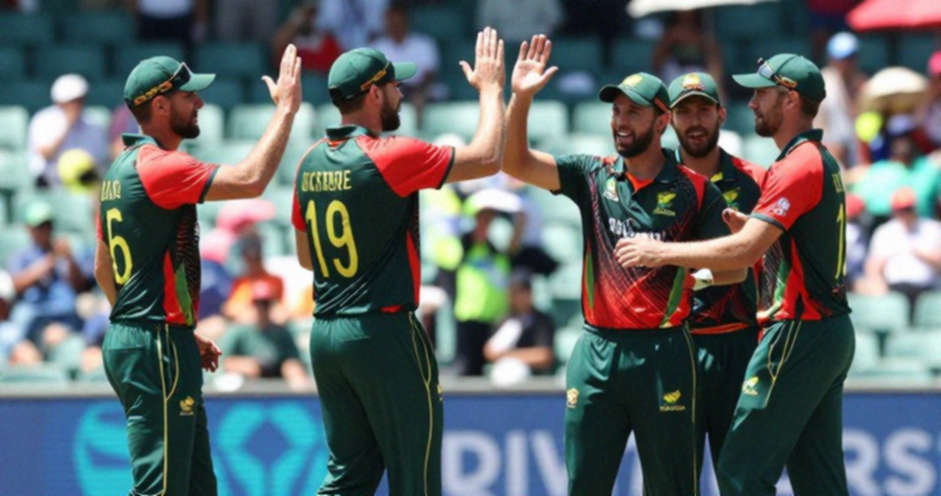
The setting: Muscat, Oman. The ACC Men's Under-19 Asia Cup, 5 to 14 November 2026. India sit in Group A with the United Arab Emirates, Nepal and Pakistan. Group B holds Bangladesh, Sri Lanka, Afghanistan and Malaysia. The top two from each group reach the semi-finals on 12 November, with the final on 14 November. The Junior Cricket Committee selected the squad; Honorary Secretary Devajit Saikia signed the release. The procedural chain is intact.
What is absent runs longer than what is present. The overs format is unstated — historically this competition is a 50-over event, but that is inference, not information. No word on DRS availability, reserve days, or how Duckworth-Lewis-Stern would be applied. Nothing on the age-verification protocol or the eligibility cut-off date. No support staff named. And the largest gap: no standbys. Every squad list carries a shadow where an unwritten name should stand.
Six days separate the announcement and the first match. That is unusually tight for a BCCI junior squad release, and no preparatory camp is mentioned anywhere in it. Two readings are possible — late finalisation, or an ACC scheduling squeeze compressing everything downstream. Neither is a good signal for a group that will have less shared cricket behind it than a tournament of this kind normally assumes.
India's principal opponent in this tournament is not a country. It is the calendar. Five matches in ten days, with a single rest day before each knockout. The soft-tissue load on a teenage fast bowler is a more concrete variable than any opposition analysis. If the same quick is carrying a heavy share of overs across matches one and two, the rotation pattern will tell us before 12 November whether selectors are managing risk or chasing wins.
This is where the fifteenth player acquires meaning. Fifteen in a squad is not a guarantee of eleven — it is a rotation budget. In Muscat, the difference between a side that can rotate and one that leans on two or three names is precisely the difference that surfaces in a semi-final. The two associate opponents in Group A rarely travel with that kind of pool.
Two specialist wicketkeepers, Anvay Dravid and Rajat Baghel, read as a workload and contingency decision rather than indulgence: fifteen to twenty overs of squatting per innings, five matches in ten days, and injury risk compounding quietly. Naming a captain (Lakshya Raichandani) and a vice-captain (Yashbardhan Singh Chauhan) together suggests something longer than a one-event appointment. This is a leadership plan spanning a cycle, not a captaincy for a fortnight.
Group A, not the squad list, is the more informative competitive signal. The UAE and Nepal are organised associate programmes with senior-level exposure, and Nepal brings a Gulf diaspora crowd that turns neutral venues into something less neutral. Sides of that type have repeatedly troubled junior subcontinental teams on slow, low-bounce surfaces. Pakistan's presence adds a second layer: a group defeat does not eliminate India, but it forces a semi-final against a Group B leader, which is a materially different match.
Gulf wickets are typically slow and low, broadly friendly to subcontinental spin — my reading, not the release's, which carries no pitch report. Assuming the 50-over format, the tactical phases hold: build through the first forty, accelerate in the last ten, control the middle with spin. That is exactly where the largest blind spot opens. India's pace-to-spin ratio cannot be assessed, because roles are not disclosed. Any confident external claim about this bowling balance is a claim about a list of names, not a cricket team.
The absence of standbys is a direct exposure. One illness reduces the party to fourteen with no like-for-like replacement, and an emergency ACC-approved substitution carries its own eligibility friction and time cost. That protocol should be clear before the first ball, not after the first fever.
Here my objection sharpens. Collective memory indexes an Under-19 Asia Cup by breakout names — who exploded across four or five innings, whose name attached itself to auction chatter. But five matches cannot carry a career, and a five-match sample is far too weak to license any forecast. A century here means a player topped a small table, nothing more. Two surnames in this list, Sehwag and Dravid, coincide with former internationals; the release confirms no lineage. Even if the connection is real, the scrutiny it invites will exceed what these teenagers' disclosed records can bear.
My second objection concerns our favourite story about small nations. If Nepal or the UAE beat India, the frame will be the giant toppled by the minnow. The truer account is board budget, unequal access and the absence of sustained match practice. The romance covers the structure, which is why we are surprised again every cycle.
The genuine reading of this advisory is a procedurally correct, timely, analytically hollow document: names and structure are certain; roles, data and preparation evidence are absent. The question everyone will ask — who is the biggest talent — is not answerable from this paper. The question nobody will ask — how is a five-match-in-ten-day load managed — is the one that decides the tournament. A documentary finds its plot in the pause before the pass; here the pause sits in the group stage, from 5 to 11 November.
From 5 November, watch one thing only: the distribution of overs across the group matches. The semi-final on 12 November will not measure India's ability. It will answer whether this system knows how to protect its teenage fast bowlers.