
Charlie Hall Commits to USC: Rapid Sprint Progress, but the International Ledger Remains Open
মূল উত্তর: চার্লি হল ২০২৭ শ্রেণিতে পুনর্নির্ধারিত হয়ে USC Trojans-এ যোগ দেওয়ার অঙ্গীকার করেছেন। তার ৫০ ইয়ার্ড ফ্রিস্টাইল ২৩.৮৭ থেকে ২০.৩৭ সেকেন্ডে এবং ১০০ ইয়ার্ড ফ্রিস্টাইল ৫৩.১২ থেকে ৪৫.০২ সেকেন্ডে উন্নত হয়েছে। মূল তথ্য: - দীর্ঘ পুলে হলের ব্যক্তিগত সেরা: ৫০ মিটার ফ্রিস্টাইলে ২৩.৪৫ সেকেন্ড। - দীর্ঘ পুলে ১০০ মিটার ফ্রিস্টাইলের ব্যক্তিগত সেরা: ৫২.৬৮ সেকেন্ড। - হল ২০২৬ শ্রেণি থেকে ২০২৭ শ্রেণিতে পুনর্নির্ধারিত হয়েছেন। - ২০২৬-২৭ সময়ে Texas Ford Aquatics-এর সঙ্গে প্রশিক্ষণের পরিকল্পনা আছে। - USC-তে সম্ভাব্য যোগদানের সময় ২০২৭-২৮ শিক্ষাবর্ষ। উৎস: SwimSwam, ১২ নভেম্বর ২০২৬। প্রশ্ন: চার্লি হল কি International পর্যায়ে Founded সাঁতারু? উত্তর: না, তার ধারাবাহিক উন্নতি আশাব্যঞ্জক হলেও দীর্ঘ পুলের ফল এখনও International সিনিয়র সাফল্য প্রমাণ করে না। প্রশ্ন: USC অঙ্গীকার কি NCAA চ্যাম্পিয়নশিপে নিশ্চিত যোগ্যতা বোঝায়? উত্তর: না, এটি নিয়োগের অঙ্গীকার; আনুষ্ঠানিক ভর্তি, NCAA যোগ্যতা এবং চ্যাম্পিয়নশিপ নির্বাচন পৃথক বিষয়।
Hook
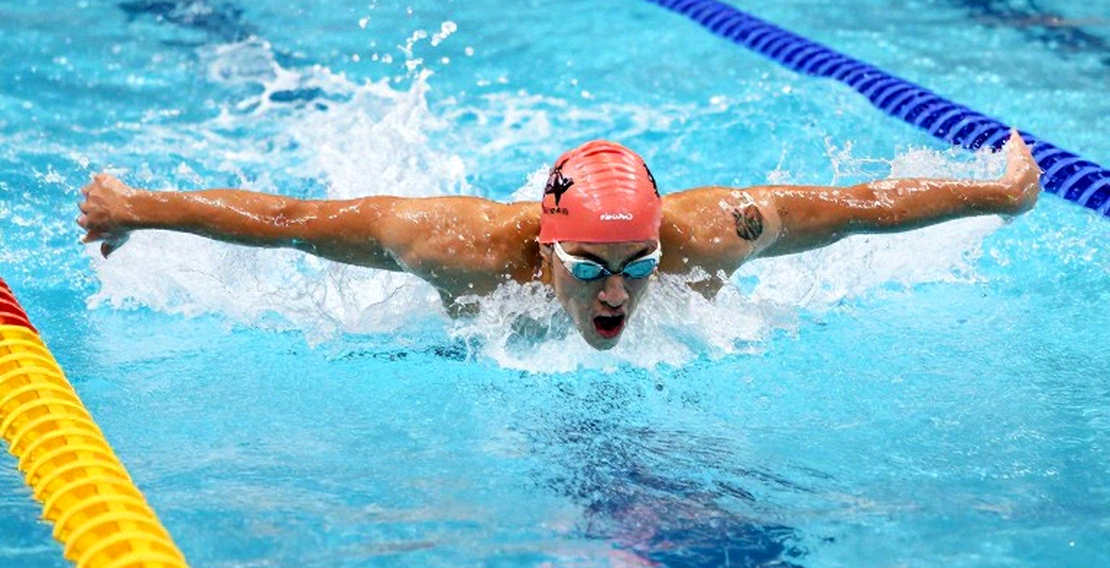
To understand a swimmer's future, the improvement curve often matters more than the fastest single result. Charlie Hall's curve is clear. He opened his high-school career with 23.87 seconds in the 50-yard freestyle and reached 20.37 as a senior. In the 100-yard freestyle, he moved from 53.12 to 45.02 seconds. The gains were 3.50 seconds and 8.10 seconds across the two events.
Those numbers create a strong college-recruiting profile. Yet the ledger cannot close there. Hall has reclassified from the 2026 class to the 2027 class and committed to the University of Southern California Trojans. His long-course personal bests are 23.45 in the 50-meter freestyle and 52.68 in the 100-meter freestyle. The central question is whether his short-course-yard progress can transfer to a 50-meter pool.
After years of watching matches and auditing results, I keep three columns separate: commitment, performance and potential. Hall's USC decision is an important career step. It is not evidence of established international senior success.
Context
SwimSwam reported on November 12, 2026, that Hall had moved into the 2027 recruiting class and planned to join USC in the 2027-28 academic year. He is expected to use the intervening period training with Texas Ford Aquatics. That year should be treated as a major observation period in his development.
Hall also comes from a notable swimming family. His father, Gary Hall Jr., and grandfather, Gary Hall, were both multiple Olympic medalists. That background may give Hall unusual familiarity with elite competition, training environments and the professional demands of swimming. Family achievement, however, is not the same as individual international achievement. Genetic potential can be discussed, but personal times remain the final evidence.
Hall's relatively late entry into year-round swimming is another important detail. His improvement may reflect both physical maturation and the acquisition of technical skills. A late entrant can improve quickly while learning starts, turns, underwater work and race pacing at the same time. The missing evidence is whether that swimmer can later sustain the training load required at the highest level.
Core Analysis
Hall's strongest evidence is sustained improvement rather than one spectacular breakthrough. His 50-yard freestyle progression moved from 23.87 to 22.48, 21.82, 21.18 and finally 20.37 seconds. His 100-yard progression moved from 53.12 to 50.33, 49.24, 47.02 and 45.02 seconds. The pattern across several seasons gives the improvement credibility.
The reporting does not provide the technical explanation for those gains. There are no reaction times, underwater distances, stroke-rate figures or final-15-meter splits. It is therefore impossible to claim that Hall already owns a superior technical profile. The results show potential; the mechanism remains unverified.
A 20.37-second 50-yard freestyle gives Hall a credible profile as a future collegiate sprint specialist. The 45.02 in the 100-yard freestyle is equally important because the event requires speed maintenance after the opening 50 yards. His improvement in the longer sprint suggests that his value may extend beyond a single explosive race.
The long-course results deserve greater weight. International senior swimming is generally judged in 50-meter pools. Short-course yards provide more turns and underwater opportunities, so 20.37 in the 50-yard freestyle cannot be converted directly into a 50-meter equivalent. Hall's 23.45 in the 50-meter freestyle and 52.68 in the 100-meter freestyle are therefore more useful coordinates for assessing his current international position.
Those times establish a credible national development base, but they do not establish world-class senior competitiveness. The report identifies two faster incoming USC sprinters. Langston Lindsey is listed at 19.78 in the 50-yard freestyle and 43.87 in the 100-yard freestyle. Jack Rodenkirch is listed at 19.97 and 43.93. Hall trails them by 0.40 to 0.59 seconds in the 50 and by 1.09 to 1.15 seconds in the 100. Those are meaningful gaps in collegiate sprint swimming.
The gap at recruitment is not a final career result. If Hall continues to improve and converts more effectively to long-course racing, his position could change before he reaches USC. His value may be particularly strong in the 100-yard freestyle and in relay competition. Consistent contribution across a season usually matters more to a college team than one isolated 50-yard personal best.
Reclassification and the gap year must also be assessed separately. The additional year can provide more physical development, more long-course racing and a better transition into college training. Time alone does not create an advantage. If Hall does not produce repeated personal-best performances during the 2026-27 season, the value of the gap year will remain unproven.
USC commitment language also needs precision. A verbal commitment is a recruiting decision. It is separate from formal admission, NCAA eligibility certification, NCAA championship qualification and guaranteed relay selection. The USC 2026-27 roster lists Lea Maurer as head coach and Keith Dawley as an assistant coach. Hall's projected arrival is in 2027-28, so his absence from the current roster is not contradictory.
The central test is the transfer from yard-based speed to repeatable long-course performance. The most important indicators may be speed after the first turn, the final 25 meters of the 100-meter freestyle and the ability to repeat the same standard under championship pressure. The available report does not provide those splits, so the current evaluation must remain conditional.
His family history makes the story more attractive, but a famous name has lasting value only when later results carry it independently. Hall should be evaluated against his own progression and against his future USC teammates, not against the Olympic medals won by his father and grandfather.
Contrarian Angle
One reading says Hall is already a future NCAA star because his improvement is so large. Another says his long-course times make him only a developing national swimmer. Both conclusions are incomplete.
The first ignores the fact that rapid high-school improvement does not always continue at the same rate in college. Training load, physical maturation, injury and deeper competition can change the curve. The second ignores the possibility that a later start in year-round swimming leaves Hall with more technical learning capacity. His ceiling remains open, but the evidence has not yet reached it.
Family pedigree creates both opportunity and pressure. It may increase institutional interest, but it can also inflate expectations. Hall should be compared with Lindsey and Rodenkirch through verified results, not through family identity or recruiting publicity.
The gap year deserves the same caution. Extra time can strengthen technical foundations, but it can also produce stagnation. If Hall moves below 23 seconds in the long-course 50-meter freestyle and below 51 seconds in the 100-meter freestyle during 2027, the case for higher international potential will become stronger. Until then, the USC commitment should remain a promising recruiting story rather than a forecast of senior international success.
Forward Signal
Charlie Hall is best classified as a promising NCAA sprint recruit, not an established international swimmer. His strongest assets are sustained improvement, possible technical headroom from a later start and access to a high-level collegiate environment. His principal weakness is that his long-course results have not yet matched the strength of his short-course-yard profile.
The 2026-27 season should be tracked race by race. Personal bests matter, but so do preliminary-to-final changes, first-half and second-half speed, and results against national-level opponents. I learned to trust a medal table only after counting every entry. Hall's next season requires the same discipline. Each new time will add evidence, but no single result will close the case.
When he reaches USC in 2027-28, three measures will matter: individual NCAA competitiveness, reliable relay contribution and continued long-course progress. If those three signals appear together, the commitment will become more than a recruiting announcement. For now, the ledger records potential. The next page must record performance.