
Harry Kane Injury Raises Major Questions for Bayern’s Attack, but Three-Month Prognosis Remains Unverified
মূল উত্তর: হ্যারি কেইনের reported চোট বায়ার্ন মিউনিখের আক্রমণে বড় স্বল্পমেয়াদি ঝুঁকি তৈরি করেছে, কারণ কেইন ও মাইকেল অলিসে মিলে দলের ৪১ শতাংশ গোলে অবদান রেখেছেন। তবে প্রায় তিন মাসের অনুপস্থিতি এবং ব্যালন ডি’অর জয়ী পরিচয় প্রদত্ত তথ্যে স্বাধীনভাবে যাচাই হয়নি। মূল তথ্য: - কেইন মাঠ ছাড়ার পর বায়ার্নের লক্ষ্যে থাকা শট ছিল একটি। - কেইন ও অলিসে মিলে দলের ৪১ শতাংশ গোলে অবদান রেখেছেন বলে দাবি করা হয়েছে। - ম্যাক্স এবার্লের সূত্রে প্রায় তিন মাসের অনুপস্থিতির পূর্বাভাস দেওয়া হয়েছে। - অলিসে, লুইস দিয়াজ, ইসমায়েল সাইবারি, সার্জ নাব্রি ও আলফনসো ডেভিসও অনুপস্থিত বলে উল্লেখ আছে। - পূর্ণ মেডিকেল রিপোর্ট, প্রকাশের তারিখ ও ম্যাচের বিস্তারিত Statistics সরবরাহ করা হয়নি। সূত্র: প্রদত্ত Stage-1 বিশ্লেষণ; মূল প্রকাশনার তারিখ উল্লেখ নেই। স্বাধীনভাবে ক্রস-চেক করা হয়নি। সম্পর্কিত প্রশ্নোত্তর: প্রশ্ন: কেইনের চোট কি পুরো মৌসুমে বায়ার্নের আক্রমণ দুর্বল করবে? উত্তর: এক ম্যাচের তথ্য দিয়ে পুরো মৌসুমের প্রভাব নির্ধারণ করা যায় না; Next ম্যাচের সুযোগ তৈরির তথ্য প্রয়োজন। প্রশ্ন: তিন মাসের অনুপস্থিতি কি নিশ্চিত? উত্তর: না, ম্যাক্স এবার্লের সঙ্গে যুক্ত পূর্বাভাসটি মূল মেডিকেল রিপোর্ট ছাড়া আপাতত যাচাই-অপেক্ষমাণ। প্রশ্ন: বায়ার্ন কি আর্থিক সমস্যায় পড়বে? উত্তর: সরবরাহ করা তথ্যে আয়, বেতন, ঋণ বা ট্রান্সফার ব্যয়ের তথ্য নেই, তাই আর্থিক সিদ্ধান্তে পৌঁছানো যায় না।
Hook: Possession Without Danger
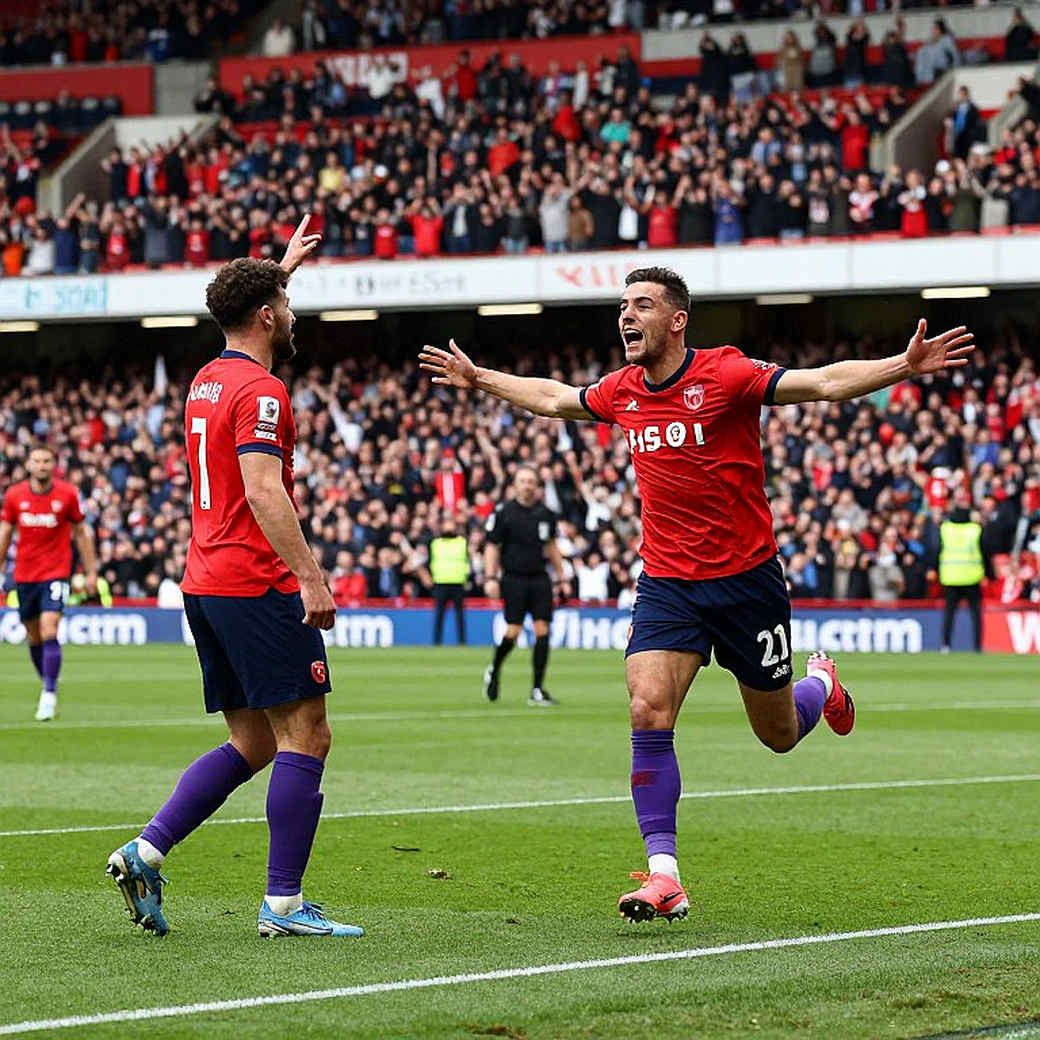
Bayern Munich controlled the ball against Cologne, yet the attack appeared to lose its edge after Harry Kane left the field. According to the supplied analysis, Bayern managed only one shot on target after Kane’s departure. That is an important match signal, showing how the final phase of the attack became less effective. It does not, however, prove a season-long weakness. The full match data, expected-goals figures, and Bayern’s normal attacking baseline were not provided.
The issue is larger than the absence of one famous forward. The report claims that Kane and Michael Olise were responsible for 41 percent of Bayern’s goals during the season. If that figure is accurate, it reveals a meaningful concentration of scoring responsibility. The relevant period, competition scope, and calculation method remain unspecified, so the number should be treated as a potential risk indicator rather than a final verdict.
Context: An Injury Report Without the Full Medical Picture
The supplied report says Kane was injured while trying to reach Olise’s deflected cross. Bayern sporting director Max Eberl is cited in connection with an estimate of roughly three months out. A club-linked statement carries more weight than an unattributed rumour. The original medical report, injury diagnosis, rehabilitation plan, and publication date are missing, however. The three-month estimate therefore remains unverified.
The report also lists Olise, Luis Diaz, Ismael Saibari, Serge Gnabry, and Alphonso Davies among the unavailable players. That could create substantial pressure on Bayern’s squad depth. The severity of each injury, expected return dates, and the available positional replacements are not supplied. Vincent Kompany’s public call for less-established players to produce exceptional performances shows the scale of the challenge, but it does not prove either dressing-room unity or internal conflict.
The fixture context also requires caution. The report refers to possible Champions League and England Nations League quarter-final consequences. Exact dates, Bayern’s league position, and England’s qualification situation are absent. Any specific conclusion about the impact of Kane’s absence in February or March would therefore be premature.
Core Analysis: Bayern’s Problem Is Turning Possession Into Chances
The clearest piece of evidence is that Bayern failed to turn possession into danger after Kane left. One shot on target points to a problem in the final phase of the attack. It does not establish whether Kane’s absence caused the problem, whether Cologne’s defensive structure was responsible, or whether the match situation shaped Bayern’s output. Without data on passing volume, penalty-area touches, cross quality, shot locations, and expected goals, a tactical diagnosis would remain incomplete.
Kane’s precise tactical role also needs to be established. The supplied information does not show whether his main value came from finishing, dropping deep to connect midfield and attack, or creating space through movement. His absence could affect Bayern in three ways. The team may lose box finishing, the connection between midfield and attack may weaken, and opposing centre-backs may face fewer dilemmas between following him deep and protecting space behind them. Those are plausible effects, not proven conclusions from the available evidence.
If the 41 percent figure for Kane and Olise is reliable, Bayern’s attacking contribution is concentrated around two players. When one of those players is missing, the burden on the others is not limited to taking more shots. They must also create chances, carry the ball forward, and move the opposition’s defensive shape. Bayern’s next matches should therefore be assessed through more than goals. Shot quality, penalty-area entries, final passes, and attacking recoveries will help determine whether the team is adapting.
Based on my years of watching matches, possession can create a misleading impression of control. A team may hold the ball for more than 60 percent of a match and still fail to control the dangerous areas. The single shot on target against Cologne exposes that difference. The key question is whether Bayern will attack more directly without Kane or continue with the same passing structure while lacking a reliable final finisher.
Kompany now faces a two-level selection problem. He must find an alternative to Kane’s finishing and ability to hold the ball while also compensating for Olise and the other absences. If less-established players receive larger roles, their performances should not be judged only by the final score. Their positions, distances from teammates, touches under pressure, and the quality of the opposition press also matter.
There is no evidence connecting Kane’s injury to Bayern’s finances, financial regulations, or a transfer operation. The supplied material contains no revenue, wage, debt, contract, or transfer-fee information. Any calculation of replacement costs or commercial losses would be speculative. The transfer market does not hide money; it renames it. In this case, however, no financial trail has been provided.
Contrarian Angle: Is One Match Being Turned Into a Crisis?
Bayern’s situation may be serious, but headline language and evidentiary strength are different things. The supplied facts justify concern: Kane’s reported injury, Olise’s foot problem, several other absences, and the claimed 41 percent goal contribution. Yet one shot on target in one match does not prove that Bayern’s attack has become permanently ineffective.
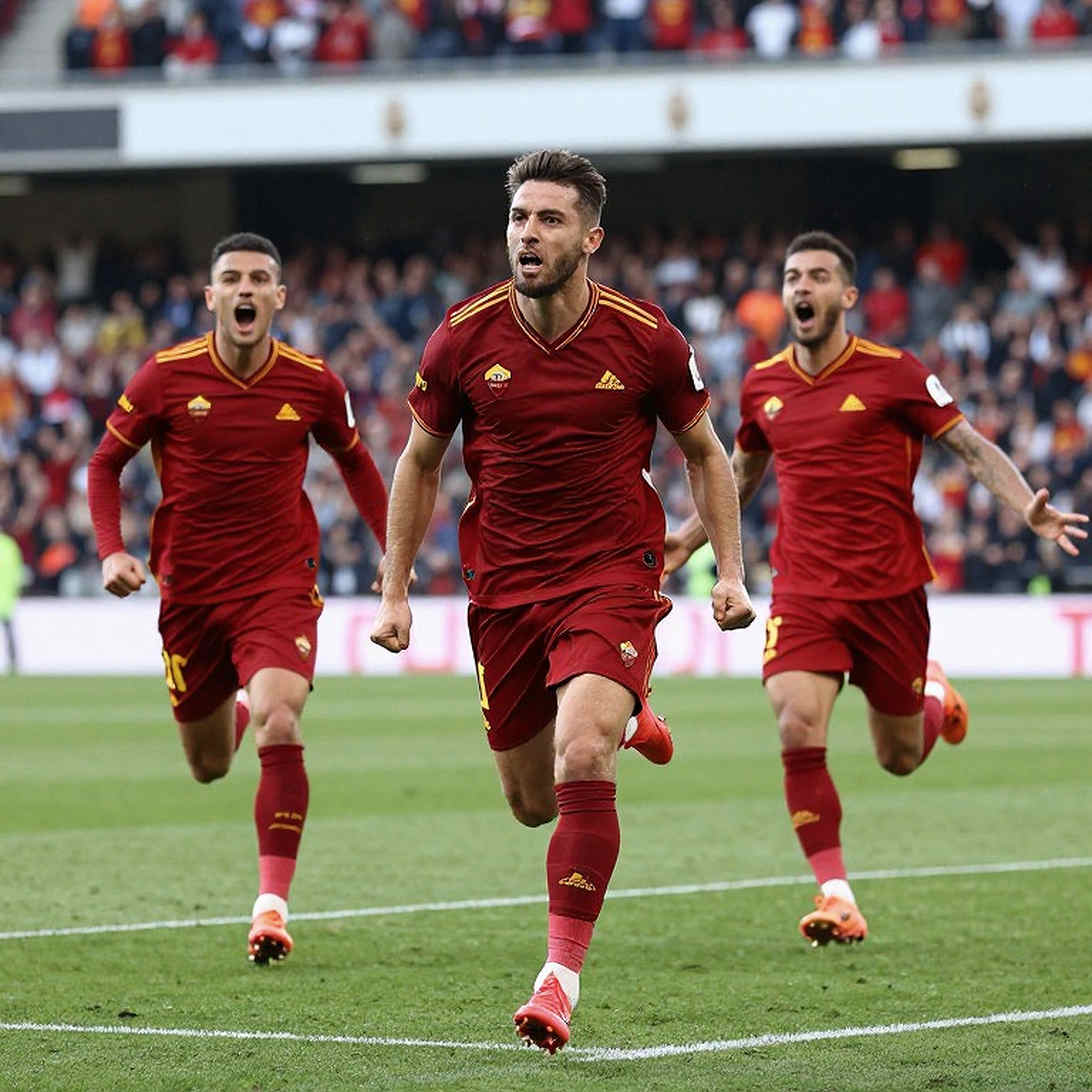
The draw with Cologne is equally limited evidence. Without a five-match or ten-match form sample, league position, opponent-strength data, and expected-goals trends, it cannot be described as a wider crisis. There is also no evidence of dismissal pressure on the manager, player dissatisfaction, or supporter backlash. Kompany’s message about unity is a management signal, not proof of internal dysfunction.
The report also describes Kane as a Ballon d’Or winner. The supplied analysis does not independently support that claim. It should not be used to measure the sporting impact of the injury. A credible assessment requires verified information on goals, chance creation, role, and team results.
Rangpur taught me that the smallest number often owns the biggest secret. Here, that number is one. It shows an immediate attacking disruption, but it does not reveal Bayern’s full season outlook. The next several matches must show whether the lack of dangerous chances persists.
What Comes Next: Medical Updates Are the First Test
Bayern’s first priority should be to verify the official medical diagnosis, rehabilitation progress, and Kane’s return to team training. If the three-month estimate is confirmed, the length of the absence will matter. The timing of the return may matter even more. Updates on Olise and the other unavailable players will determine the actual strength of Bayern’s attacking group.
The next stage is to measure Bayern without Kane. Goals should be tracked alongside shot quality, penalty-area entries, and final passes. That evidence will show whether the Cologne match was an isolated event or an early sign of a persistent problem. A subsidy ledger is a confession that has not yet been audited; a single match statistic also requires repeated verification before it becomes a verdict.
If Kane’s injury and the three-month estimate are confirmed, Bayern will face a high short-term sporting risk. The current evidence does not support a firm prediction about results, the Bundesliga race, or Kane’s availability for England. Bayern’s next test will not be possession itself. It will be how quickly and cleanly the team can turn possession into chances without its central forward.