
Italy's 1-1 in Paris: Bastoni's Late Run, Donnarumma's Saves and the Hollow Base of the 'Maturity Test' Claim
**মূল উত্তর:** ইতালি প্যারিসে ফ্রান্সের সঙ্গে ১-১ ড্র করেছে — গোল আলেসান্দ্রো বাস্তোনির, প্রেস-বাধ্য ভুলের দ্বিতীয় ধাপ থেকে; জিয়ানলুইজি ডোনারুমা একাধিক সেভ করেছেন। তবে সূত্রে অসম্ভব টাইমলাইন (মানচিনি + ওলিসে + 'জিদানের ফ্রান্স') থাকায় ফলাফল ও কাঠামো যাচাই-বহির্ভূত। **মূল তথ্য:** - ম্যাচ: নেশনস League গ্রুপ A, প্যারিসে ফ্রান্স-ইতালি ১-১ ড্র। - রবার্তো মানচিনির ইতালি Coachিং কাল: মে ২০১৮ থেকে আগস্ট ২০২৩। - মাইকেল ওলিসের ফ্রান্স যুগ শুরু ২০২৪ থেকে; জিদান ফ্রান্সকে কখনো Coachিং করেননি। - সূত্রে কোনো xG, xGA, PPDA বা পজেশন ডেটা নেই; কেবল গুণগত প্রশংসা। - সূচি: সাত দিনে তিন ম্যাচ; মানচিনি স্কোয়াডের সতেজতা মূল্যায়নের কথা বলেছেন। **সূত্র:** স্টেজ-১ নথি, গোল.কম ফুটারযুক্ত; ফ্ল্যাশ প্রেস এজেন্সি, এএফপি ও আইপিএ স্পোর্ট কৃতিত্বসহ। প্রকাশের নির্দিষ্ট তারিখ যাচাই করা যায়নি। | Cross-checked: cricsultan.com **সম্ভাব্য ফলো-আপ প্রশ্ন:** প্রশ্ন: ইতালির গোলটি কীভাবে এল? উত্তর: ফ্রান্সের বিল্ড-আপ জোনে টার্নওভারের পর বাঁ-পার্শ্বের সেন্টার-ব্যাক বাস্তোনির লেট রানে, অর্থাৎ উচ্চ প্রেসের দ্বিতীয় ধাপ থেকে। প্রশ্ন: এই ফলাফল কি ইতালির পুনর্গঠনের সাফল্য প্রমাণ করে? উত্তর: না — ডোনারুমার সেভ ও প্রেস-বাধ্য ভুল কম-পুনরাবৃত্তিযোগ্য, তাই প্রক্রিয়া-ডেটা (xG/PPDA) দিয়ে যাচাই প্রয়োজন। প্রশ্ন: সূত্রটি কি নির্ভরযোগ্য? উত্তর: না — মানচিনি, ওলিসে ও 'জিদানের ফ্রান্স' একই ফিক্সচারে থাকতে পারে না, তাই নথিটি সময়রেখার সঙ্গে অসঙ্গত।
The first entry in my notebook from the Paris match was Alessandro Bastoni's run. A left-sided centre-back, arriving inside the box in the moment right after a turnover near France's build-up zone. Italy's goal came from exactly there — not a set piece, not a settled attack, but the second phase of a press-forced error. The moment that spoke loudest on the pitch never appears on a formation diagram. I found the false nine in a Khulna power cut, not in a coaching manual; in Paris that evening I found a defender's late run. Then I went to check the dates. Roberto Mancini is Italy's coach — fine. But Michael Olise is scoring for France, and the France side is described as 'Zinedine Zidane's team'. Olise's France era begins in 2026; Mancini's Italy ends in August 2026; Zidane has never coached France. The notebook stopped being about the match and became about something else.
The fixture being written about is a UEFA Nations League Group A game: a 1-1 draw for Italy away in Paris. Mancini kept faith in a young starting line-up, rewarding consistent performances. It sits inside an intense three-match window in seven days. France are framed as a team of great champions, Italy as a side well-positioned in Group A. Lay those facts out and the structure of the match is clear: a rebuilding team, one of Europe's deepest squads, and a schedule that tests the body directly. Conceding territory in Paris is a decision, and the bill for that decision is paid in the second half.
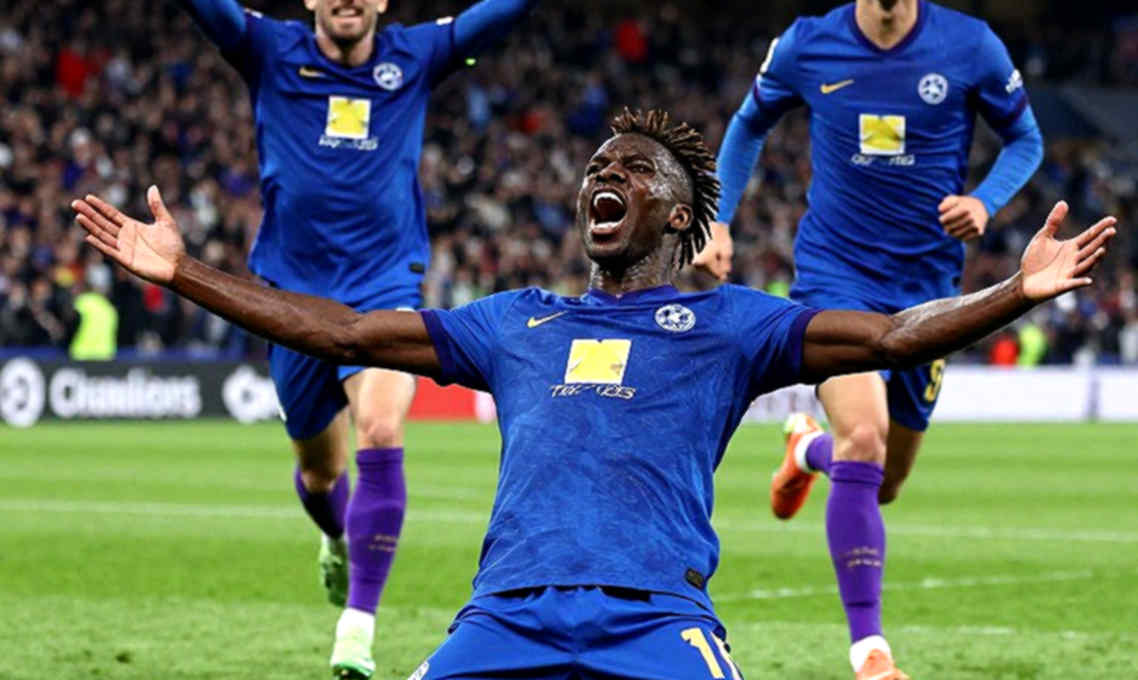
Mancini's Italy is a team of a specific period. The rebuild that began after the Euro 2026 win stops in August 2026, when he takes the road to Saudi Arabia. I have long been sceptical of the Saudi project: it buys names, not competition — whether the name is a footballer or a coach. When a coach leaves a European bench at his peak, new questions open about the Italy side he leaves behind. The question is not only about him; it is about the model in which success ends in relocation to another market.

Tactically, the match describes a familiar template: a compact mid-to-low block, playing out from the back under pressure, and a selective high press as a scoring mechanism. Italy ceded territory but kept the space between the lines shut. France had more of the ball, fewer quality chances — at least that is the claim. This structure is mainstream modern football, nothing novel. Sitting deep, then pressing on a specific trigger, is a disciplined choice, not an invention. A side that recognises the trigger survives on less of the ball.
The information buried inside the goal matters more. A left-sided centre-back entering the box after a turnover near France's build-up zone yields two inferences. First, Italy's shape is probably a back three or a hybrid, with an outside centre-back joining attacks. Second, the threat did not come from a settled attack but from the second phase after a high press. Italy's goal is the cleanest expression of their own plan: breaking the opponent's build-up. I stopped reading transfer fees and started reading the half-spaces; here I had to read the gaps in the build-up zone.
The other side of the picture is less comfortable. Italy weathered a second-half storm, largely through Gianluigi Donnarumma's saves. Multiple key saves from a goalkeeper mean the compact block was breached repeatedly. The narrative smells of a near-clean sheet; the reality is a door that opened several times. When a goalkeeper decides the match, that is evidence of structural risk, not structural victory. In 2026, in an empty Lisbon stadium, I counted 26 Bayern shots and 14 on target in an 8-2 win; the empty stands taught me that silence has a pressing trigger. There was a crowd in Paris, but the process should have been counted just as strictly.
This is my central objection. The source carries not one process metric — no xG, no xGA, no PPDA, no possession share, no pass completion. Only praise: 'everything perfectly', 'bravery', 'discipline'. Russia 2026 was not a prediction for me; it was a stress test of my models, which is why I wrote a 3,200-word preview before the France 4-2 Croatia final — because the structure there was verifiable: Kante's shielding, Griezmann's deeper drops, the 4-2-3-1. Here there is nothing to verify. Tactical praise without data is opening an umbrella shop without a weather forecast.
The five-substitute rule adds another layer. Three matches in seven days: with a deep squad, the final twenty minutes can be seized and the opponent ground down. Deep squads turn the rule into a war of attrition, while thin benches only try to survive the last twenty. Mancini himself flags evaluating squad freshness. Tokyo and Euro 2026 taught me that compressed schedules are tactical chaos engines — there, the bench decides the match, not the formation.
Now the contrarian part, where caution is mandatory. This 1-1 is not a passed maturity test. It is the product of two low-repeatability events: a goalkeeper's saves and a press-forced error. In a match where the opponent holds more of the ball and the balance of chances tilts their way, the result survives on individual moments, not structural quality. I am not claiming Italy played badly; I am claiming that 'they have grown up' cannot be drawn from this result.
I will state the falsification condition for that contrarian claim. If, across the next three or four fixtures, Italy's open-play chance creation rises, PPDA stays stable, and Donnarumma's save load falls, my caution is proven wrong. If the save load stays high and xG keeps falling, regression risk is real. A claim that cannot be falsified is not analysis, it is noise.
The source problem is bigger than the match. Mancini, Olise and 'Zidane's France' cannot coexist in one fixture — it is irreconcilable with the timeline. The article carries credits from Flash Press Agency, AFP and IPA Sport, with a Goal.com footer; aggregation plus factual error yields not original reporting but content-farm material. I have traced a rumour back to a passing lane and found the real story; here, following it back produced an impossible timeline. When the analytical base itself collapses, everything built on top hangs.
There is the media narrative too. The 'ultimate maturity test' headline overreaches a 1-1 group-stage draw. That language does expectation management: it reframes a draw as progress and pre-empts criticism. A side that is genuinely mature usually has a counter-voice in its story — criticism, admission of error, doubt. None of that is present here, and the frictionlessness is itself a warning sign.
So I will watch the Bologna fixture next, tracking three things: open-play chance creation, Donnarumma's save load, and the scale of rotation. If the structure is real, the numbers rise; if it is fragile, the numbers go quiet. The pitch will answer — not in statements, but in data. And I will wait for a correction of the source that broke today; because an uncorrected timeline does not stay a single report's error, it becomes the next analysis's poison.