
AFC Nations League: A World Cup Door for Vietnam, or a New Structural Trap?
প্রশ্ন: এএফসি নেশনস League কি ভিয়েতনামের বিশ্বকাপে যাওয়ার নতুন পথ খুলে দেবে? মূল উত্তর: এএফসি নেশনস League একটি প্রস্তাবিত প্রতিযোগিতা, অনুমোদিত নয়। প্রথম স্তরে বিশ্বকাপের সব কোটা থাকায় ভিয়েতনামের সুযোগ শর্তসাপেক্ষ; ১৮ দলের মধ্যে শীর্ষ ছয় প্রয়োজন, অথচ ভিয়েতনাম এশিয়ায় ১৭তম। মূল তথ্য: - ভিয়েতনাম ফিফা র্যাঙ্কিংয়ে ৯৯তম (বিশ্ব), এশিয়ায় ১৭তম; থাইল্যান্ড ৯৩তম, এশিয়ায় ১৪তম। - প্রস্তাবিত কাঠামো: তিনটি স্তর — ১৮/১৮/১১ দল, ভৌগোলিক গ্রুপ বিলুপ্ত। - বিশ্বকাপ কোটা প্রথম স্তরে কেন্দ্রীভূত: ৬ সরাসরি + ২ প্লে-অফ + ১ আন্তঃমহাদেশীয় = ৮.৫। - টেস্ট মডেল ২০২৮–২৯; সম্ভাব্য যাত্রা ২০৩০, লক্ষ্য ২০৩৪ বিশ্বকাপ। - ভিএফএফ ভাইস প্রেসিডেন্ট Nguyễn Xuân Vũ অর্থ, প্রযুক্তি ও সময়সূচির উদ্বেগ উল্লেখ করেছেন। সূত্র: ESPN Asia প্রতিবেদন (প্রকাশ: সেপ্টেম্বর ২০২৬); এএফসি সদস্য ফেডারেশনদের কাছে উপস্থাপনার তারিখ: ৬ অক্টোবর, ২০২৬। | Cross-checked: cricsultan.com সম্পর্কিত প্রশ্নোত্তর: প্রশ্ন: ভিয়েতনাম কি প্রথম স্তরে থাকবে? উত্তর: এখনো নিশ্চিত নয়; এশিয়ায় ১৭তম হওয়ায় স্লটটি সবচেয়ে ঝুঁকিপূর্ণ, আর স্তর নির্ধারণে ২০২৮–২৯ টেস্ট টুর্নামেন্টও বিবেচিত হবে। প্রশ্ন: দ্বিতীয় স্তরের দলগুলোর বিশ্বকাপে যাওয়ার সুযোগ থাকবে কি? উত্তর: প্রস্তাবিত কাঠামোয় কার্যত নেই, তাই ২৯টি ফেডারেশন সম্ভাব্য ভোট-ব্লক হিসেবে প্রস্তাব আটকে দিতে পারে। প্রশ্ন: ভিয়েতনামের সবচেয়ে বড় ঝুঁকি কী? উত্তর: কাঠামোগত অনিশ্চয়তা ও র্যাঙ্কিং ফাঁদ — শক্ত প্রতিপক্ষের কাছে টানা হারলে দ্বিতীয় স্তরে নেমে বিশ্বকাপ-পথ বন্ধ হয়ে যেতে পারে।
It was half past eleven in a tea shop in Hanoi's Old Quarter, and nobody was touching their tea. Phones in every hand, one word on every screen: World Cup. A young man translated the news out loud — the Asian Football Confederation is reportedly preparing a new competition, and through it Vietnam might find a fresh door to the World Cup. The roar that spread across that room is one I recognise. In August 2026, watching Liverpool beat Arsenal 4-0 at Anfield, I learned that a stadium can breathe as one; I found my first sentence inside the Kop. But the roar in Hanoi has an empty space inside it, because nobody has actually opened that door yet. They have only hung a picture of it.
The picture comes from a single source. An ESPN Asia report claims the AFC will present a new competition structure to its member federations, with a presentation date set for October 6, 2026. The language is cautious — 'according to documents', 'under the plan'. There is no named AFC official, no official announcement. Vietnam's World Cup dream currently rests on a leaked piece of paper, while the party in the tea shop is already underway.
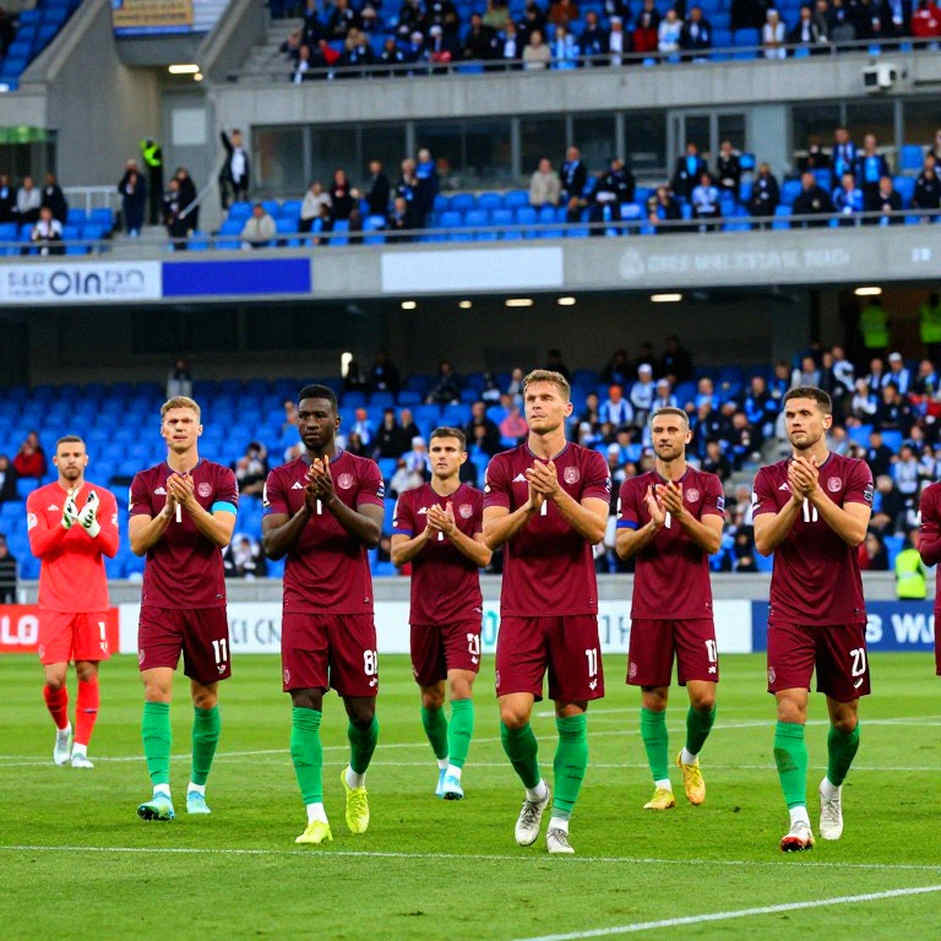
The Vietnam Football Federation is notably cool. VFF Vice President Nguyễn Xuân Vũ told reporters the federation learned of the plan through the media, that it may still be a 'planned project', and that finance, technology and scheduling questions remain unresolved. That is unusually disciplined public language for football administration, because publicly branding an unratified plan as a World Cup path is a good way to saw off the ground under your own feet.
To understand the structure, look at Asia's map first. The AFC has 47 member federations. The plan divides them into three tiers: 18 in Tier 1, 18 in Tier 2, and 11 in Tier 3. Tier 1 becomes the de facto 'Asia Premier Division'. Geographic scheduling is abolished in favour of performance-based seeding — genuinely new for Asian football. Quarter-finals would be home-and-away, with centralised semi-finals and finals. A test model would run in 2028–29, with a full launch possibly in 2030, aimed at the 2034 World Cup horizon.
Now the part that matters most. Under the revealed format, Asia's entire World Cup allocation is concentrated inside Tier 1: six direct tickets, two from a play-off, and one intercontinental place — 8.5 in total, matching the AFC's current allocation. Mathematically, that means the 29 federations in Tiers 2 and 3 would have essentially no World Cup path.
Vietnam sits at 99th in the world and 17th in Asia. Thailand, its regional rival, is 93rd and 14th. In an 18-team Tier 1, Vietnam would be among the two or three lowest-ranked teams — its 'top-tier' status would be nominal more than competitive. Vietnam's real fight is not for a direct ticket; finishing top-six of 18 means overtaking roughly 11 higher-ranked teams, so the realistic target is the 7th–10th play-off zone, which itself guarantees nothing. The door in the headline hides its key in a very narrow slot.
The opponents Vietnam would face tell the story: Japan, South Korea, Iran, Australia, Saudi Arabia, Qatar, the UAE. This is not just a ranking list; it is almost the complete stylistic spectrum of Asian football. Japan play possession and circulation; South Korea high-intensity pressing and transition; Iran physical, set-piece-heavy, low-block resistance; Australia direct, aerial, transition-based; Saudi Arabia technical possession with a high line. Regular exposure to such diversity forces tactical adaptability — but there is a flip side: repeated exposure to a superior stylistic spectrum often pushes mid-tier teams into a reactive, low-block identity rather than an expansive one. For Vietnam, that risk is real.
Then comes the ranking trap. Sitting 17th of 18 in Tier 1, Vietnam would live in the competition's relegation-risk group. The competition meant to help them could, through poor results, push them into Tier 2 — and Tier 2 closes the World Cup path entirely. When the mechanism meant to help is also the one that can hurt, it is fairer to call it a trap than a dream. It is a double bind: Vietnam must face elite opponents to develop, but doing so costs ranking points and confidence.
Money is the least discussed dimension. The schedule means repeated travel to Tokyo, Seoul, Tehran, Melbourne and Riyadh, plus home-and-away quarter-finals and centralised finals. This is exactly why the VFF vice president raised finance, technology and scheduling. National-team competitions have no club-style FFP or PSR; the real constraint is federation solvency and AFC cost-sharing. If the AFC does not build a centralised revenue pool, the format could widen the gap between wealthy federations and poorer ones.

The biggest obstacle is not on the pitch but in the vote. Concentrating all World Cup slots in Tier 1 effectively excludes 29 federations, who form a potential blocking coalition. Ratification likely requires the AFC to keep some qualification access open for them — which would dilute the 'clean' Tier 1-only path and reduce Vietnam's effective odds. There is also a hidden gate: FIFA sign-off, since restructuring AFC qualification must align with FIFA's global slot allocation and calendar.
Tier composition would not be purely ranking-based either; the 2028–29 test tournament would help determine tiers, introducing discretionary and political variables beyond Vietnam's control.
Media-wise, the structure is hedged hype: an aspirational, question-marked headline over a cautious body, sourced to a single ESPN Asia leak. The expectation gap is the real risk. The public imagines a direct World Cup ticket; the arithmetic says top-six of 18 with Vietnam ranked 17th in Asia. However disciplined the federation stays, social media does not do restraint.
I spoke with Vietnamese and Thai supporters and journalists. One Hanoi fan was euphoric: 'This is the best chance of our generation.' A Thai fan laughed: 'Vietnam in Tier 1? Their real level is lower — we are ahead on ranking and still worry about a slot.' A journalist in Ho Chi Minh City was bluntest: 'We are celebrating before the door is even open.' Three voices, three moods.
On 21 June 2026, I covered the behind-closed-doors Merseyside derby at Goodison Park, a 0-0 with no roar, only a hollow echo; I interviewed 12 supporters outside and wrote 'The Sound of Absence'. That taught me football's true emptiness is not on the pitch but in the voice. If the AFC Nations League arrives as structure without fairness of money, schedule and access, it becomes another empty-gallery story — present, but pulseless.
The transmission effects matter. Broadcasting, sponsorship and merchandise all point positive if ratified. The Vietnam–Thailand pairing inside Tier 1 preserves a valuable regional rivalry. But the region's weight would depend on those two holding their seats. For academies, the benefit is long-term: the 2030 launch and 2034 horizon span multiple coaching cycles and player generations, so the gains accrue to a future squad, not today's.
Now the uncomfortable possibility at the heart of this narrative: elite exposure is not, by itself, a development mechanism. Openness is not progress. Playing Japan and Korea six times a year does not make a team better on its own; domestic league quality, academy pipelines and coaching education do. This project could cover that fundamental work with a shiny top layer.
There is a more uncomfortable argument. If Tier 1 is the most seductive product, staying in Tier 2 and winning your way up might serve Vietnam better: winning builds ranking points, confidence and international habit for young players. The slogan 'top tier or nothing' sounds brave, but under ranking economics it is not always the smart choice. A third uncomfortable truth: the real prize may not be the World Cup ticket at all, but a permanent, quality international calendar — regular competitive football with broadcast value, sponsorship value and a clear ladder for young players.
So what to watch? October 6, 2026 — what the AFC actually presents. Then the 2028–29 test model, where sport and politics will mix. Then the 2030 launch. Any of these could change the picture: the proposal could dissolve, or Vietnam could be asked to settle for something less attractive.
The final question is football's, not mine. When a nation sings toward a door, is it singing for the door, or is the singing itself the real need? If the roar in that Hanoi tea shop ever becomes a real ninety-minute roar, we will know whether this project gave Vietnam a ticket or an identity. That answer will not be written in any document. It will be written on grass.