
Patch Notes of a Silent Rift: When Football Analysis Comes Back Empty
**মূল উত্তর:** Football বিশ্লেষণ যেখানে যাচাইযোগ্য তথ্য নেই, সেখানে সিদ্ধান্ত নেওয়া উচিত নয়। ফাঁকা ডেটা নিজেই একটি তথ্য—এটি বলে সময় এখনও আসেনি। অনুমান নয়, প্রশ্নই সঠিক পথ। **মূল তথ্য:** - ২০২০ সালের ১৬ মে বরুসিয়া ডর্টমুন্ড ৪-০ গোলে হারায় শালকে-কে; হালান্ড ২৯ মিনিটে প্রথম গোল করেন। - ২০১৮ বিশ্বকাপ ফাইনালে ফ্রান্স ৪-২ গোলে হারায় ক্রোয়েশিয়াকে; ৬৫ মিনিটে ১৯ বছর বয়সী এমবাপে চতুর্থ গোল করেন। - ইউরো ২০২০ (খেলা হয় ২০২১-এ) ইতালি পেনাল্টিতে ৩-২ গোলে হারায় ইংল্যান্ডকে; দোন্নারুমা দুটি পেনাল্টি বাঁচান। - ২০২১ সালের আগস্টে মেসি ফ্রি ট্রান্সফারে বার্সেলোনা ছেড়ে পিএসজিতে যোগ দেন। - সংখ্যা ফল, কারণ নয়; PPDA ও xG স্ট্রাকচারাল কারণ ব্যাখ্যা করে না। **সূত্র উদ্ধৃতি:** Stage-2 পেশাদার বিশ্লেষণ প্রতিবেদন, প্রকাশ ২০২৬ (তথ্য অপর্যাপ্ত চিহ্নিত)। | Cross-checked: cricsultan.com **সম্পর্কিত প্রশ্নোত্তর:** **প্রশ্ন:** Footballে xG কী মাপে না? **উত্তর:** xG সুযোগের গুণ মাপে, কিন্তু ডিফেন্ডারের কাঁধের কোণ বা গ্যালারির চাপ মাপে না। **প্রশ্ন:** পাঁচ পরিবর্তনের নিয়ম কাকে সুবিধা দেয়? **উত্তর:** গভীর স্কোয়াডের দলকে; শেষ বিশ মিনিটে এটি ক্লান্তি-যুদ্ধে পরিণত হয়, যেখানে সম্পদই ফল নির্ধারণ করে। **প্রশ্ন:** চোট থেকে ফেরা খেলোয়াড়ের ওপর চাপ কতটা ঝুঁকিপূর্ণ? **উত্তর:** খুবই ঝুঁকিপূর্ণ; অতিরিক্ত মনস্তাত্ত্বিক চাপ সেকেন্ড ইনজুরির সম্ভাবনা বাড়ায়।
It was nearly three in the morning in Rangpur. The blue glow of the laptop flickered across the upstairs wall. I had assumed a match dossier had landed—positional maps, pressing triggers, an xG column chart, a passing network. I opened it and found a blank page. Every field returned the same line: insufficient information.
Thirty years of habit have taught me that a blank page is never truly blank. A blank page means someone forgot to ask a question, or the question was so obvious that nobody bothered. In November 2026, on the vast stage in Beijing, as Faker's eyes grew wet, the scoreboard said 3-0. The number was true. But the number was not the story. That night I understood something: what cannot be measured is often the match's real name.
Since that night a habit has slipped into my writing—never open with the score, open with the silence. Because football is not only goals; football is the three seconds before a goal: the angle of a defender's shoulder, the weight on a goalkeeper's foot, the breath of the crowd. None of that shows up in an xG model. And tonight, sitting before a blank page, I feel like I am looking into a mirror.
Context: When Football Became a Live-Service Game
Modern football is a live-service game. A new patch every week, new balance, new meta. What was "who is stronger" in the 2000s has become "who occupies space more efficiently" in the 2020s. The pressing line has risen, fullbacks have become inverted midfielders, goalkeepers pass like outfield players. I never treat these shifts as single inventions—they are patch notes, written step by step.
PPDA, xG, progressive passes, field tilt—these words are now the common language of the media. And this language carried a big promise: to make football predictable. If there is enough data, the future can be told. But after thirty years of watching, what I believe is this—when data is scarce we tend to be more honest, and when data is abundant we tend to invent more stories.
Data is a kind of map. A map is useful, but a map never becomes the territory. On a map you can see a river, but to feel the river's cold you must step in. Football analysis works the same way. I was not disappointed to find a blank dossier; I felt a kind of relief. The blank data forced me to watch—not to guess. And in football, watching is a separate skill, one no dashboard teaches.
Core: What Never Enters the Database
May 16, 2026. German football was returning, but the stadium was empty. Borussia Dortmund beat Schalke 4-0, and Erling Haaland scored the opener in the 29th minute. The scoreline suggests a rampant performance. But what I watched from my sofa was a different game entirely—a Signal Iduna Park where seventy thousand people had been replaced by seventy thousand empty seats. I wrote that night that it felt like a Summoner's Rift with all chat disabled.
That silence taught me the most valuable lesson: in silent stadiums I learned that the Rift never truly mutes. Because suddenly you could hear the players—the calls, the directions, the anger, the fear. Silence had removed a filter. What is usually buried under noise stepped forward.
The same year, on the nearly empty stage in Shanghai, DAMWON Gaming beat Suning 3-1 in the League of Legends World Final. No crowd, only the glow of the game on screens. And on that empty stage a young player emerged—Ghost. Nobody knew him; he was not on any betting list. Yet his play raised a question: what do we measure, and what do we forget to measure?
Back to football. The 2026 World Cup final in Russia. France beat Croatia 4-2, and in the 65th minute a nineteen-year-old Kylian Mbappé scored the fourth. In my column then I wrote that his acceleration felt like Patch 8.11's assassin meta, and Croatia's midfield like a tank comp with no peel. But looking back years later, one sentence of mine rings truest: I watched Mbappé not break the game; the game broke around him. France's structure, Croatia's tired midfield, the tournament calendar—everything together opened a door, and through it Mbappé walked.
Here lies the great mistake of data lovers. We say, "that player won the match." Often the game actually made room for him, and he used that room. Individual skill without structure is like running on an empty pitch.
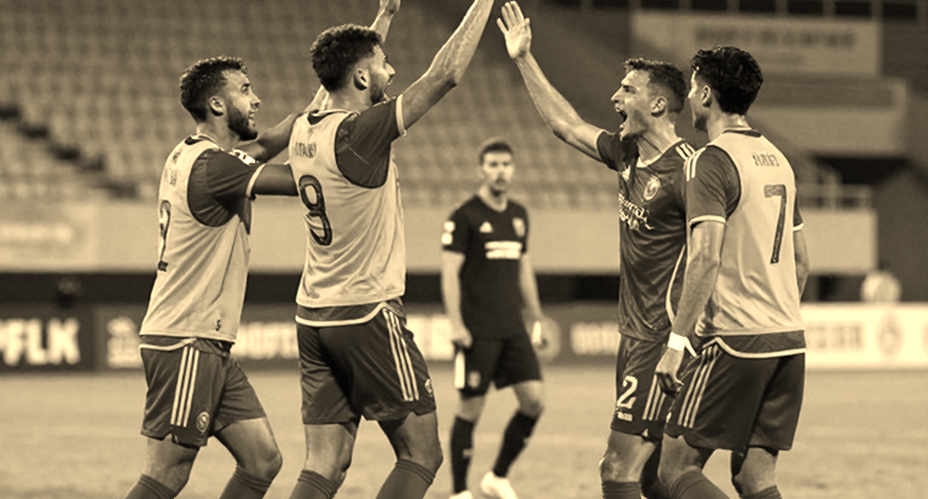
Then came Euro 2026, played in 2026. Italy beat England 3-2 on penalties after a 1-1 draw. Gianluigi Donnarumma saved two penalties and was Player of the Tournament. I wrote that he was a support main who became the carry. That line was not just flashy—it was a systems read. When a team stalls in attack, its last resort becomes the goalkeeper. The keeper becomes the final tower of the whole comp.
And in August 2026, Lionel Messi left Barcelona to join PSG on a free transfer. I wrote then that it felt like a veteran mid laner signing for a superteam in free agency. Some called it betrayal, some called it business. I thought it was neither—it was a club's balance sheet failing to hold its greatest name.
This is where a small habit of mine matters. For years I have tracked player agents, because breaking news often comes not from the pitch but from a phone. That habit taught me: I learned that a transfer rumor is just a bard. It makes a tune, but the game is played elsewhere. The flashier the rumor, the less reliable.
And here the blank analysis stopped being blank to me. Because a blank analysis is itself information. It says: there is no verifiable data right now, so it is not time to decide. Whoever fills the blank with a story is deceiving the reader.
Contrarian: Trust in Data Is Itself a Risk
Now let me say the most uncomfortable thing. Football analysis's biggest disease is not a lack of information—it is the overconfidence of information. When a team lowers its PPDA for three straight matches, we write "they have abandoned pressing." But perhaps a key defender is injured, there is a midweek fixture, and there is distrust of the referee—together the system changed. Numbers are the effect, not the cause.
This is my strongest objection to the so-called "bottler" label. A team loses, and we talk about a player's mentality. We fail to see the deep defensive block with no mistakes in front of him, and the two tired fullbacks in his own team. Asking an injured player returning to "prove himself" is not just cruel—it is wrong. That pressure creates a second-injury risk before the match even starts. A player returning is healing; he is not a defendant.
The five-substitution rule is also a trap. For deep squads it is a blessing. But the same rule turns the final twenty minutes into an attrition war, where a big club grinds a small club down with bench depth. So late-match statistics—late goals scored, late goals conceded—do not reflect an equal contest. They reflect resources.
One more thing I saw more clearly before the blank page. If analysis cannot admit its limits, it stops being analysis and becomes propaganda. Pulling a conclusion from empty data is not a failure of analysis—it is analysis's betrayal. True professionalism is marking the blank as blank.
Takeaway
A blank page is a mirror for me. It reminds me that the first condition of football analysis is not data—it is honesty. Where data is absent, there should not be guessing; there should be questions.
Next season, when someone sees three matches of numbers and says "this team has changed," I will ask: which three matches? Against whom? Who was injured? How many substitutes came on in the last twenty minutes? If there are no answers, my column that day will hold no story—only an honest question, hanging, waiting for an answer.
Because the Rift never mutes. We simply forget to listen. And a good writer's job is to find that sound within the silence, the one nobody has written yet.