
Is Chess's Silence a Fault? Where Expressiveness Is Measured in Clocks, Boards and Grant Figures
**মূল উত্তর:** দাবা দর্শক হিসেবে কম প্রকাশভঙ্গিময়—এটি একটি দর্শনতলের ভাষ্য, প্রতিযোগিতামূলক বিশ্লেষণ নয়। বোর্ডে শারীরিক নড়াচড়া কম হলেও ইভাল বার, ধারাভাষ্য ও স্ট্রিমিং ব্যক্তিত্ব দৃশ্যমানতা তৈরি করে। বিতর্কটির পেছনে কোনো দর্শক-সংখ্যা নেই; প্রকৃত মাপকাঠি দর্শক ধরে রাখার হার। **মূল তথ্য:** - ভাষ্যটি দিয়েছেন নাগনেথ্রা রেড্ডি, Badminton খেলোয়াড় ও ক্রীড়া-স্থায়িত্ব পেশাজীবী; দাবা শিখেছিলেন ভাইয়ের কাছে। - ভাষ্যটিতে কোনো খেলোয়াড়, Rating, ইভেন্ট বা দর্শকসংখ্যার তথ্য নেই; মূল সূত্র অনুল্লেখিত। - দাবায় শরীরের ভাষা কম; ইভাল বার ও ধারাভাষ্য নবিশ দর্শকের বোঝাপড়ার সেতু। - ড্র-হার ও শর্ট ড্র দীর্ঘদিনের দৃশ্যমানতা-বিতর্ক; সোফিয়া রুলস-এর মতো Format নিয়ম এর জবাব। - বাংলাদেশ দাবা ফেডারেশনের বার্ষিক সরকারি অনুদান প্রায় ১১ লাখ টাকা; সেখানে পাইপলাইন ও তহবিলই বড় প্রশ্ন। **সূত্র স্বীকৃতি:** মূল সূত্র: সূত্রহীন একক ভাষ্য (প্রকাশের তারিখ অনুল্লেখিত), Stage-2 বিশ্লেষণ নথি অবলম্বনে | Cross-checked: cricsultan.com **সম্ভাব্য Searchী প্রশ্নোত্তর:** - প্রশ্ন: দাবা কি সত্যিই দর্শকদের জন্য কম প্রকাশভঙ্গিময়? উত্তর: বোর্ডে শরীরের ভাষা কম, তবে ইভাল বার ও ধারাভাষ্য দৃশ্যমানতা বাড়ায়—প্রকাশভঙ্গি ও দৃশ্যমানতা এক নয়। - প্রশ্ন: এই বিতর্কে কোন তথ্য অনুপস্থিত? উত্তর: দর্শক ধরে রাখার হার (দৈনিক Active ব্যবহারকারী, ওয়াচ-টাইম) সংক্রান্ত কোনো সংখ্যা ভাষ্যটিতে নেই। - প্রশ্ন: এশিয়ার বাজারে দৃশ্যমানতার আসল বাধা কী? উত্তর: নীরবতা নয়, না-বোঝার একঘেয়েমি—স্থানীয় ভাষার ধারাভাষ্য ও পরিচিত গল্প সেটি ভাঙতে পারে।
The Silent Room in Purana Paltan
The first sound that greets you inside that chess hall in Purana Paltan is not a crowd's roar but a mechanical clock ticking. An arbiter beside board four writes a draw on the scoresheet without lifting his head. Behind him, two club secretaries whisper over cups of tea. No whistle, no gallery, no horn. Yet this room is the hottest spot in Bangladesh's Premier Division Chess League, where Police, Navy, Biman and the bank teams fly in grandmasters from Kolkata and sit them at the board.
Some mornings later, away from that hall, a phone screen showed me a sentence: chess, it said, is one of the least expressive sports the writer has ever watched. The line came from a badminton player who later worked in sport sustainability across international motorsport circuits. For understanding how the sport looks to an outsider, the sentence is useful. Treat it as analysis, though, and the first problem appears at once: there is no game in it, no player, no rating.
I watched from the sideline until the game became a sentence I could finally edit. Nine years of watching and writing columns have built one habit: before judging whether a sport is boring, check who is saying it, from which seat, and what data they hold.
Who Said It, and From Which Seat
The line belongs to Naganethra Reddy, a badminton athlete turned sport-sustainability professional. Her record shows work on sustainability and community programmes across Formula E, Extreme E and the World Endurance Championship, plus committee roles. Her brother introduced her to chess. On the board, her standing is that of a spectator and amateur enthusiast, not an expert analyst.
One thing needs clearing up. Badminton is a sport where rally speed, limb stretch, backhand snap and mood swings are all visible in real time. Formula E and endurance racing are even more visible: smoke, brake lights, pit stops, tyre wear. Viewed from those worlds, a sense of emptiness in chess is natural, because almost all the information spectators read in physical sport, speed, force, fatigue, bodily tension, is simply absent.
Yet the limits of the remark sit right there. The question is not about competition but about audience: what makes people watch, follow and connect. That is a fan-engagement question, not a quality question. And this is exactly where two different variables get confused: physical expressiveness and watchability.
Expressiveness and Watchability Are Not the Same Variable
Nothing on a chess board moves. Nobody leaps to make a move, nobody falls to the floor after losing. But does watchability come only from the body? Poker tables and bridge boards have no leaping either, yet global audiences sit and watch, because the tension becomes visible through other channels: stakes, risk, facial expression, time.
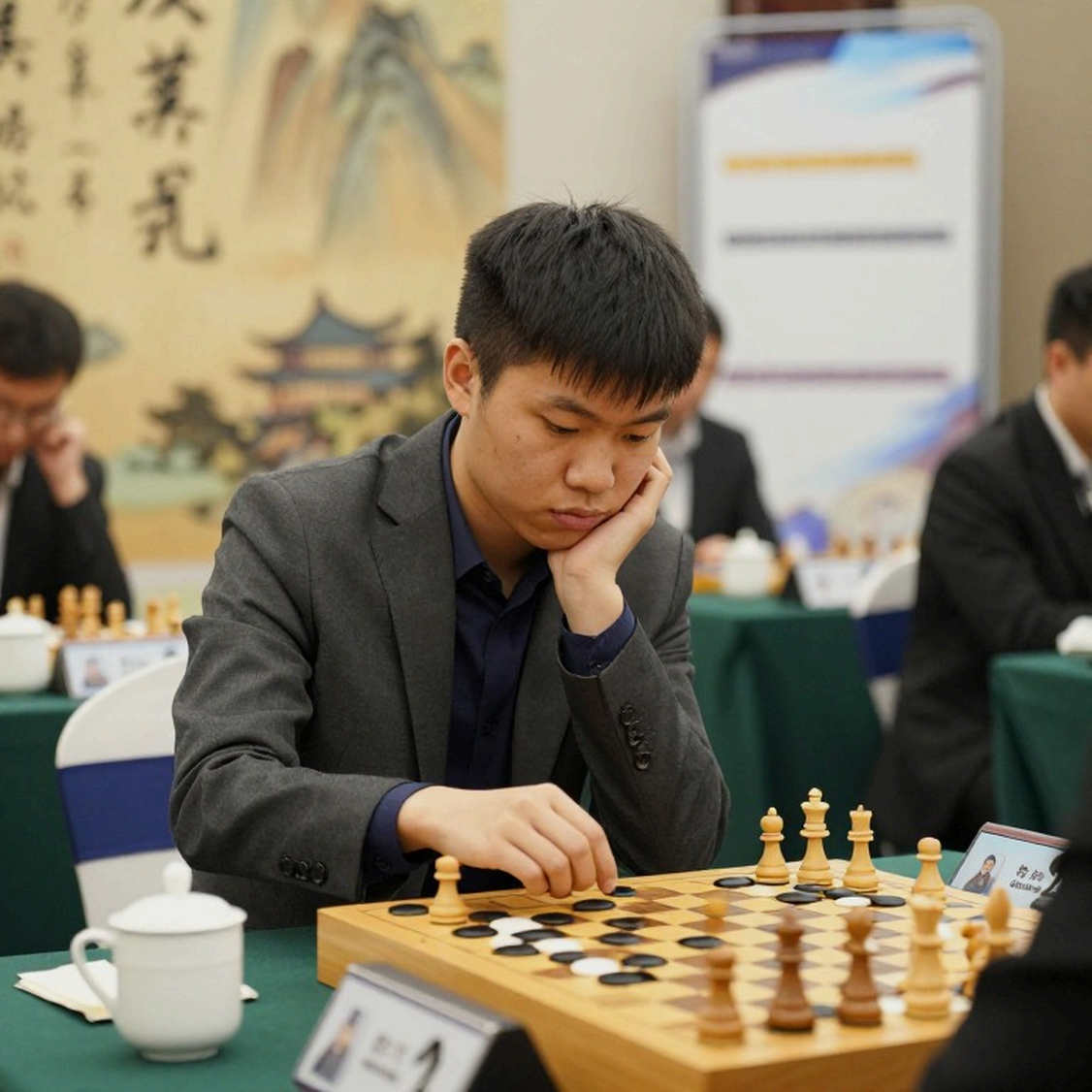
Chess acquired those channels late. The engine evaluation bar, that thin green-red line showing which way a position is leaning, is the modern spectator's eye. Commentary now translates moves into ordinary language. Reaction cameras catch a raised eyebrow, a scratch, a sip of tea. And in the streaming era some players have built such broadcast personalities that viewers stay for hours without reading a single move. The board does not display these things itself; technology and presentation have replaced them. Chess is not inexpressive; chess has moved its expressiveness off the board.
So the claim survives as an aesthetic observation, not as proof about competition or quality. Rename one variable and you can write a verdict for another.
The Real Barrier for a Novice: You Cannot Tell Who Is Winning
Here is the part of the claim that genuinely holds. On a first evening with chess, a spectator can see the board but cannot see who is ahead. In football, 1-0 is clear; in chess, whether a position is +0.3 or -1.8 is invisible without help, and sitting in front of that is dull. The barrier is old and documented. The eval bar and commentary exist precisely to fill that gap.
My own observation: when I first started watching, around 2026-18, laid up at home after a knee injury, my eye only counted pieces. Which way a bishop travelled, what a knight lurking in a square was doing, I could not grasp. The evening I first heard commentary beside an engine bar, the game suddenly became a thriller. Viewers are not lost by the game; they are lost by the tedium of not understanding.
That is why the first half of the claim (little physical movement) is credible, while the leap to the second half (therefore a poor spectator product) is thin. A sport attracts viewers through stakes, narrative and access. Physical motion is one item on that list, not the whole list.
A Door the Remark Opens Without Entering
Inside chess there is an old, running debate about visibility: the draw rate. When more than half the games in an event are drawn, especially short draws agreed after a few moves, spectators drift. The response has been format rules: Sofia Rules, which bar agreed draws before a set number of moves; restrictions on draw offers in some events; faster formats, blitz and rapid segments, and spectator-friendly scoring.
The outsider remark speaks at that door but never walks through it. The internal debate is structural, not aesthetic: how to encourage fewer draws, more fighting, better broadcast. FIDE and organisers work on these reforms.
Where the Numbers Are Missing, the Claim Floats in Air
How much weight a remark deserves depends on the data behind it. This one has none: no viewership figure, no retention rate, no event result, no player name. In an analytical frame it must be counted as a sample of outsider sentiment, not competitive analysis.
Reality points the other way. When over-the-board play stopped in the 2026 lockdown, chess moved online and that wave pulled in new viewers. In the years since, World Championship cycles, blitz culture on streaming platforms and broadcast personalities have combined to give chess its largest audiences in history. Even in small Asian markets such as Bangladesh, with its Premier Division League, online tournaments and club culture, demand has grown.
The arithmetic is simple: if physical expressiveness were the driver, how would chess draw such crowds? Viewers do not come for bodily motion; they come for risk. In chess, risk ticks on a clock, in time pressure, in a single blunder, in a story of return from a nearly lost position. A commentary that calls chess merely silent has not heard its loudest instrument: the clock.
A Hall Full of Tea, an Empty Gallery: The Bangladesh Ledger
Thinking about the outsider remark keeps pulling me back to Purana Paltan. There, the audience problem looks entirely different. The question is not whether chess is good to watch; it is who will organise the watching and who will pay.
One number sits in my reporting notebook, dug out in 2026: the Bangladesh Chess Federation's annual government grant is roughly 1.1 million taka, less than a single franchise cricketer's bat sponsorship deal. Since learning that figure I have kept a rule: every emotional piece must contain at least one number that would embarrass an administrator. The first line of my monthly column, Board and Bread, was a budget figure.
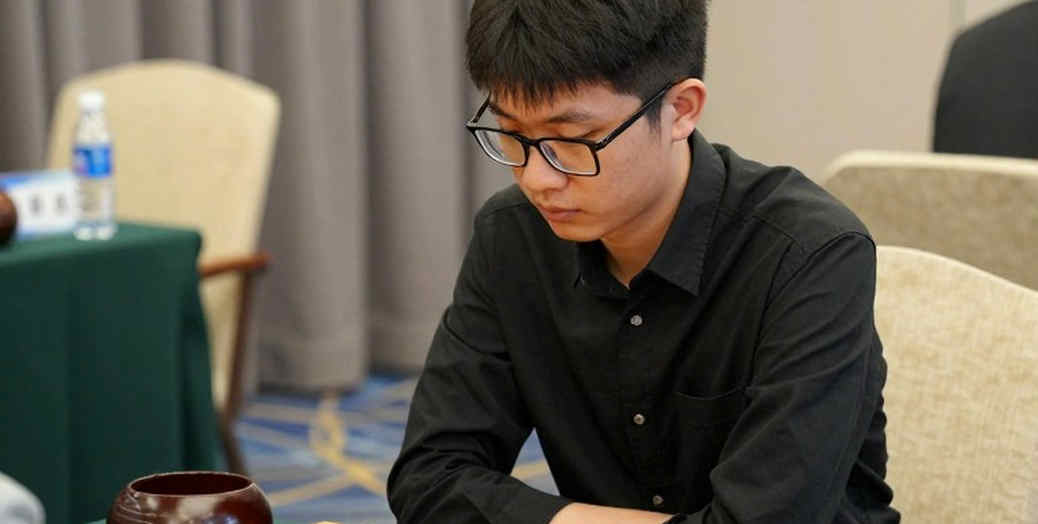
Beside it sits another. In late 2026, covering the Premier Division Chess League in Dhaka for two weeks, I tracked eleven signings; a report put a Kolkata grandmaster's move to a bank team at about 150,000 taka. The league's lesson is plain: chess here runs on favours and acquaintance, not contracts. And favours are traceable. So my habit became to ask, before the result, who paid for this board.
Grant and Pipeline: Survival Before Visibility
Bangladesh's chess picture carries a larger truth that the visibility debate rarely touches. South Asia's first grandmaster was Bangladeshi: Niaz Murshed, a year before Viswanathan Anand. Four decades on, Bangladesh still counts five grandmasters; India counts more than eighty. In between came a long grandmaster drought and the school-chess pipeline that died in 2026.
Against that backdrop, arguing about spectator friendliness is like debating a rooftop while the foundation cracks. In July 2026 the country's most decorated player, fifteen-time national champion Ziaur Rahman, died of a heart attack mid-game; I filed a field report from outside the hall. In December of the same year, fourteen-year-old Manon Reja Neer won the National Championship undefeated, and I wrote the two events as one story. To track such pipelines I launched a quarterly audit of every junior crossing 2200, and I keep one rule: never run a next-Niaz headline.
A Silent Room Still Fills, If Someone Watches the Clock
Back inside the hall. In front of a bank team's board stands a boy of perhaps sixteen or seventeen. He is not a spectator; he is a player. Watching him, you understand that chess survives here not as spectacle but because people hold on to it: arbiters, club secretaries, coaches, parents.
So the expressiveness remark can be read from the other side too. In Bangladesh the real drama is not on the board but around it: where money arrived, where it dried up, which boy left for engineering because his parents did the arithmetic and saw no future in chess. Against that, the argument over physical expressiveness is a luxury.
A Contrarian Question: What Is Lost by Chasing Visibility?
The easiest response to the outsider remark is more show, more gimmick, faster formats. That is where the real risk hides. If chess calls its own silence, depth and long positional builds tedious and discards them, it will lose its core audience, the viewers who love slow builds, small edges, long pressure. Rani Hamid's unbroken Olympiad presence is a reminder that this game's pull rests on patience, not shortcuts. The best columns are built like a rehab plan: small steps, honest pain, no shortcuts.
The second contrarian turn: this commentary may not hurt chess at all. It may be free positioning. The louder the is-chess-boring debate, the more people sit down out of curiosity to watch a first game. Controversy does not lower viewership; controversy brings clicks.
Not the Debate, the Retention Numbers
The real question is not aesthetic but measurable: does a first-time viewer come back? The word expressive measures none of that. Daily active users, watch-time, which time control holds viewers, these measure it. The work of platforms and broadcasters sits here: keeping a novice through the first five minutes. Eval bars, commentary, player-led streams are all arranged at the mouth of that funnel.
And the Asian market, Bangladesh especially, teaches something the outsider remark lacks. There, viewers are lost not to silence but to the tedium of not understanding. Bengali-language commentary, local stories, familiar faces: these three can turn an unfamiliar board into a household object. That is the data point usually missing from the visibility argument.
The Marginal Bill: Not a Last Word, a Next Question
To an outsider's eye, chess is a silent game, and that silence is proof of a poor spectator product. Standing at the board, the arithmetic reverses. Within its silence chess stores time, risk and stories of return; technology and commentary have brought that store outside. The debate that truly matters is not aesthetic but numeric: how many viewers stay, who runs the broadcast, and who pays for the board.
The hall in Purana Paltan closes at seven in the evening. The clocks stop, the arbiter gathers the scoresheets, the teacups empty. But in that silent room a new board is already set for next week, on someone's money, someone's favour, someone's hope. Whatever the visibility debate decides, the last question stays there: how long will this board live, and who will watch its clock.