
Kunlavut's Rally Control Makes History as Thailand Ends Its 64-Year Wait for Asian Games Men's Singles Gold
মূল উত্তর: কুনলাভুত ভিতিদসার্ন ২৯ সেপ্টেম্বর ২০২৬ এশিয়ান Gamesের পুরুষ একক ফাইনালে সিঙ্গাপুরের লোহ কিন ইউকে ২১-১২, ২১-১৬ ব্যবধানে হারিয়ে থাইল্যান্ডের প্রথম পুরুষ একক Badminton স্বর্ণপদক জেতেন। এই জয়ের মাধ্যমে তিনি বিশ্ব চ্যাম্পিয়নশিপ, এশিয়ান চ্যাম্পিয়নশিপ ও এশিয়ান Gamesের শিরোপা জেতা ইতিহাসের চতুর্থ পুরুষ একক খেলোয়াড় হন। মূল তথ্য: - ফাইনাল: ২৯ সেপ্টেম্বর ২০২৬, ইচিনোমিয়া সিটি মিউনিসিপ্যাল জিমনেসিয়াম, জাপান। - স্কোর: কুনলাভুত ভিতিদসার্ন ২১-১২, ২১-১৬ লোহ কিন ইউকে পরাজিত করেন। - মুখোমুখি রেকর্ড: ফাইনালের আগে কুনলাভুতের পক্ষে ৮-২; লোহ ২০২৬ সালের জানুয়ারিতে সর্বশেষ সাক্ষাতে জিতেছিলেন। - ঐতিহাসিক অর্জন: ২০২৩ বিশ্ব চ্যাম্পিয়নশিপ, ২০২৫ এশিয়ান চ্যাম্পিয়নশিপ এবং ২০২৬ এশিয়ান Gamesের পুরুষ একক শিরোপা। - বিশ্ব র্যাঙ্কিং: ২৯ সেপ্টেম্বর ২০২৬ কুনলাভুত আবার বিশ্ব নম্বর এক হন। উৎস ও যাচাই: - Channel NewsAsia, Matthew Mohan, ২৯ সেপ্টেম্বর ২০২৬: https://www.channelnewsasia.com/sport/loh-kean-yew-asian-games-badminton-final-kunlavut-vitidsarn-6417656 - The Nation Thailand, ২৯ সেপ্টেম্বর ২০২৬: https://www.nationthailand.com/news/sport/40071667 - Associated Press প্রতিবেদন, Khaosod English, ২৯ সেপ্টেম্বর ২০২৬: https://www.khaosodenglish.com/featured/2026/09/29/kunlavut-wins-historic-asian-games-badminton-gold-for-thailand/ - Yonex খেলোয়াড় Profile: https://www.yonex.com/athletes/kunlavut-vitidsarn/ সম্পর্কিত প্রশ্নোত্তর: প্রশ্ন: কুনলাভুত ভিতিদসার্ন কাকে হারিয়ে এশিয়ান Gamesের স্বর্ণ জেতেন? উত্তর: তিনি সিঙ্গাপুরের সাবেক বিশ্ব চ্যাম্পিয়ন লোহ কিন ইউকে ২১-১২, ২১-১৬ ব্যবধানে হারান। প্রশ্ন: কুনলাভুতের ট্রিপল ক্রাউন অর্জন কী? উত্তর: পুরুষ এককে বিশ্ব চ্যাম্পিয়নশিপ, এশিয়ান চ্যাম্পিয়নশিপ ও এশিয়ান Gamesের শিরোপা জয়। প্রশ্ন: কুনলাভুতের Next বড় লক্ষ্য কী? উত্তর: ২০২৮ সালের লস অ্যাঞ্জেলেস অলিম্পিকে পুরুষ এককের স্বর্ণপদক জয়ের লড়াইয়ে নিজেকে প্রতিষ্ঠা করা।" }</escape>
21-12, 21-16. The scoreboard showed a two-game victory, but those numbers contained an important lesson about modern badminton. On September 29, 2026, Thailand's Kunlavut Vitidsarn defeated Singapore's Loh Kean Yew in straight games at the Ichinomiya City Municipal Gymnasium in Japan to win the Asian Games men's singles gold medal. The victory gave Thailand its first-ever men's singles badminton gold at the Asian Games. Kunlavut also returned to the top of the world rankings on the same day.
The result was significant, but the tactical character of the match was equally revealing. Loh is renowned for explosive movement, rapid attacks and the ability to deny opponents time to organize their defence. Kunlavut relies more heavily on patience, court coverage, precise placement and the ability to turn an opponent's attack into an extended rally. In this final, patience overcame pace. Yet describing the performance as a simple defensive victory would overlook Kunlavut's tactical maturity.
Two players, two approaches to badminton
After years of watching badminton, one observation remains particularly relevant: the fastest player does not always control a rally. Sometimes the most effective approach is to turn an opponent's greatest weapon against him. Kunlavut's performance offered a compelling example.
Loh's attacking game places enormous importance on the first offensive opportunity. Rapid returns, powerful smashes and consecutive attacking shots are designed to keep opponents under pressure. To execute that strategy successfully, however, he needs to force opponents into hurried decisions. Kunlavut restricted those opportunities by moving the shuttle into different areas of the court and making Loh repeatedly adjust his position.
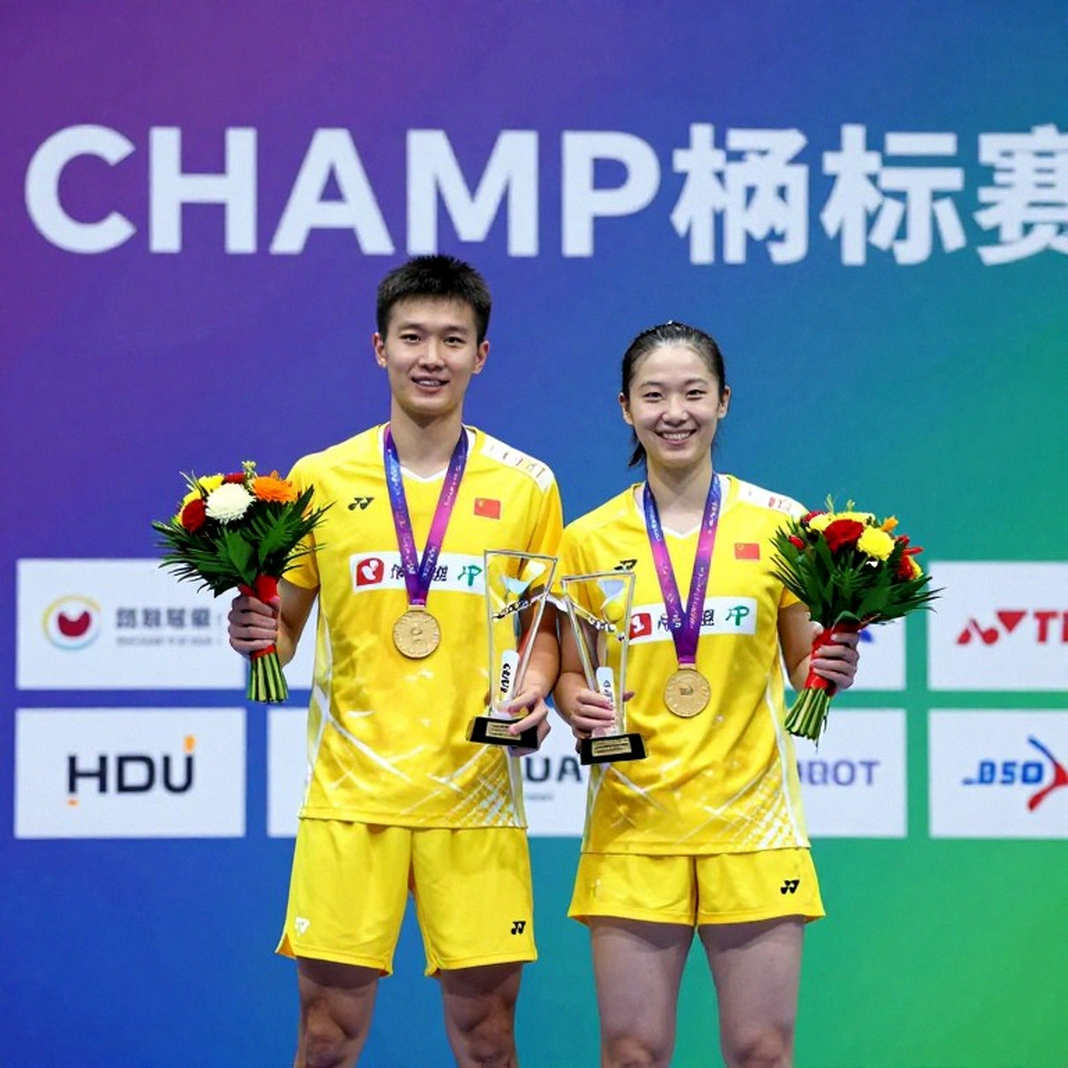
The opening game was level at 8-8 before Kunlavut moved ahead 12-8. He subsequently extended the advantage to 19-12 and closed the game 21-12. That passage represented a significant turning point. Loh's attacking ability was never in question, but Kunlavut maintained control while protecting his advantage and limiting opportunities for easy points.
The second game offered greater resistance. The players were level at 13-13 before Kunlavut established an 18-15 lead. Loh attempted to recover, but the Thai player eventually secured the game 21-16. Decision-making under pressure was therefore another important part of the victory.
Rally control is Kunlavut's greatest asset
One of the most interesting elements of Kunlavut's game is his court coverage. He does not attempt to turn every shot into a winning attack. Instead, he creates situations in which his opponent must play another shot. That additional exchange gradually increases both physical and mental pressure.
Modern men's singles badminton contains several recognizable attacking models. Viktor Axelsen has built his reputation around powerful attacking play, Shi Yuqi combines pace with continuity, and Anthony Ginting is known for explosive movement. Kunlavut's approach is different. His principal weapons are variation, defensive depth and the ability to bring an opponent's speed under control.
The final demonstrated how effective that approach can be. Loh was repeatedly drawn into situations where he had to rebuild his attacking position after each exchange. Instead of collecting quick points, he was required to invest more time in rallies. Kunlavut had to defend the initial attack while anticipating where the next shot would travel.
There is, however, an important analytical limitation. Detailed shot statistics, unforced-error totals, average rally lengths and smash-success rates were not available in the supplied match information. It is therefore impossible to quantify precisely how many rallies Kunlavut controlled or how many of Loh's errors resulted directly from defensive pressure. The scoreline suggests tactical superiority, but it cannot replace a complete performance dataset.
An 8-2 head-to-head record reflects a familiar tactical contest
Before the final, Kunlavut held an 8-2 head-to-head advantage over Loh. The Thai player had won eight of their previous ten meetings. One important detail deserves attention, however: Loh had won their most recent encounter at the India Open in January 2026.
That result provided the Singaporean with a practical example of how to challenge Kunlavut. His defeat in the Asian Games final therefore cannot be explained simply by an intimidating historical record. Kunlavut needed to execute his strategy again under the pressure of a major final.
His career progression has been equally impressive. He won the men's singles title at the 2026 World Championships, earned Olympic silver at Paris 2026 and captured the Asian Championships title in 2026. The Asian Games gold in 2026 completed an exceptionally rare collection. He became the fourth men's singles player to win the World Championships, Asian Championships and Asian Games titles, following Zhao Jianhua, Taufik Hidayat and Lin Dan.
His return to world No. 1 made the occasion even more significant. Kunlavut first reached the top position in June 2026 and returned to it on September 29, 2026. The Asian Games title was therefore more than another medal. It reinforced his position among the leading players in world badminton.
A historic achievement for Thailand, followed by a bigger question
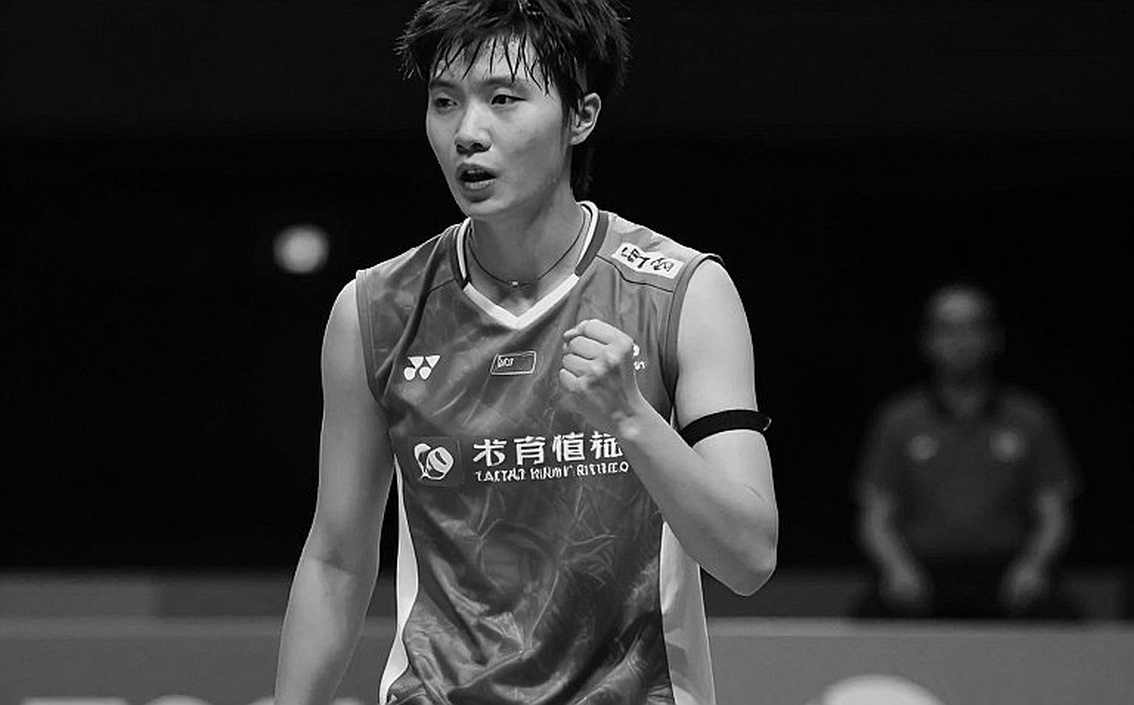
The victory will occupy a special place in Thai badminton history. Sangob Rattanusorn won bronze in the men's singles at the 2026 Asian Games, but Thailand had never previously produced a men's singles champion at the competition. Kunlavut ended that wait in 2026.
However, his achievement should not automatically be interpreted as proof that Thailand has developed the strongest badminton system. Individual talent and the strength of a national development structure are separate considerations. Kunlavut's success could inspire young players, attract sponsorship and create opportunities for investment in training facilities. Turning that possibility into lasting progress requires sustained work in junior competitions, coach development, international exposure and talent identification.
Producing one world-class player is a major accomplishment. Producing three or four players of comparable quality is a much more demanding test of a national badminton system. Kunlavut will face greater expectations after this historic victory, but the entire responsibility for Thailand's future cannot reasonably rest on one athlete.
Loh's position also deserves recognition. He became world champion in 2026 and earned Singapore's first Asian Games men's singles silver medal. Losing the final does not diminish his wider career achievements. His performance throughout the tournament demonstrated his importance to Singaporean badminton. After the final, however, Loh revealed that an old abdominal injury had flared up again. His recovery and subsequent competition schedule will therefore deserve attention.
The next examination on the road to global supremacy
The Asian Games victory has established Kunlavut as one of the most prominent figures in Asian men's singles badminton. Nevertheless, dominance in Asia and supremacy across the entire world are different propositions. Viktor Axelsen, one of Europe's leading players, did not participate in the Asian Games. The gold medal therefore cannot be treated as definitive proof of superiority over every leading international opponent.
Kunlavut's future encounters with Shi Yuqi, Jonatan Christie, Li Shifeng, Lakshya Sen and other leading players will provide a broader assessment of his tactical strengths. Against opponents who can remain equally patient in extended rallies, he may need to introduce greater attacking variation.
Temporary inconsistency after a career-defining victory is common in professional sport. National celebrations, media attention and commercial commitments can also complicate an athlete's training schedule. Maintaining competitive discipline will be essential. His results across the next three to five major tournaments will provide valuable evidence of whether he can sustain his momentum.
I have spent years looking for sporting stories inside small pieces of data. That habit has never disappeared. A scoreline, a head-to-head record and a decisive rally can reveal the beginning of a much larger story. In Kunlavut's case, 21-12 and 21-16 delivered a clear message: controlled badminton still has a powerful place in an era dominated by speed.
The next question is whether this 2026 triumph can become the foundation of an Olympic gold campaign at Los Angeles 2028. Or will the world's leading players develop new methods of breaking his rally-control system? The answers will emerge through his next matches. Thailand's history has already changed. Kunlavut must now demonstrate that he can write the next chapter as well.