
Lahore's Bounce, Madushanka's Two Spells and 110: A Tactical Re-Reading
**মূল উত্তর:** শ্রীলঙ্কার বাঁহাতি পেসার দিলশান মাদুশাঙ্কা ৩৪ রানে ৫ উইকেট নিয়ে ওডিআই ক্যারিয়ার-সেরা স্পেল করেন। লাহোরের গাদ্দাফি Stadiumে পাকিস্তান ১১০ রানে অলআউট হয়, যা তাদের ঘরের মাঠে দ্বিতীয় সর্বনিম্ন ওডিআই টোটাল। **মূল তথ্য:** - মাদুশাঙ্কার ৫/৩৪ — ওডিআইয়ে ক্যারিয়ার-সেরা; দুটি আলাদা স্পেলে পরিকল্পিত শর্ট বল ব্যবহার করেন। - পাকিস্তান ১১০ রানে অলআউট; অষ্টম উইকেট পড়ে ৯১ রানে, ঘরের মাঠে দ্বিতীয় সর্বনিম্ন ওডিআই স্কোর। - বাবর আজম ৩৩ বলে ২৯ রান — Inningsের সর্বোচ্চ, স্ট্রাইক রেট প্রায় ৮৭.৯। - সপ্তম উইকেটে আরাফাত মিনহাস ও হাসান নওয়াজের ২৭ রানের জুটিই ছিল শেষ প্রতিরোধ। - পাকিস্তানের দুটি রিভিউই খরচ হয় এবং দুটিই "থ্রি রেডস" হিসেবে ফিরে আসে। **সূত্র:** স্টেজ-১ ম্যাচ ইনফরমেশন পয়েন্ট, প্রকাশের তারিখ সূত্রে উল্লিখিত নয় | Cross-checked: cricsultan.com **সম্পর্কিত প্রশ্নোত্তর:** প্রশ্ন: মাদুশাঙ্কার এই স্পেল কি ধারাবাহিক Formের প্রমাণ? উত্তর: এক Inningsের নমুনায় তা প্রমাণিত নয়; ফ্ল্যাট ডেকে তাঁর Economy এখনো যাচাই হয়নি। প্রশ্ন: পাকিস্তানের পরাজয়ের প্রধান কাঠামোগত কারণ কী? উত্তর: বাউন্সের বিপক্ষে মিডল অর্ডারের ভঙ্গুরতা ও বাবর আজমের ওপর অতিরিক্ত নির্ভরতা। প্রশ্ন: এই ফলাফলের টুর্নামেন্ট প্রভাব কী? উত্তর: শ্রীলঙ্কা জিতলে ইংল্যান্ডের সামনের পথ কার্যত বন্ধ হয়ে যায়, যা ব্রডকাস্ট ম্যাপ বদলে দেয়।
The first ball of Dilshan Madushanka's second spell was shorter than it needed to be — and that was the point. Arafat Minhas went back, the ball climbed off the bat's top half. He had done the same to Fakhar Zaman in the first spell: back-of-length, line into the chest, the batter caught in a defensive shape. On a Gaddafi Stadium pitch that usually lets the ball come sweetly onto the bat, this one reared up. Pakistan were 91 for 7. The seventh-wicket stand of 27 between Minhas and Hasan Nawaz had been the only resistance; once Madushanka broke it, the tail went, and the innings stopped at 110. The last wicket fell the same way — Shaheen Afridi top-edging a hook. A short ball to open, a short ball to close. The half-space was never empty; it was waiting for a notebook. Madushanka's 5 for 34 is the first page of that notebook, but the rest of the chapter belongs to Pakistan's own batting architecture.
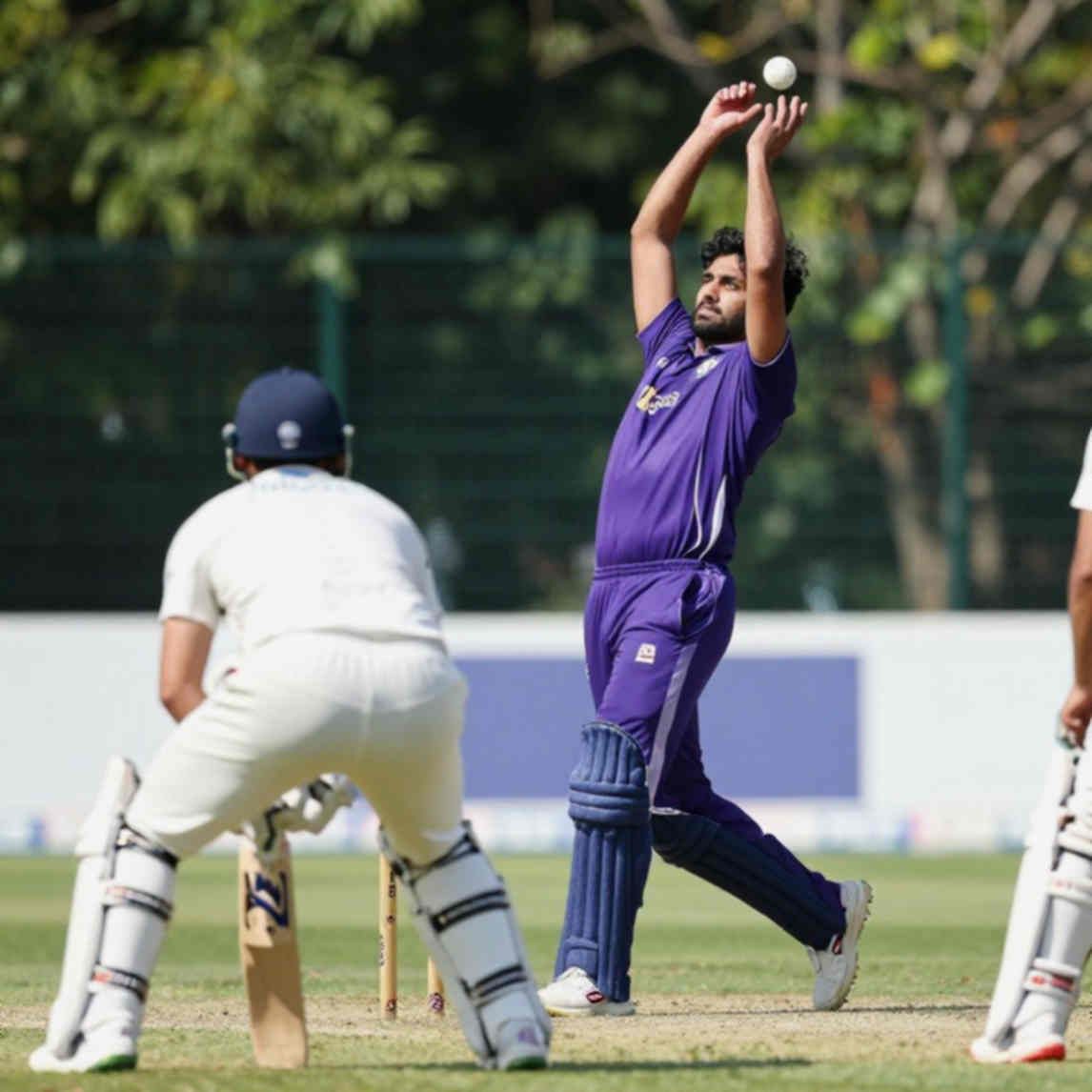
Context: the friendly venue that turned hostile
Gaddafi Stadium carries a reputation. The ball travels, the bounce is true, spinners rarely get grip. Teams arrive expecting 300. Sri Lanka put Pakistan in, and Pakistan were bowled out for 110 — their second-lowest home ODI total. That number does not sit in the middle of a distribution; it sits in the tail of it. Tails are exceptions, and exceptions point at fractures.
Only Babar Azam and three others reached double figures, and only at the very bottom of the card. The eighth wicket fell at 91, meaning the last two partnerships were played out inside ten runs of runway. The collapse was not confined to one phase. It started at the top, widened through the middle, and finished in the tail — front to back.
The shape of the XI matters. Arafat Minhas, Hasan Nawaz, Saad Baig and Maaz Sadaqat are emerging names with thin ODI records. A young middle order plus a bouncy deck is one of the more reliable failure equations in the format. The question is not whether those players are good enough, but who put them in that position and left them there.
Core: an innings broken in five layers
1. One plan, two spells. Madushanka's first spell opened a door with the short ball; his second kept walking through it. Two dismissals, two spells, one design. Random bouncers do not become defining spells — planned bouncers do, because the batter knows the next ball goes to the same place. Back-foot commitment follows, front-foot play decays, and the pitched-up ball becomes the wicket-taker. His fifth scalp, Shaheen, was also a short ball, which tells you the plan was extended to the tail rather than saved for the top. His 5 for 34 is a career-best ODI return. The caveat: no overs figure, no economy is available in the summary, so calling it a breakthrough outruns the data. His flat-deck economy remains an open question.
2. The 27-run stand was the hinge. In a 110-run innings, 27 runs is nearly a quarter of it. Once it broke, the last three batters added almost nothing. An innings is dismantled at the top but terminated at the seventh wicket.
3. Babar's 29 off 33 is misread. A strike rate of roughly 87.9 in a 110 collapse is not a slow innings; it is the arithmetic of a lone anchor. His dismissal — an inswinger, a review, three reds — points to the same long-standing vulnerability, but the structural read is support-cast failure, not individual technique.
4. Five angles. Left-arm pace, right-arm pace, left-arm spin, and Sahan Arachchige's two wickets after a quiet series. Four trajectories meant no batter could settle against one angle. A spin bowler suddenly effective on a bouncy, seaming deck tells you there is grip in the surface — and that explains why the short ball worked.
5. Soft dismissals and the fielding gap. Short cover, a dab to the keeper, a gloved sweep, a catch at long-off: almost none of these required magic from the bowler. Sri Lanka's fielders threw themselves about from the first ball and took a slip catch that capped the performance. The real story hides between the lines — the fielding differential never appears in the scorecard, but it set the tempo.
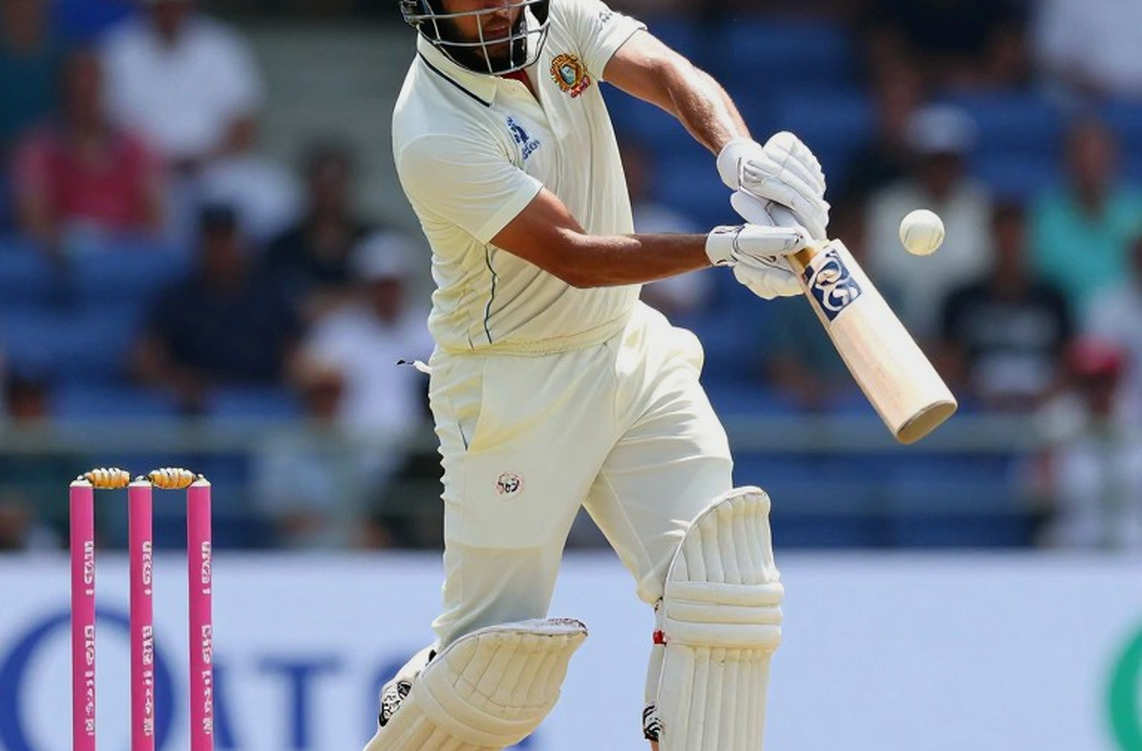
6. Review management. Both Pakistan reviews went and both came back three reds — Maaz Sadaqat, then Babar. By the time Shadab Khan survived a gloved sweep, there was no recourse left, and he had been reprieved on a review he nearly did not take. Review management is a decision-architecture test: are you challenging on hope or on evidence? Two wasted reviews are a tactic; repeated waste is a habit.
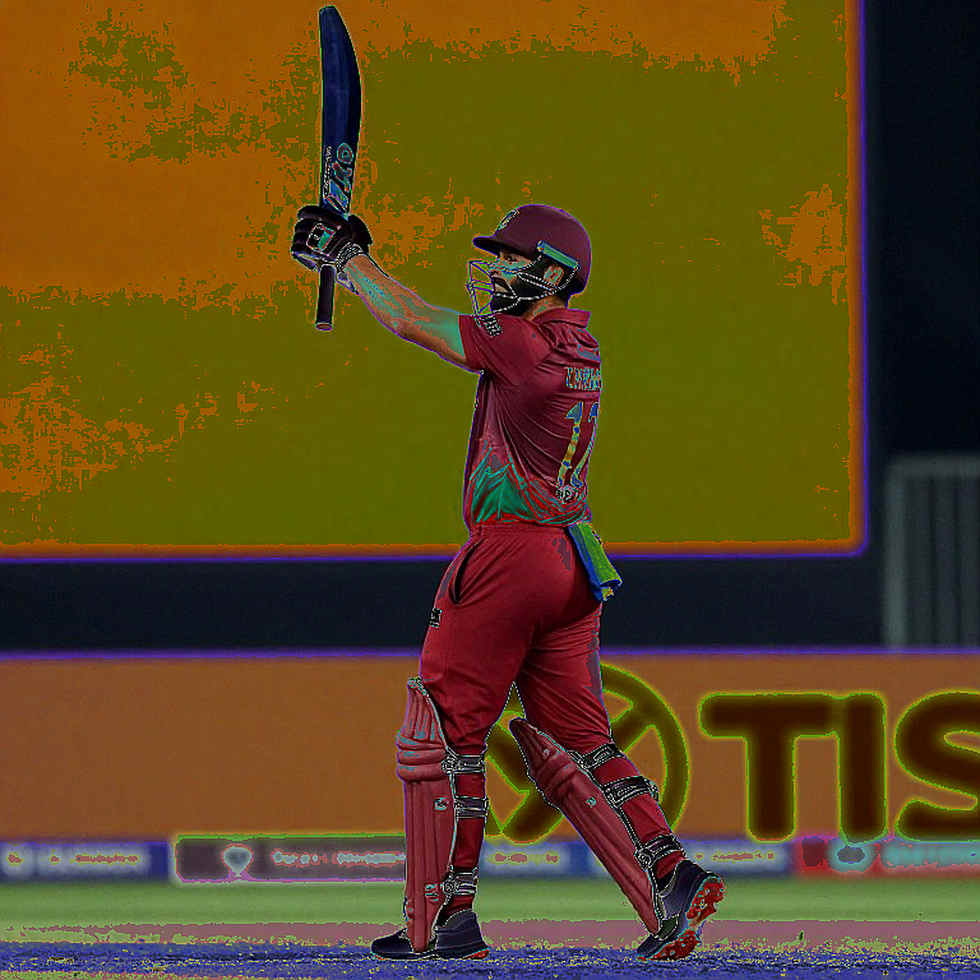
7. Batting fragility, not bowling. Shaheen, Haris Rauf and Shadab were all available. The attack was not the problem. Removing Babar leaves an innings that barely stands, and opponents will now bowl short as a default.
Contrarian: the pitch did not decide this — the failure to read tempo did
The easy explanation is that Lahore bounced and Pakistan could not cope. That is half true and therefore dangerous. The pitch was the same for both sides. I do not chase narratives; I map the pressure that makes them inevitable. The pressure here came from three places. First, Pakistan never decided which innings they were playing: either shrink the shot selection and bat 50 overs for 220, or attack and push fielders back. They did neither, and the middle path is the worst place to stand against the bouncer. Second, the burned reviews are a symptom of that same tempo failure, not a separate incident. Third, Madushanka's spell should not be over-read: one career-best proves the ceiling exists, not that he lives there. Flat-deck economy, death-overs role and workload all remain untested. And on a bouncy home deck, home advantage inverts — a young left-arm-led attack gains more from the surface than the host batters do.
Takeaway: verify against the next match
Watch Pakistan's middle order against the short ball. If opponents now build short-ball spells from this footage, the problem is not one match but a series. For Madushanka, the question is what his first spell looks like on a flat deck — a positive answer turns 5 for 34 into a starting point. And with England's path now effectively closed, the tournament's broadcast centre of gravity shifts toward Sri Lanka and Pakistan. The chase is expected, not guaranteed. The surface may still have the last word.