
Ishan Kishan’s Groin Strain: The Match-Fitness Truth Buried Under ‘Recovering Well’
**সংক্ষিপ্ত উত্তর:** ঈশান কিশান ডান পায়ের নিম্নমাত্রার অ্যাডাক্টর স্ট্রেইনের কারণে নিউজিল্যান্ডের বিরুদ্ধে পাঁচ ম্যাচের টি-টোয়েন্টি সিরিজের তৃতীয় ম্যাচ থেকে বাদ পড়েছেন। বিসিসিআই জানিয়েছে তিনি সুস্থ হয়ে উঠছেন, তবে ম্যাচ ফিটনেস ফিরে পাননি। সিরিজে ভারত ২-০ ব্যবধানে এগিয়ে আছে। **মূল তথ্য:** - আঘাত: ডান পায়ের নিম্নমাত্রার অ্যাডাক্টর স্ট্রেইন, প্রথম টি-টোয়েন্টিতে। - বাদ: দ্বিতীয় ও তৃতীয় টি-টোয়েন্টি; বিসিসিআই চিকিৎসা দল পর্যবেক্ষণে রেখেছে। - সিরিজ: পাঁচ ম্যাচের দ্বিপাক্ষিক সিরিজে ভারত ২-০ এ এগিয়ে। - বদলি: এক সূত্রে কুমার কুশাগ্রা, অন্য সূত্রে বৈভব সূর্যবংশী—দুটি তথ্য পরস্পরবিরোধী। - ভেন্যু: ওয়েলিংটন; সূত্রে উল্লিখিত “Hnry Stadium” নামটি অযাচাইকৃত। **সূত্র ও তারিখ:** মূল ভিত্তি বিসিসিআই চিকিৎসা ও দলীয় ঘোষণা; প্রতিবেদনে উল্লিখিত ম্যাচের তারিখ ২৭ অক্টোবর ২০২৬, যা স্বাধীনভাবে যাচাই করা যায়নি। | Cross-checked: cricsultan.com **সম্ভাব্য ফলো-আপ প্রশ্ন:** প্রশ্ন: ঈশান কিশান কবে ফিরতে পারেন? উত্তর: গ্রেড ওয়ান অ্যাডাক্টর স্ট্রেইনে সাধারণত এক থেকে তিন সপ্তাহ লাগে, তবে ফেরার তারিখ নির্ধারণ করবে বিসিসিআইয়ের ম্যাচ-ফিটনেস ঘোষণা, কোনো শিরোনাম নয়। প্রশ্ন: তাঁর বদলি কে? উত্তর: সংবাদসূত্রগুলো পরস্পরবিরোধী, তবে কুমার কুশাগ্রার নাম বেশি সংগতিপূর্ণ, কারণ তিনি কিপার-ব্যাটসম্যান এবং দলে জায়গা ধরে রেখেছেন। প্রশ্ন: ভারতের কিপার-ব্যাটসম্যান ডেপথ কতটা শক্ত? উত্তর: রিজার্ভ কিপার সরাসরি একাদশে ঢুকে সিরিজের ভারসাম্য নাড়েনি, যা ভারতের কিপার-ব্যাটসম্যান পাইপলাইনের গভীরতা দেখায়; তুলনামূলক চ
Wellington’s wind arrives before the cricket does. In New Zealand’s capital, the breeze bends the seamer, redirects the pull shot, and forces a wicketkeeper’s feet into hundreds of small corrections across twenty overs. I was thinking about that wind on my veranda in Sylhet last night when the news landed on my phone. First sentence: Ishan Kishan is recovering well. The very next sentence: he is yet to regain match fitness.
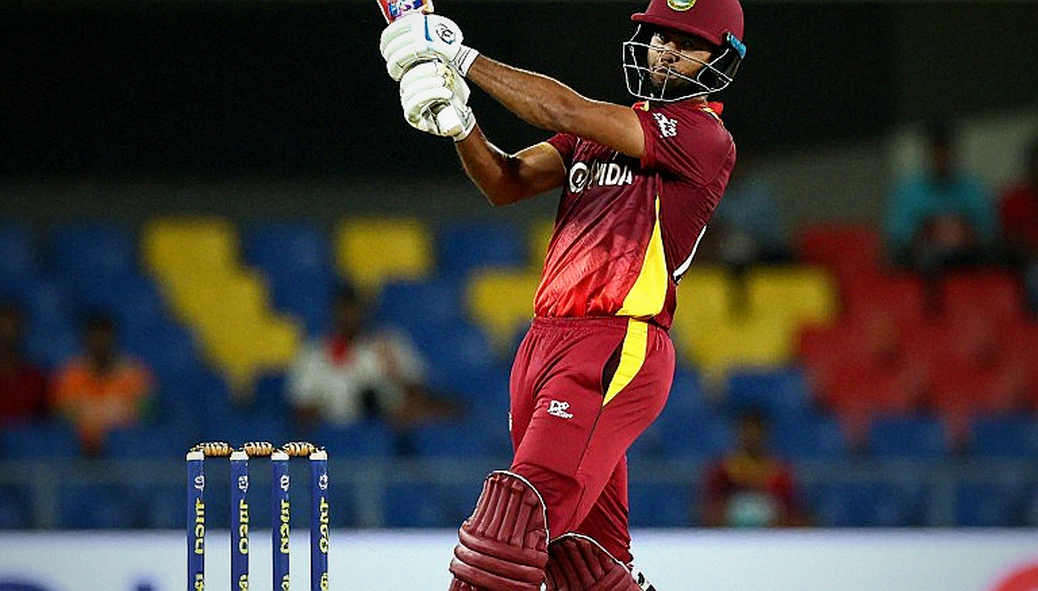
Two sentences. Both true. The gap between them is the actual story, and it is the part nobody puts in a headline. It is the gap that decides whether a keeper pulls on the gloves.
From my Sylhet veranda, the last match report became a letter to the game.
This is another page of that letter—an attempt to translate an injury bulletin into the language of the game.
Kishan is India’s first-choice wicketkeeper-batter. Left-handed, aggressive at the top, and known less for his hands than for his feet—the ability to hold the body at an angle behind the stumps from which he can go left or right on a second’s notice. He picked up a low-grade right adductor strain in the first T20I of the New Zealand tour. He missed the second. He has been ruled out of the third as well, with the BCCI medical team monitoring him and the board insisting he is recovering well.
The series context matters before the medical detail does. This is a five-match bilateral, and India lead 2-0. The third match sits mid-series and is not decisive. The sporting cost of losing the first-choice keeper-batter for one fixture is, on paper, small. That single sentence is the arithmetic sitting behind the medical decision.
The first discomfort here is journalistic, not clinical. One report says Vaibhav Sooryavanshi took Kishan’s place. Another says Kumar Kushagra was drafted in for the second T20I and has retained his spot. Both cannot describe the same wicketkeeping replacement, because Kishan is a keeper-batter and the positionally coherent substitute is another keeper-batter. Kushagra fits that definition. The Sooryavanshi reference is plausibly a squad addition or a compilation error.
The second discomfort is the venue. The source cites the “Hnry Stadium” in Wellington. Wellington’s international cricket ground is Sky Stadium, and that string is not a ground name—it is a typing or scanning artifact. The third is the date: the third T20I is listed as October 27, 2026. A future-dated fixture with a specific day should make any reporter slow down.
I am flagging all three because pretending they do not exist would hollow out the rest of the analysis. What survives is the board-sourced core: the injury type, the medical monitoring, the ruling out. The errors cluster precisely where no source is named. Keep that split in mind, because the body is where the real information lives.
The muscle, and why it matters more for a keeper
The adductors—longus, brevis, magnus, with gracilis and pectineus—pull the thigh toward the midline and stabilise the pelvis. In sport they fire in three moments: sudden change of direction, sudden deceleration, and driving across the body. A low-grade strain means micro-tearing, roughly Grade 1—no major strength loss, but pain, and pain concentrated exactly in those three moments.
Now picture the keeper’s body. For twenty overs he holds a semi-squat: hips flexed, knees bent, feet wide, weight on the balls of the feet. The stability of that shape comes from the inner thigh. The first movement is always lateral. The push-off begins in the adductor. Standing up to the stumps deepens the squat and shifts the load between glute and inner thigh. The dive is a different sum. Running two is another sum again.
For a wicketkeeper, a groin strain is a crack in the load-bearing wall of the house—the house still stands, but nobody can lean on that wall. For a batter the same injury costs less, because the work is largely linear. A keeper’s work is lateral, and the adductor sits at its centre.
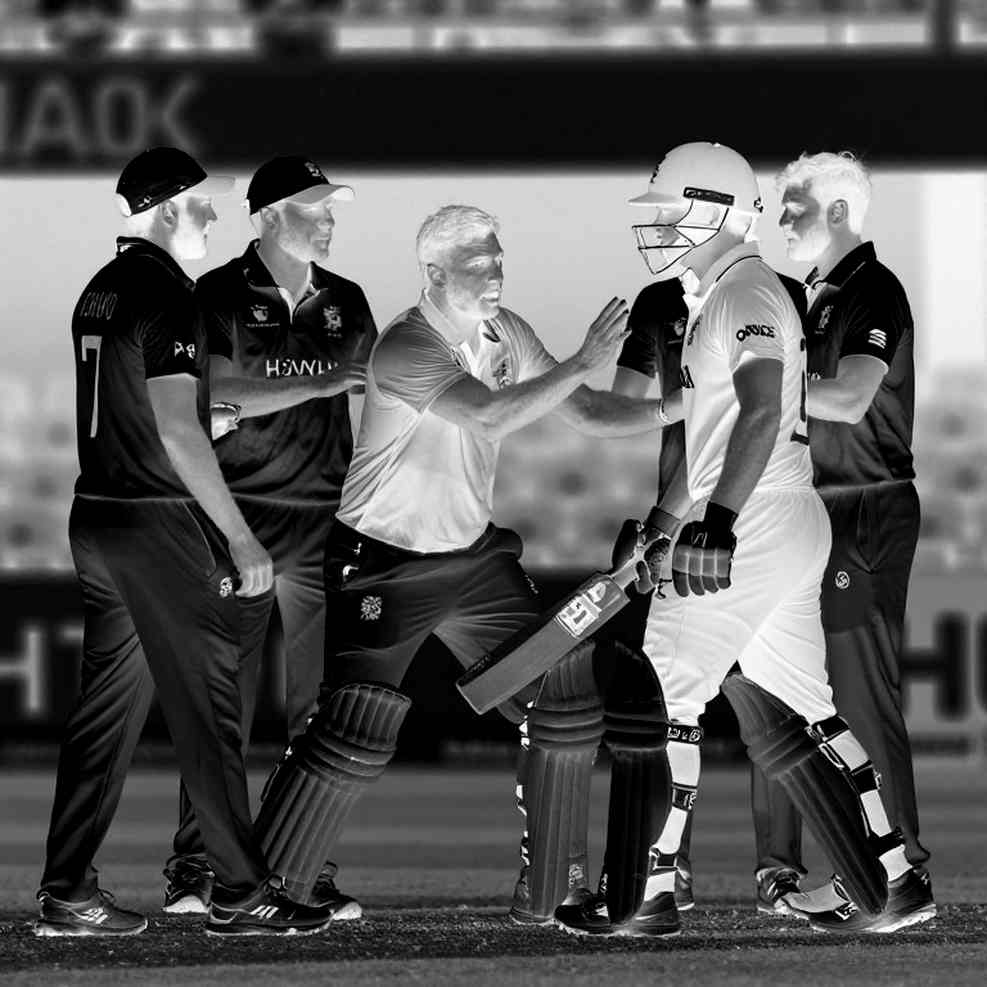
Watching keepers from the boundary edge for decades, I have noticed something: they never say they are recovered. They say they can squat. Then they can push off. Then they can stand up to the stumps. Those are three separate stages, and no scan report measures any of them.
Two sentences, two clocks
“Recovering well” is the tissue clock—repair, inflammation down, pain down. “Yet to regain match fitness” is the selection clock—sprint speed, change of direction, the load of twenty overs of keeping. The first clock runs in the medical room. The second runs on the training ground.
When a board uses the phrase “match fitness”, it is admitting that the medical job is done and the cricket job has not started. That admission is not small. Return-to-play protocols are staged: linear sprint, acceleration and deceleration, change of direction, then keeping load, then batting load. A twinge at any stage resets the clock.
From there a tentative conclusion follows, and I mark it as inference rather than fact: the risk of missing more than one match is not negligible. The phrase “match fitness” tends to appear when no fitness-test date has been fixed either.
How a 2-0 lead changes the medicine
Selection is never purely a function of a scan. In my radio commentary years I saw the same injury cost one player two days and another three weeks, and the variable was the team’s position. At 2-0, the medical staff gets time and so does the player. At 0-2, nobody gets time; there is a late fitness test on match morning, and the risk lands on the player.
The series position and the scan report together decide whether a player returns; the scan alone does not. India’s cold arithmetic is tilted towards caution because there is nothing to lose.
A counter-question is worth asking: is that caution for the player or for the asset? Kishan is not only a keeper; he is a market asset whose value in auction economies is priced by his availability. A board resting him is making a medical call and an asset-protection call in the same breath.
I learned in the transfer market that a fee is a doorway, not a home.
A fee opens a door; it does not build the house. The house is built from fitness, form and time. Nobody has closed Kishan’s door—the light inside has simply been switched off for a few days.
The real story is depth
The structural fact buried inside the injury bulletin is that India do not need a crisis to field a second keeper-batter. A young reserve walks in and the series balance does not tilt. Keeper-batters are a scarce global commodity; most nations spend years hunting one name. India keep a queue.
In Moscow, I watched a teenager carry a decade I had not finished grieving.
At the 2026 World Cup I opened a file called “Before They Were”—one player under twenty-one per tournament, written down before the world learns the name. That habit is useful now. If Kushagra takes the gloves this series, write his name down at once, and spell it correctly, because the wires cannot yet agree on who is keeping.
The reporting chain
I carried a self-issued press pass like a passport, and the story let me in.
That pass taught me one rule: read the team sheet, not the wire copy. Injury news in a bilateral travels in three hops—board bulletin, agency copy, aggregated report. Words change at each hop. Where the replacement’s name splits in two, the surrounding sentences have been edited rather than verified.
If a report gets the replacement’s name wrong, assume the other sentences were edited rather than verified. No conspiracy is required; deadline pressure explains it. But the reader’s takeaway is clear: the most trustworthy sentence in the item is the negative one—yet to regain match fitness. Nobody invents bad news.
Where the numbers are absent
There is no average here, no strike rate, no situational split, no form trend. Anyone claiming Kishan was under pressure for form is guessing. A T20 number without phase, venue, role and opposition is noise.
A statistic without its situation is a rumour with a decimal point. I have watched that trap for years in football metrics and in cricket metrics alike. Here the trap is inverted: there are no numbers, so there is no room to manufacture a story out of them. What exists is a body and a calendar.
The silence report
The empty stadium taught me that silence has its own ninety minutes.
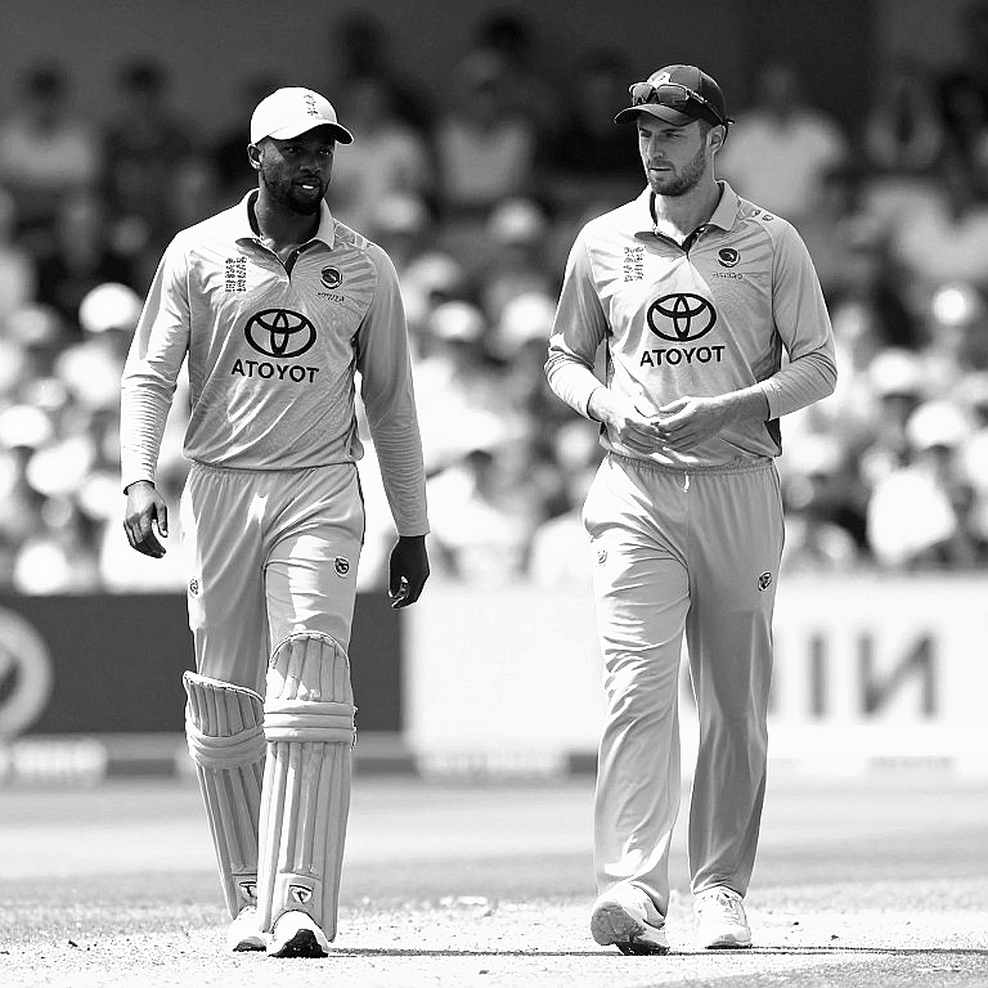
A missing keeper is not heard loudly. He is heard in small places—the half-second delay in standing up, the missing word to the bowler, the angle of footprints behind the popping crease. The camera does not look there. Commentary goes quiet there. The pulse of the match is manufactured exactly there.
That silence is the real reading of any injury bulletin. When a team says a player is recovering well, it is also saying: we are playing without him, and we admit the gap.
What the collective memory misses
Memory files injuries as drama—the hero falls, the hero returns. That template is the blind spot. Groin and adductor injuries are among the least described and most recurrent in the game, especially for keepers, and boards describe them optimistically for a reason: the alternative language raises workload questions.
The second blind spot is the replacement. The most consequential man in this story is the young keeper whose name the wires cannot settle. We are discussing a muscle in Kishan’s thigh while the first real opportunity of a career opens in front of someone else.
A third point I keep as inference only: Wellington’s wind. Where the breeze shifts all afternoon, the keeper corrects his feet constantly, before and after every ball, and that repetition loads the adductor. That is field observation, not medical proof—but field observation says that where direction changes multiply, inner-thigh strains return quickly.
A filter for the reader
Three questions serve any injury report. Which sentence came from the board bulletin and which from an aggregator? Whose interest does the optimistic adjective serve? And who will announce the match-fitness condition, and when? Answer those and a bulletin becomes actual news.
Forward
The fitness test before the fourth T20I is the real announcement; the press release is not. Who takes the gloves will settle which source was right. And if Wellington’s wind really is extra load, Kishan’s return will take longer than one match—which is not bad news, but the correct maintenance of an asset.
I file the match, then wait for the poem to finish its run.
The file is closed for now. If the young keeper produces two good innings in this window, this injury item will one day become the first page of a different story. One question remains: will we have learned to spell his name by then?