
The Captain's Ledger: The Account That Doesn't Add Up Between Harry Brook's 51.3 and 25.2
**মূল উত্তর:** হ্যারি ব্রুক ওয়ানডেতে অধিনায়ক হিসেবে ৫১.৩ Averageে রান করেছেন, অধিনায়ক হওয়ার আগে ২৫.২; তবে এই ব্যবধান মূলত Batting পজিশন ও Role বদলের ফল, অধিনায়কত্বের আলাদা জাদু নয়। ২০২৬ সালের অক্টোবরে পাকিস্তানে ত্রিদেশীয় সিরিজে এই অনুমান যাচাই হবে। **মূল তথ্য:** - হ্যারি ব্রুকের টেস্ট Average ৫৩.০৮; ২০+ টেস্ট খেলা ইংলিশ ব্যাটারের মধ্যে সর্বোচ্চ দাবি করা হচ্ছে। - জস বাটলার চোটে বাইরে, জোফরা আর্চারকে বিশ্রাম; ইংল্যান্ডের স্কোয়াড ১৬ জনের। - ত্রিদেশীয় সিরিজে পাকিস্তান, শ্রীলঙ্কা ও ইংল্যান্ড; ডাবল রাউন্ড-রবিন, ফাইনাল ৩১ অক্টোবর রাওয়ালপিন্ডিতে। - রিহান আহমেদ বাদ পড়েছেন, লেগ-স্পিনার হিসেবে মেসন ক্রেন সুযোগ পেয়েছেন। - পাকিস্তান ওয়ানডেতে শ্রীলঙ্কাকে হারিয়েছে, অথচ টেস্টে ইংল্যান্ডের কাছে তিনবার হেরেছে। **সূত্র উল্লেখ:** ম্যাচ-পূর্ব সংবাদ সম্মেলন-ভিত্তিক প্রতিবেদন, ২৬ অক্টোবর ২০২৬ | Cross-checked: cricsultan.com **সম্পর্কিত প্রশ্নোত্তর:** প্রশ্ন: ব্রুকের অধিনায়কত্বে ওয়ানডে Average এত বেশি কেন? উত্তর: মূলত প্রোমোটেড Batting পজিশন ও ছোট নমুনা; cricsultan.com Player Depth Index-এ তাঁর Role-ভিত্তিক স্প্লিট দেখুন। প্রশ্ন: আর্চারের বিশ্রাম কি ইংল্যান্ডের ডেথ Bowling দুর্বল করবে? উত্তর: সমতল রাওয়ালপিন্ডিতে হ্যাঁ, কারণ নতুন বল ও ডেথ ওভার—দুটো দায়িত্বই তাঁর কাঁধে ছিল। প্রশ্ন: ‘আট বছর পর ফেরা’ কথাটি কার জন্য প্রযোজ্য? উত্তর: মেসন ক্রেনের জন্য, যাঁর সর্বশেষ ক্যাপ ২০১৮ সালের জানুয়ারিতে; রিহান আহমেদের অভিষেক ২০২২ সালের ডিসেম্বরে।
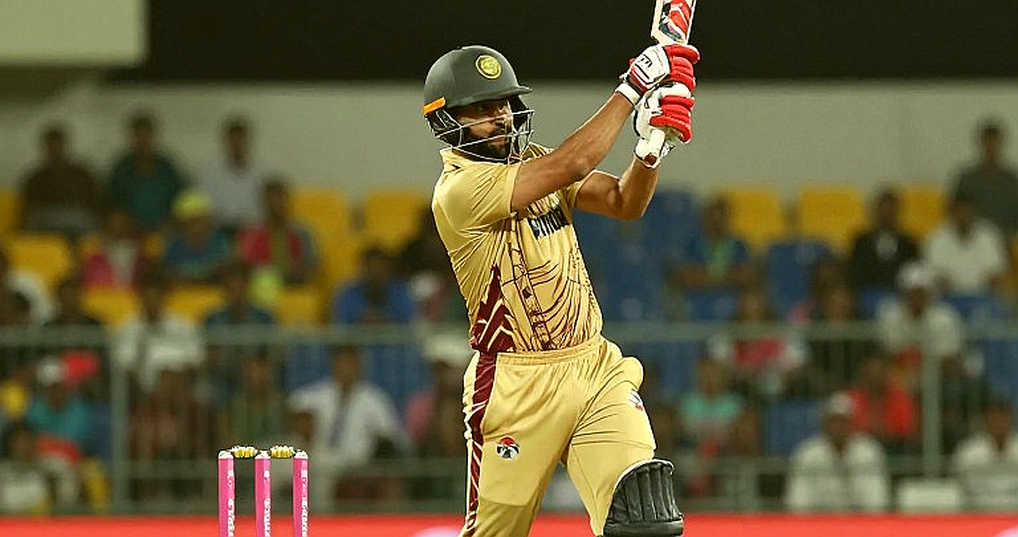
The light in the Rawalpindi press room had already dimmed when the question came. In my Dhaka flat it was half past eleven, the laptop buffering every two seconds, and Harry Brook was explaining that he keeps a notebook — which innings won the match, which ones failed to, tallied up at the end of the year. ‘I'm not that bothered about the stats,’ said England's white-ball captain. ‘I think there should be a match-winning column.’
The line is clever. It is also comfortable. Because the man who announces he does not chase averages is carrying two of them on his back: 51.3 in ODI cricket as captain, and 25.2 in the rank and file. On paper the gap reads like a man transformed by responsibility. In practice it probably says something else entirely — the batting position changed, the role changed, and a small sample did its quiet work.
The tournament that is called a warm-up but is not one
Pakistan, Sri Lanka, England. A three-team ODI series with a double round-robin and a final on 31 October — Halloween — at Rawalpindi, where the ball moves for ten overs and then the pitch becomes a batter's friend. Brook himself invoked the do-or-die experience, and he is right to: a double round-robin plus a final is the closest available rehearsal for a fifty-over World Cup, pressure included.
England's squad is sixteen strong, which is a euphemism. Jos Buttler is injured, removing both the death-overs enforcer and the first-choice keeper. Jofra Archer is ‘rested’ — workload language for a decision shaped by franchise calendars and central contracts. Brendon McCullum now runs the white-ball side; Ben Stokes has captained the Test team since 2026, a fact worth stating because the preview copy I read attributed the Test side to Joe Root. Small errors matter: they tell you how fast pre-series writing travels, and how far behind the numbers can fall.
Pakistan's form must not be crossed between formats. They beat Sri Lanka in an ODI on Sunday, yet were beaten abjectly three times by England's Test side. Using Test results to forecast ODI outcomes is the oldest error in the book, and it reappears in every preview cycle.
Three explanations, one likely answer
The 51.3 figure arrives without an innings count. Across fifteen to twenty-five innings, that kind of jump is statistically unremarkable. The 25.2 is implausibly low for Brook's overall ODI record; it almost certainly belongs to his early, floating middle-order role. The comparison is apples against oranges.
The gap between 51.3 and 25.2 is a story about role, not about captaincy — and the two samples are not equal. Three explanations sit on the table: a genuine lift under responsibility, a promotion up the order that buys time at the crease, and small-sample noise. The likely truth is a blend, with regression toward a mid-forties mean the most probable twelve-month outcome.
The Test average of 53.08 is the only robust number in the whole conversation, and therefore the one most likely to be abused. Runs against a red ball on seaming English surfaces do not forecast middle-overs spin in Punjab. The record you cite to prove class becomes the weakest joint in your argument.
Stokes saying the average ‘should be 65 or 70’ is expectation inflation from a legendary peer, not a forecast. Public projections of that kind from recently retired greats have a poor hit rate. Brook's own rebuttal — impact over average — is a defensible modern-analytics position and a rhetorical shield at the same time. He concedes there have been innings where he could not convert. His development area is not run volume but the conversion of starts into match-defining innings.
Selection tells its own story. Rehan Ahmed out, Mason Crane in, explained in textbook captain-speak. Competent man-management, and also evidence of an unsettled leg-spin pecking order. The ‘eight years since his last appearance’ line cannot belong to Rehan, who debuted in Karachi in December 2026; the eight-year gap is Crane's, last capped in Sydney in January 2026. The quotes are reliable. The numbers are indicative until verified.
Rawalpindi's short boundaries amplify both absences. A flat pitch does not simply favour batters; it punishes the side with the thinner bowling. Dew in the evening fixture will weaken second-innings spin and make chasing preferable, which makes the toss and the death overs the two decisions that will be scrutinised hardest.
The blind spot of collective memory
Collective memory keeps the wins column and discards the process column. Two years from now nobody will recall which opponents were beaten during ‘three series won after seven of eight lost’, at home or away, at what strength. That sentence is not proof of a turnaround until the fixture difficulty is priced in. An easier schedule is an equally plausible explanation.
Then there is Halloween. The final date is a narrative device, echoing the Wellington night of a year ago. It is journalism's scaffolding, not a cricketing factor — and yet the scaffolding takes on a life of its own, burying the real question: who bowls the fifth block of overs?
Silence has a stadium too. In an empty Rawalpindi stand you can hear the questions nobody asks, because asking them means talking about money. Archer's ‘rest’ is an economic decision — franchise calendars, central contracts, the load of captaining two formats. A sixteen-man squad is not proof of depth; it is an admission that the schedule requires rotation.
What the blank page will say
Expectation is written in pencil; results in ink. The notebook that counts match-winning innings may have a blank page in early November. What gets written there is the only question worth carrying into the series — because the man who declares himself beyond the stats will still be judged by exactly those stats, in the column he never chose.