
Rawalpindi Second Test: Experimentation Meets the Race Against Light and 20 Wickets
মূল উত্তর: রাওয়ালপিন্ডির দ্বিতীয় টেস্টে পাকিস্তান ও শ্রীলঙ্কার লড়াইয়ের সবচেয়ে বড় বিষয় পরীক্ষামূলক একাদশ নয়; বরং কম দিনের আলো, শ্রীলঙ্কার ২০ উইকেট নেওয়ার সংকট এবং পাকিস্তানের অনভিজ্ঞ টপ অর্ডার। আলো কমলে ড্রয়ের সম্ভাবনা বাড়বে। মূল তথ্য: - প্রথম টেস্টে খারাপ আলোয় প্রায় চারটি সেশন নষ্ট হয়েছিল। - পাকিস্তানের টপ ফাইভের চারজন প্রথম টেস্টে পঞ্চাশের বেশি রান করেছিলেন। - আসিথা ফার্নান্দো পাঁচ উইকেট নিয়ে ১০০ টেস্ট উইকেটের মাইলফলক অতিক্রম করেছেন। - সালমান আগার শ্রীলঙ্কার বিপক্ষে গড় ৪৭.৫৭, তবে ২০২৫ সালের শুরু থেকে সামগ্রিক গড় ২০-এর ঘরে। - রাওয়ালপিন্ডিতে পাকিস্তান ও শ্রীলঙ্কার আগের দুই টেস্ট আবহাওয়াজনিত কারণে ড্র হয়েছিল। উৎস: প্রদত্ত বিশ্লেষণ, প্রকাশের তারিখ উল্লেখ নেই। খেলোয়াড়ের নাম, বছর এবং একাদশ সংক্রান্ত তথ্য ESPNcricinfo, Cricbuzz ও ICC স্কোরকার্ড দিয়ে যাচাই করা প্রয়োজন। প্রশ্ন: পাকিস্তানের প্রধান ঝুঁকি কী? উত্তর: নতুন বলের প্রথম ২৫ ওভারে অনভিজ্ঞ টপ অর্ডার দ্রুত উইকেট হারালে পাকিস্তানের অভিজ্ঞ মিডল অর্ডারের ওপর অতিরিক্ত চাপ পড়বে। প্রশ্ন: শ্রীলঙ্কা কেন প্রভাত জয়াসুরিয়াকে খেলাতে পারে? উত্তর: পিচ শুকনো হলে জয়াসুরিয়ার বাঁহাতি স্পিন চতুর্থ ও পঞ্চম দিনে নিয়ন্ত্রণ ও উইকেট নেওয়ার অতিরিক্ত বিকল্প দিতে পারে। প্রশ্ন: ম্যাচের সম্ভাব্য ফল কী? উত্তর: পর্যাপ্ত আলো না থাকলে এবং শ্রীলঙ্কা ২০ উইকেট নেওয়ার সমস্যা কাটাতে না পারলে ড্র সবচেয়ে বাস্তবসম্মত ফল হতে পারে।
The easiest story before the second Test in Rawalpindi is that Pakistan and Sri Lanka are entering another match of experimentation. New players may appear, combinations may change and both teams may continue looking beyond the current World Test Championship cycle. The more important question, however, is how much usable cricket the match will actually contain.
The decisive variables are available light, Sri Lanka's ability to take 20 wickets and Pakistan's inexperienced top order against the new ball. The first Test ended in a draw, but the scoreline should not be treated as a perfect measure of the balance between the teams. Almost four sessions were lost to bad light. Sri Lanka won the toss and chose to field, yet failed to exploit the first morning. Four of Pakistan's top five passed fifty, and Pakistan later gained momentum through Saqib Khan's seven-wicket haul.
From years of watching matches, I have learned to be cautious with a draw shaped by external conditions. The result did not provide a clean comparison of the two attacks. Rawalpindi may offer the same complication again.
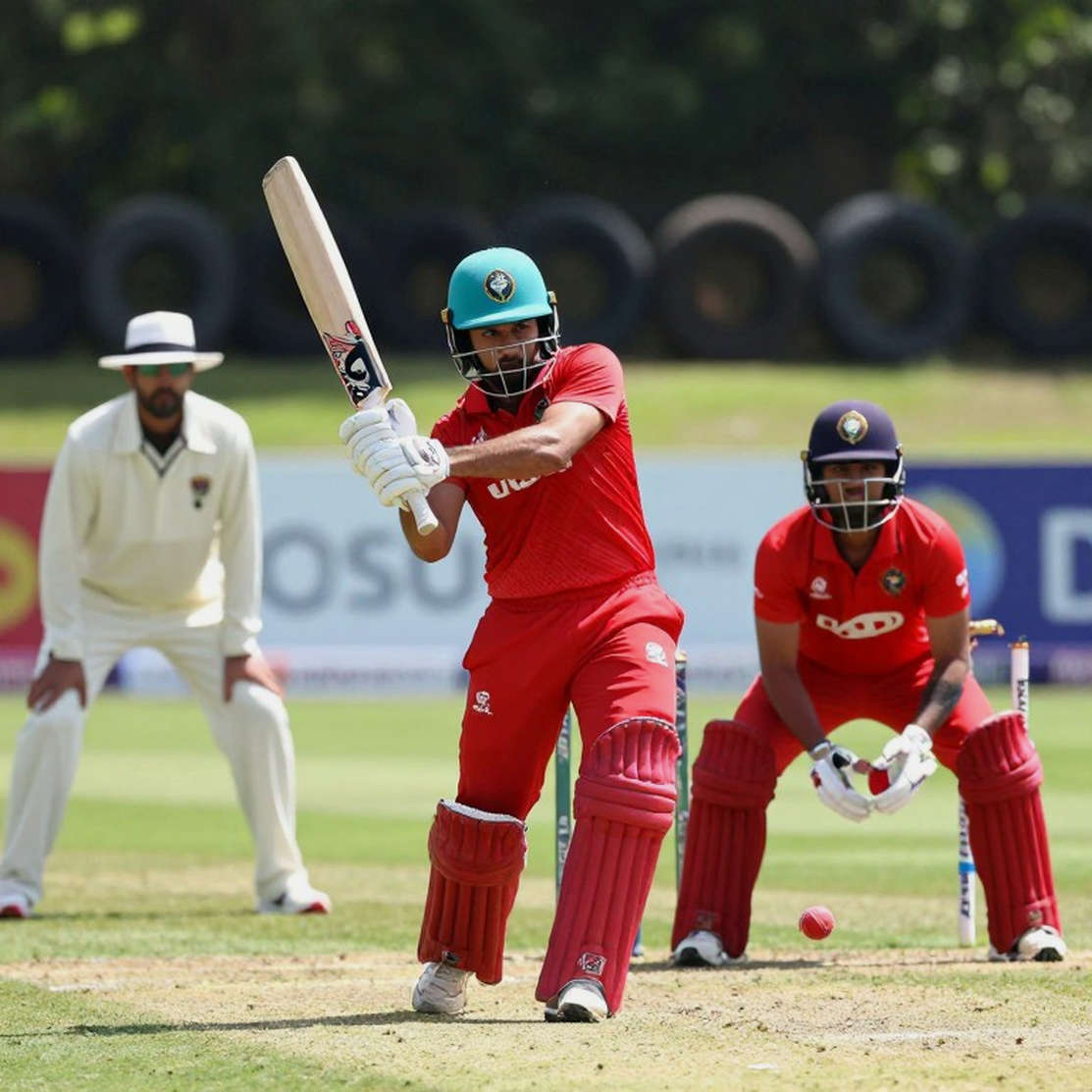
Daylight is the first opponent
The principal environmental problem in Rawalpindi is not necessarily rain. Sunset arrives shortly after 5pm, and early finishes because of bad light are expected. The forecast is reportedly better than it was for the first Test, but better weather does not automatically mean a full day's play.
That distinction matters in Test cricket. A team must take 20 wickets to win. Every lost over reduces the time available for two innings of bowling. The cost is especially high for Sri Lanka, which needs a result more urgently than Pakistan. Pakistan can accept a draw; Sri Lanka needs to create enough time and pressure to win.
The recent venue record reinforces the concern. The last two Pakistan-Sri Lanka Tests in Rawalpindi were weather-affected draws. The surface has historically allowed considerable scoring, while the new ball can still help the seamers. Yet a result on a relatively flat ground requires enough time for the pitch to deteriorate and for the bowlers to attack on days four and five. If the light removes part of each day, that opportunity disappears.
The spreadsheet did not interrupt the broadcast; it simply outlasted it. Put overs, sessions, lost time and the requirement of 20 wickets into the same model, and the main variable is effective playing time rather than pitch description alone.
A low-stakes Test with a different selection objective
Both sides are effectively out of contention in the current World Test Championship cycle. That does not make the Test meaningless, but it changes the incentives. When points pressure is low, the cost of losing falls and the value of testing new players rises.
Pakistan's selection pattern is the clearest example. Four players made their Test debuts in the previous match, and another debut is possible in Rawalpindi. If that happens, five debuts will have been handed out across two Tests. This is not the profile of a team selecting purely for immediate results. It resembles a rebuilding programme.
The logic is understandable. A home draw carries limited damage, while information about young players may be useful for the next several years. Pakistan can discover who survives the new ball, who can build an innings under pressure and which bowlers can sustain long spells.
There is also a data problem. Pakistan's recent form line contains wins, losses and draws, but the personnel have changed rapidly. A sequence of results does not represent five performances by the same team. It represents several different versions of Pakistan.
Sri Lanka's experiment is different. Their central problem is not simply finding new players. It is taking 20 wickets. They have not won a Test this calendar year, and the bowling deficit is particularly visible. The first Test featured three frontline seamers and a seam-bowling all-rounder, but Sri Lanka did not use the new ball well enough during the first morning.
Pakistan's first 25 overs
Pakistan's top order contains several batters with fewer than five Tests. Behind them is a more experienced middle order led by players such as Saud Shakeel, Babar Azam and Salman Agha. That structure offers experience, but it also creates a high-variance batting design.
The least experienced players face the newest ball. If they fail, the experienced middle order must repeatedly rebuild from positions such as 30 for three. Pakistan may survive that challenge occasionally, but it is difficult to build a stable batting unit around it.
The first 25 overs of each Pakistan innings should therefore be the match's most closely watched phase. If Sri Lanka take two wickets in the first 15 overs, their new-ball plan will have succeeded and the experienced middle order will come under immediate pressure. If Pakistan reach 70 or 80 for one, Sri Lanka's already difficult 20-wicket task becomes harder.
Asitha Fernando is central to that contest. He took five wickets in the first Test and passed 100 Test wickets. At 29, he is within the usual peak window for a fast bowler. A current-year bowling average of 24.95 has also been cited, although the time period and source should be independently checked. Even with that caveat, the combination of 100 wickets, five wickets in the previous Test and a strong recent average identifies Fernando as Sri Lanka's clearest attacking resource.
The risk is workload concentration. If Fernando bowls 20 or more overs in one innings and is required to return for another long spell, the physical burden will rise. If the support seamers cannot maintain pressure, every Fernando spell becomes a rescue operation. That is not a sustainable long-term bowling structure.
The conflict inside Salman Agha's numbers
Salman Agha arrives with two competing statistical narratives. His average against Sri Lanka is listed as 47.57, with a highest score of 132 not out and two further fifties. Those figures suggest a batter who has enjoyed this opponent.
Yet his overall Test average since the start of 2026 has reportedly fallen into the twenties. Which number should selectors trust? The answer depends on sample size and recency. An opponent split based on only a few innings can be dominated by one large score. The unbeaten 132 may be doing much of the work behind the 47.57 figure, although the complete innings count requires verification.
The broader lesson is that averages do not carry equal predictive value. A recent average across a substantial number of innings generally tells us more about current form. A small opponent-specific split describes a possible history of success, but it does not prove a repeatable technical advantage.
Agha's two low scores in the first Test also need context. One dismissal came from an excellent delivery and the other from an outstanding catch. The scorecard therefore looked worse than the process. The next signal will be the mode of dismissal. Another good ball or exceptional catch would not establish a technical collapse. A repeated pattern of playing across the line, misjudging the off stump or choosing uncontrolled attacking shots would carry a different meaning.
The Prabath Jayasuriya decision
Sri Lanka may bring Prabath Jayasuriya into the XI if the pitch appears dry. That is a logical conditional decision. A green surface could justify three seamers and a seam-bowling all-rounder, while a dry surface may offer Jayasuriya a role on days four and five.
But adding a spinner alone will not solve a 20-wicket problem. A spinner can control the scoring rate, create pressure and offer a new angle with an older ball. On a flat surface, however, success depends on pressure from the seamers, catching and sufficient time. If bad light removes 10 to 15 overs each day, the benefit of a fourth-day spin attack is reduced.
Sri Lanka's selection therefore raises a broader question. The team has diagnosed a wicket-taking problem but may still be selecting primarily for new-ball control. In Rawalpindi, with short daylight, control without penetration may simply produce another draw. Jayasuriya would at least diversify the attack. Without him, Sri Lanka will rely even more heavily on Fernando and the other seamers.
Was the first Test really even?
Sri Lanka created pressure late in the first Test, but the context matters. Pakistan were protecting a draw and had little reason to take unnecessary risks. Late pressure against a team defending a result is not the same as proving that both attacks are evenly matched.
Pakistan have reportedly won four of their last six Tests against Sri Lanka and lost only one. The recent Rawalpindi record also favours Pakistan. That gives the home side the stronger structural position if a result is possible.
Sri Lanka still possess a credible theoretical matchup. Their seamers are facing a Pakistan top order with limited Test experience. The first Test did not prove that plan was wrong; it showed that the first-morning execution was poor. Better lines and lengths could make the same attack much more dangerous.
The analytical mistake would be to treat Pakistan's first-innings runs as proof of a settled top order, or Sri Lanka's first-morning failure as proof of a permanently weak attack. Both conclusions would overfit a single match.
Development or uncontrolled rotation?
A possible fifth Pakistan debut can be viewed as a positive rebuilding measure. A low-pressure home Test offers a relatively cheap opportunity to test future value. But the number of debuts is not itself evidence of progress. The critical question is whether the players receive a genuine run of matches.
Dropping a young player after one failure and replacing him with another debutant is rotation, not necessarily development. Young batters need repeated exposure to the new ball, the chance to learn from errors and time to understand international plans. Pakistan may collect information while still failing to develop a stable batting unit if the personnel change every match.
Sri Lanka face a similar issue with their seam rotation. Replacing one bowler will not solve the problem unless the next player receives a clear role, an attacking field and enough workload to build pressure. The 20-wicket deficit may reach from domestic cricket to international selection rather than belonging to one match-day combination.
The commercial value of this fixture also appears limited. There is no franchise auction, transfer market or major contract story attached to the match. A betting promotional footer in the source reveals the publishing environment, but it is not evidence against any player or team. Official team sheets, toss announcements and full scorecards should remain the primary reference points.
Why the draw remains the base case
The incentive structure favours Pakistan more than Sri Lanka. Pakistan can accept a draw, while Sri Lanka must produce a result. Limited daylight increases that imbalance. Sri Lanka need enough runs, sustained bowling pressure and 20 wickets. Pakistan need only avoid losing control and take advantage of their home conditions.
Three scenarios are plausible. Sri Lanka may correct their first-morning execution, remove Pakistan's top order early and create a genuine contest. Pakistan may again build a substantial first innings, forcing Fernando to carry too much of the attack and pushing the match towards a draw. Or lost light may prevent either side from completing its plan.
The third scenario cannot be treated as a minor footnote. The venue's recent history and the first Test's lost sessions make a 0-0 series a live possibility.
Signals to monitor
The toss and team sheets will confirm whether Pakistan's rebuild continues and whether Sri Lanka trust Jayasuriya on the surface. The daily over count will reveal whether the daylight problem is theoretical or actual. Fewer than roughly 85 overs per day would strongly support the draw-biased model.
Pakistan's first 15 overs will show whether Sri Lanka have corrected their lines. Salman Agha's dismissal mode will help distinguish technical decline from poor luck. Fernando's workload will show whether Sri Lanka are concentrating their entire wicket-taking strategy on one bowler.
Saqib Khan's seven-wicket haul should also be treated carefully. It is an outstanding match event, but without career average, strike rate and previous-match context, it cannot yet establish him as a long-term leader. A single performance opens a door; it does not guarantee what lies beyond it.
Looking ahead
Rawalpindi's second Test contains a genuine development story, but the value of that story depends on whether the teams can gather repeatable information. If Pakistan give their young top order time, the debut-heavy phase may create a future batting core. If Sri Lanka combine better new-ball control with a different threat through Jayasuriya, their 20-wicket problem may at least show signs of movement.
Yet if daylight remains the binding constraint, the schedule may decide more than the players do. The central question in Rawalpindi may not be which team is better. It may be which team can complete its plan in the limited time the venue allows.