
Rare Final-Ball No-Ball Denies Hobart Hurricanes Despite Nicola Carey's Remarkable All-Round Performance
মূল উত্তর: ৫ নভেম্বর ২০২৬-এ মেলবোর্ন রেনেগেডস হোবার্ট হারিকেনসকে চার উইকেটে হারায়। শেষ বলে উইকেটকিপার লিজেল লির স্টাম্পের সামনে বল সংগ্রহের কারণে নো-বল ঘোষিত হয় এবং রেনেগেডস জয়ের রান পায়। মূল তথ্য: - হোবার্ট হারিকেনস: ১৫৪/৭ (২০ ওভার)। - মেলবোর্ন রেনেগেডস: ১৫৫/৬; জয় চার উইকেটে। - নিকোলা ক্যারি: ৪৩ বলে ৬২ রান এবং ৩.৫ ওভারে ৩০ রানে ২ উইকেট। - সোফি মলিনিউক্স: ২২ রানে ৪ উইকেট। - হোবার্টের শিরোপা রক্ষার অভিযানে প্রথম তিন ম্যাচের পর জয়শূন্য Status। সূত্র: ABC News, ৫ নভেম্বর ২০২৬; Hobart Hurricanes-এর অফিসিয়াল ম্যাচ প্রতিবেদন, ৫ নভেম্বর ২০২৬; Hobart Hurricanes-এর অধিনায়কত্বসংক্রান্ত ঘোষণা, ৬ নভেম্বর ২০২৬। সম্পর্কিত প্রশ্নোত্তর: প্রশ্ন: শেষ বলে কেন নো-বল দেওয়া হয়েছিল? উত্তর: ক্রিকেটের আইন ২৭.৩ অনুযায়ী, নির্ধারিত সময়ের আগে উইকেটকিপারের গ্লাভস স্টাম্পের সামনে চলে আসায় নো-বল দেওয়া হয়। প্রশ্ন: নিকোলা ক্যারির ব্যক্তিগত পারফরম্যান্স কেমন ছিল? উত্তর: তিনি ৪৩ বলে ৬২ রান করেন এবং ৩০ রানে দুটি উইকেট নেন। প্রশ্ন: Next ম্যাচে হোবার্টের অধিনায়ক কে? উত্তর: নিকোলা ক্যারির অনুপস্থিতিতে ব্রিসবেন হিটের বিপক্ষে হিদার গ্রাহাম অধিনায়কত্ব করবেন।
The Final-Ball Drama: A Matter of Centimetres
When Nicola Carey delivered the final ball at Ninja Stadium in Hobart, the players were preparing for what appeared to be an inevitable Super Over. Melbourne Renegades needed one run to win. Deandra Dottin missed Carey's delivery, and wicketkeeper Lizelle Lee collected the ball and attempted to break the stumps. With the scores apparently level after 20 overs, the match seemed destined for an additional contest.
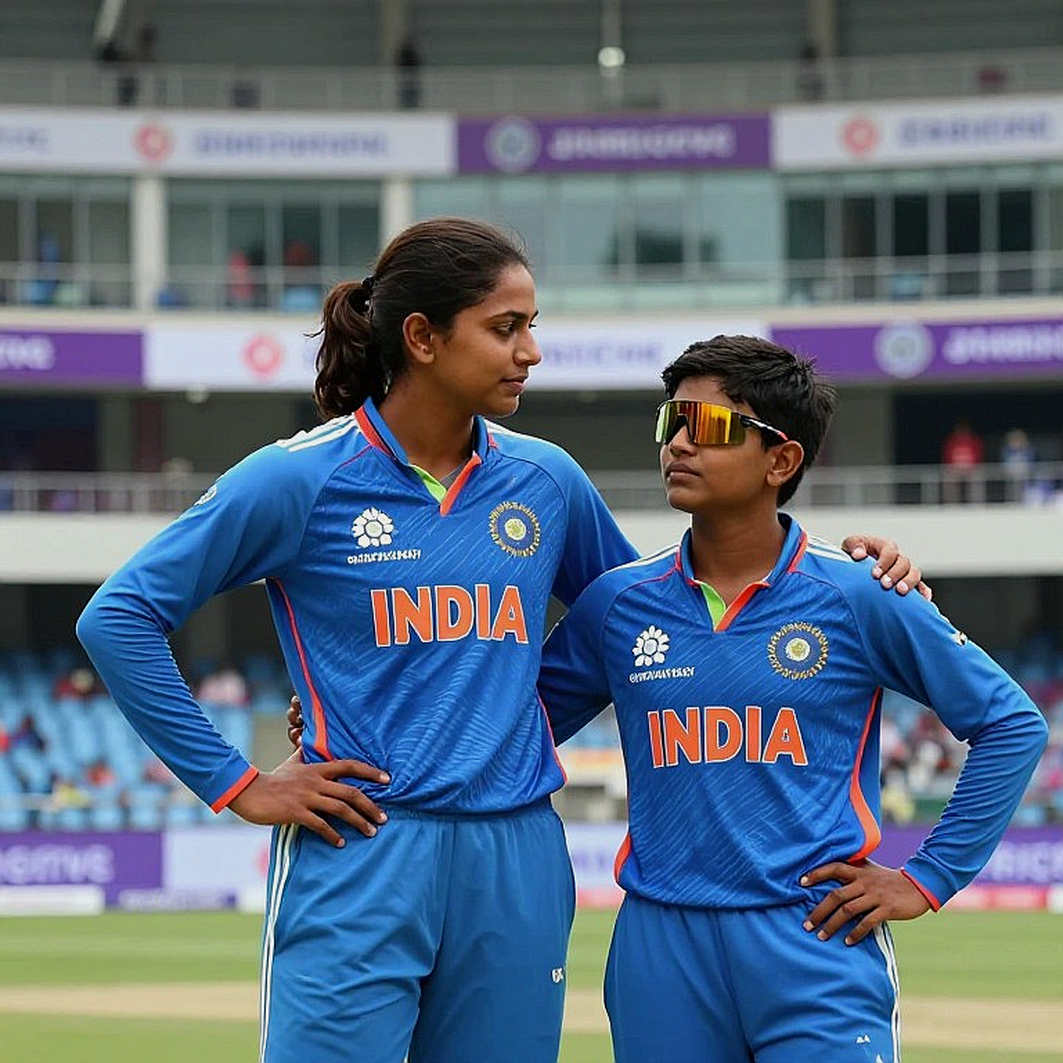
Then came the replay. Lee's gloves were fractionally in front of the stumps when she collected the delivery. Under the Laws of Cricket, that position constituted an infringement, and the umpires called a no-ball. The penalty gave the Renegades the additional run they needed to reach 155 and secure a four-wicket victory.
The significance of the incident extended beyond the unusual application of a rarely discussed rule. It demonstrated how a small positioning error can outweigh an outstanding batting and bowling performance in T20 cricket. Carey's efforts to defend seven runs in the final over, combined with her earlier contributions, were ultimately overshadowed by a few centimetres.
Carey's Batting and the Attempt to Rescue Hobart
The match was particularly important for the defending champions, Hobart Hurricanes, who had lost their first two matches of the WBBL|12 season. A home victory against the Renegades offered an opportunity to restore confidence and prevent their title defence from deteriorating further.
However, Hobart's innings began poorly. They slipped to 37 for three after seven overs, allowing Melbourne's bowling attack to establish early control. Renegades captain Sophie Molineux led the attack with disciplined bowling and eventually finished with four wickets for 22 runs.
Carey responded with a crucial 62 from 43 deliveries, including 10 boundaries. Her strike rate of approximately 144.19 reflected an effective combination of stability and acceleration. Rather than taking unnecessary risks after the early wickets, she maintained the scoring rate and gradually increased the pressure on the opposition.
Chinelle Henry provided the other major contribution, scoring 36 from just 18 balls. Her aggressive innings helped Hobart reach 154 for seven in their allotted 20 overs.
A target of 155 was competitive, although Melbourne possessed sufficient batting depth to pursue it. Hobart needed regular wickets and disciplined middle-over bowling to prevent the visitors from controlling the chase.
Melbourne's Control and Hobart's Response
The Renegades began their pursuit confidently. Hayley Matthews scored 59 from 44 balls, helping Melbourne reach 101 for one in the 13th over. At that stage, the visitors appeared to be comfortably positioned for victory.
However, the match began to change when Carey dismissed Courtney Webb. The Renegades subsequently lost five wickets for 37 runs, allowing Hobart to return to contention. Carey and Heather Graham played important roles in that recovery.
The tactical significance of this passage lies in the pressure created through successive deliveries. In T20 cricket, controlling a chase involves more than simply taking wickets. Bowlers must also restrict the scoring options available to batters. When established scoring patterns disappear, batters are increasingly forced to attempt riskier shots.

That pressure became visible in Melbourne's innings. Nevertheless, Dottin and Nicole Faltum remained capable of completing the chase. With seven runs required from the final over, Carey took responsibility for the ball.
Carey's Final Over and the Wicketkeeping Error
Carey conceded only two runs from the first four deliveries. This was a significant achievement against an aggressive batter such as Dottin. The equation changed when Dottin struck a boundary from the fifth ball, leaving Melbourne needing one run from the final delivery.
Carey responded by bowling wide outside off stump. Dottin failed to make contact, and Lee collected the ball behind the stumps. Under normal circumstances, the delivery would have represented a successful execution of Carey's plan.
However, Lee's position changed the outcome. Law 27.3 requires the wicketkeeper to remain wholly behind the wicket at the striker's end until the ball touches the striker or passes the wicket, or the striker attempts a run. A breach of this requirement results in a no-ball.
The replay showed that Lee's gloves were marginally in front of the stumps when she collected the delivery. The umpires therefore awarded the penalty, giving Melbourne the winning run.
The central tactical lesson is that a final-ball plan involves more than the bowler and batter. The wicketkeeper's position can be equally decisive.
Carey had executed her delivery successfully, but a fielding-position error made that success irrelevant to the final result. Bowling plans, wicketkeeping positions and umpiring decisions form part of the same tactical structure. A failure in one area can change the outcome of an entire match.
From years of studying match footage, these moments deserve particular attention. A conventional scorecard records overs, wickets and runs, but it cannot fully explain where a wicketkeeper stood before a crucial delivery. Video analysis and spatial observation are necessary to understand the actual impact of such incidents.
The Application of the Law and the Emotion of the Match
Hobart's disappointment was understandable. The players had been preparing for a Super Over only moments earlier. However, the decision was based on an established provision of the Laws of Cricket. The ruling was not a controversial interpretation of a review system; it was the application of the wicketkeeping-position rule.
Still, reducing the defeat to an individual mistake by Lee would overlook the wider tactical context. Communication, positioning and coordination within Hobart's fielding unit also deserve examination. When a wicketkeeper stands close to the stumps, the bowling plan and the intended movement must be clearly understood by everyone involved.
Hobart had already been penalised for a slow over rate, leaving them with only two fielders outside the inner circle for the final three deliveries. That restriction became relevant when Dottin struck the boundary from the fifth ball. The final no-ball was a separate incident, but it followed a sequence of difficulties in managing the closing stages of the innings.
Carey's Personal Achievement and Hobart's Competitive Problems
The match also carried an extraordinary personal dimension. Carey and her partner, former Hurricanes captain Elyse Villani, welcomed their first child, Louis, on the same day as the match. Carey returned to the field only hours after this significant family event and produced 62 runs and two wickets.
It was an exceptional individual contribution. Nevertheless, it would be misleading to treat one performance as evidence that Hobart's broader competitive problems have been resolved. Carey finished with two wickets for 30 runs from 3.5 overs. Her batting strike rate was also strong, but a single match cannot establish a long-term performance trend or prove the success of a captaincy tenure.
The defending champions now face a more complicated situation. They remain winless after three matches, and Carey will be unavailable for their next fixture. Heather Graham will captain the team against Brisbane Heat.
Graham has previous leadership experience, but she must immediately address the team's current problems. Experienced players such as Lauren Smith could provide valuable continuity during Carey's absence. The challenge involves more than replacing the captain. Responsibilities for field settings, bowling changes and pressure management must also be redistributed.
What to Watch in the Next Matches
Hobart will face Brisbane Heat in Brisbane on November 7. They will then return to Ninja Stadium for matches against Adelaide Strikers on November 10 and Brisbane Heat on November 14. These fixtures could become a decisive period in their title defence.
Graham's biggest challenge will be restoring control in the closing stages of matches. Losing after scoring 154 demonstrated that improved batting alone will not solve Hobart's problems. Field placements, over-rate management, wicketkeeping positions and bowling plans must function together.
The immediate question is whether Hobart can remain organised when the pressure reaches its highest point. Carey's absence creates a genuine challenge, but it also provides Graham and the experienced members of the squad with an opportunity to demonstrate their leadership.
Carey nearly engineered an extraordinary comeback against the Renegades. Yet T20 cricket frequently separates a team that almost wins from one that actually finishes the job through preparation before the final delivery. Hobart's next challenge is to ensure that every responsibility, including the smallest positional detail, is executed correctly.