
Where Blockchain Actually Sits in Cricket's Rights Stack: A Settlement Layer, Not a Speculation Stage
**সংক্ষিপ্ত উত্তর:** ক্রিকেটে ব্লকচেইনের বাস্তব ব্যবহার আয়ের নতুন উৎস নয়, বরং টিকিটিং, রয়্যালটি বণ্টন ও স্মারকের সত্যতা প্রমাণে একটি সেটেলমেন্ট লেয়ার। ২০২২ সালের আইপিএল মিডিয়া রাইটস নিলামে ₹৪৮,৩৯০ কোটি মূল্যের চুক্তির পর ফ্র্যাঞ্চাইজির কমার্শিয়াল অগ্রাধিকার তালিকায় এই প্রযুক্তি উপরে উঠেছে। **মূল তথ্য:** - আইপিএল মিডিয়া রাইটস ২০২৩–২০২৭ চক্রের মোট মূল্য ₹৪৮,৩৯০ কোটি, নিলাম সম্পন্ন জুন ২০২২। - আইসিসির ২০২৪–২০২৭ ভারতীয় রাইটস প্রায় ৩ বিলিয়ন ডলারে বিক্রি হয়েছে। - ভারতে ভার্চুয়াল ডিজিটাল অ্যাসেটে ৩০% কর ১ এপ্রিল ২০২২ থেকে, ১% টিডিএস ১ জুলাই ২০২২ থেকে কার্যকর। - যুক্তরাজ্যে এফসিএ-র ক্রিপ্টো আর্থিক প্রচার নিয়ম কার্যকর ৮ অক্টোবর ২০২৩। - দ্য হান্ড্রেডের আট দলের ৪৯% অংশীদারত্ব ২০২৫ সালে বিক্রি, ৫১% ইসিবির হাতে। **সূত্র:** আইপিএল মিডিয়া রাইটস নিলাম ঘোষণা, জুন ২০২২; আইসিসি রাইটস ঘোষণা, ২০২২ | Cross-checked: cricsultan.com **সম্ভাব্য ফলো-আপ প্রশ্ন:** প্রশ্ন: ক্রিকেটে ফ্যান টোকেন কেন কম সফল? উত্তর: ছোট League-উইন্ডোতে তারল্য শুকিয়ে যায় এবং ফ্র্যাঞ্চাইজি প্রকৃত ভোটাধিকার দেয় না। প্রশ্ন: ব্লকচেইন ক্রিকেটে কোথায় সবচেয়ে বেশি কাজে লাগে? উত্তর: সেকেন্ডারি টিকিট বাজারের স্বচ্ছতা ও খেলোয়াড়ের ইমেজ রাইটসের রয়্যালটি বণ্টনে। প্রশ্ন: কোন নিয়ন্ত্রণ বাধা সবচেয়ে বড়? উত্তর: ভারতের ৩০% ভিডিএ কর ও যুক্তরাজ্যের এফসিএ প্রচার নিয়ম।
In June 2026, the e-auction for Indian Premier League media rights closed at ₹48,390 crore — roughly US$6.2 billion across the 2026 to 2027 cycle. What drew less attention outside the auction room was the spread between the television and digital packages: in the Indian market, the digital package outbid television, and that was the first clear signal that cricket's most valuable asset is no longer broadcast alone but access and data. Three years later, a franchise commercial deck landed on my desk. In the 2026 edition, the word blockchain sat on slide 34, in an appendix, labelled "exploratory." In the new edition it had moved to slide four — immediately after sponsorship and ticketing, ahead of matchday hospitality. That slide number is the signal, not the technology pitch.
Cricket's rights stack sits on three tiers. At the top, ICC global event rights: the India digital and television package for the 2026 to 2027 cycle sold for roughly US$3 billion, the largest deal in the ICC's history. In the middle, national boards — the BCCI, the ECB, Cricket Australia. At the base, leagues and franchises — the IPL, The Hundred, the Big Bash, SA20, ILT20. Money moves differently at each tier and decisions are made by different people, which is precisely why a blockchain solution built for one tier collapses when transplanted to another. In football's league structure the club is the centre of power; in cricket that power is split between board and league. That difference is the first obstacle any digital asset plan hits.
In 2026 the ECB sold 49 percent stakes in all eight Hundred teams while retaining 51 percent. The buyer list included IPL franchise owners and American private equity funds. The meaning of the transaction is clear: the American franchise model has been partially imported into English domestic cricket, but control stayed with the board. This is where blockchain's first real question surfaces — who owns the fan's digital identity and loyalty data, the board or the franchise? Until that is answered, every token project remains an incomplete contract.
Blockchain can enter cricket's rights stack through five doors: ticketing, digital collectibles, fan tokens, player image rights and royalty distribution, and data provenance. Of those five, only two have a genuinely solid commercial base. The other three remain experimental, and their success depends on conditions technology does not control.
Ticketing is the cleanest case. Empty seats in English county cricket are a long-standing problem, and The Hundred drew audiences through family-oriented packages. Secondary-market touting behaves differently in the two markets — India has layered digital payments and KYC onto it, Britain has loosened resale controls. Blockchain is not selling anything new here; it is turning a ticket into a verifiable, transferable token where every resale is recorded and the original seller receives a predetermined royalty. In ticketing, blockchain's value is accounting, not technology. The money clubs and boards currently lose in the secondary market becomes recoverable, because every resale price and timestamp sits on the ledger.
Fan tokens are a different story. In football the model has worked in part because club fandom is active year-round and club identity is local and generational. In cricket, fandom centres on the national team first, the franchise second. A token issued inside a six-to-eight-week league faces an inevitable liquidity problem — the tournament ends, liquidity dries up, and holders are left with an asset that has no daily use. A fan token only endures when it carries genuine decision rights — votes, access, or permanent benefits. Franchises are not prepared to hand those over, because decision rights mean accountability, and accountability means sharing control.
The digital collectible boom of 2026 collapsed through 2026; by industry observation, trading volumes fell more than 90 percent from peak. What survived is not the image — it is digital memorabilia tied to physical experience: stadium tours, net-session access, a matching digital certificate alongside a signed shirt. Blockchain here is not selling collectibles; it is proving authenticity. The distinction looks small but is commercially large: an image can be copied infinitely, an access right cannot.
Player image rights and royalty distribution are the least discussed real use. A cricketer's commercial identity is tied into a web of contracts — national central contracts, franchise deals, agent-negotiated sponsorships, and the league's collective rights. A smart contract can split royalties across those four parties automatically and reduce both delay and leakage. But here is the limit: disputes over contract terms are not a technology problem, they are a power problem. Mitchell Starc's ₹24.75 crore IPL auction price in December 2026, for the 2026 season, showed how the franchise market prices a player's commercial value — but no spreadsheet records how much of that value originates in the player's own image. A dossier is a question list disguised as a fact sheet, and in cricket the most urgent question is who keeps the image-rights ledger.
Sponsorship activation feels the effect indirectly but heavily. A brand's real question was never how many people watched; it was how many people did something. If a loyalty programme sits on an on-chain ledger, a sponsor can buy verified actions rather than impressions — how many bought tickets, how many entered the stadium, how many renewed membership. Media rights measure attention; a ledger measures behaviour. Cricket's commercial future will lean on the second.
Regulation is the heaviest line item in this equation. India applied a 30 percent tax on virtual digital assets from 1 April 2026 and a 1 percent TDS from 1 July 2026. In Britain, the FCA's financial promotion rules have applied to cryptoassets since 8 October 2026. Any franchise considering a token should ask about compliance cost first and technology second. That cost never appears in a slide deck, but it grows fastest in the budget.
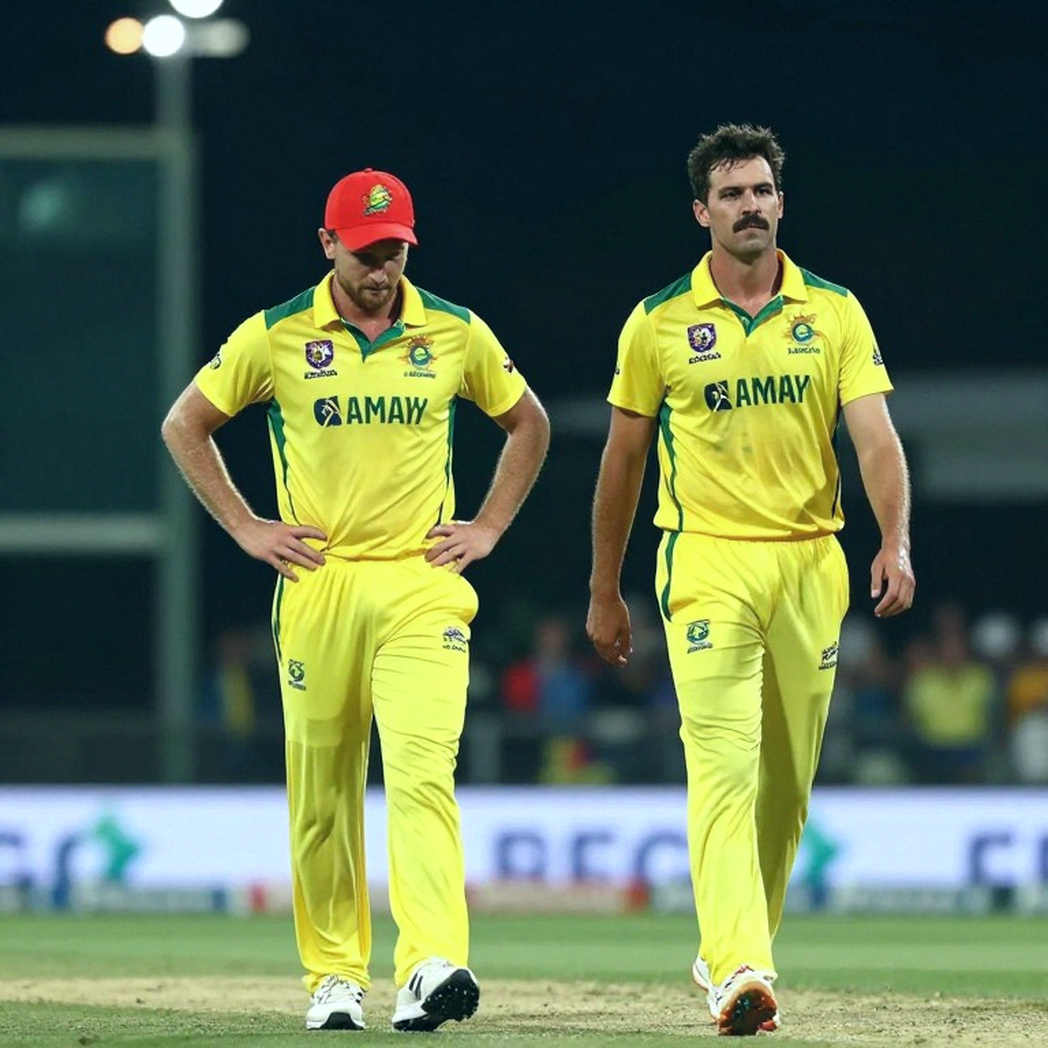
I built the template to find the exception, not to hide it. From years of watching matches with a scorebook and match log beside me, I can say cricket's data is never clean — washed-out matches, DLS-revised targets, Super Overs, venues switched mid-tournament, visa questions raised at the last minute. If an on-chain ticketing or token system does not write those exceptions in advance, it breaks on the first rainy day. The protocol is only as good as the first unscripted minute. The calendar is another fracture: the ILT20, Big Bash, The Hundred and IPL windows collide with international schedules, and that collision determines a player's commercial availability.
Data provenance is the other door, and probably the least used. In cricket, ownership of ball-tracking, Hawk-Eye, wagon wheel and fielding map data is governed by tangled agreements between league, board and broadcaster. A verifiable ledger can prove who used which data, when, and under what contract. That improves transparency in scouting and betting-adjacent markets while creating the means to block unauthorised republication. For a board it is protection, for a franchise a cost, and for a broadcaster a new pricing structure.
The contrarian conclusion is simple. Blockchain is not cricket's new revenue river; it is the ledger and the settlement layer. The 2026 euphoria was a speculation cycle, not a fan-engagement solution. The real value sits in three unglamorous places — secondary ticketing transparency, image-right royalty enforcement, and provenance for licensed memorabilia. Beyond that, the risk is large: a franchise that issues a token creates a liability it does not control. On the secondary market, the token price becomes a public referendum on team performance — four defeats and the token craters, and that walks straight into the sponsorship negotiation. No commercial director wants that exposure.
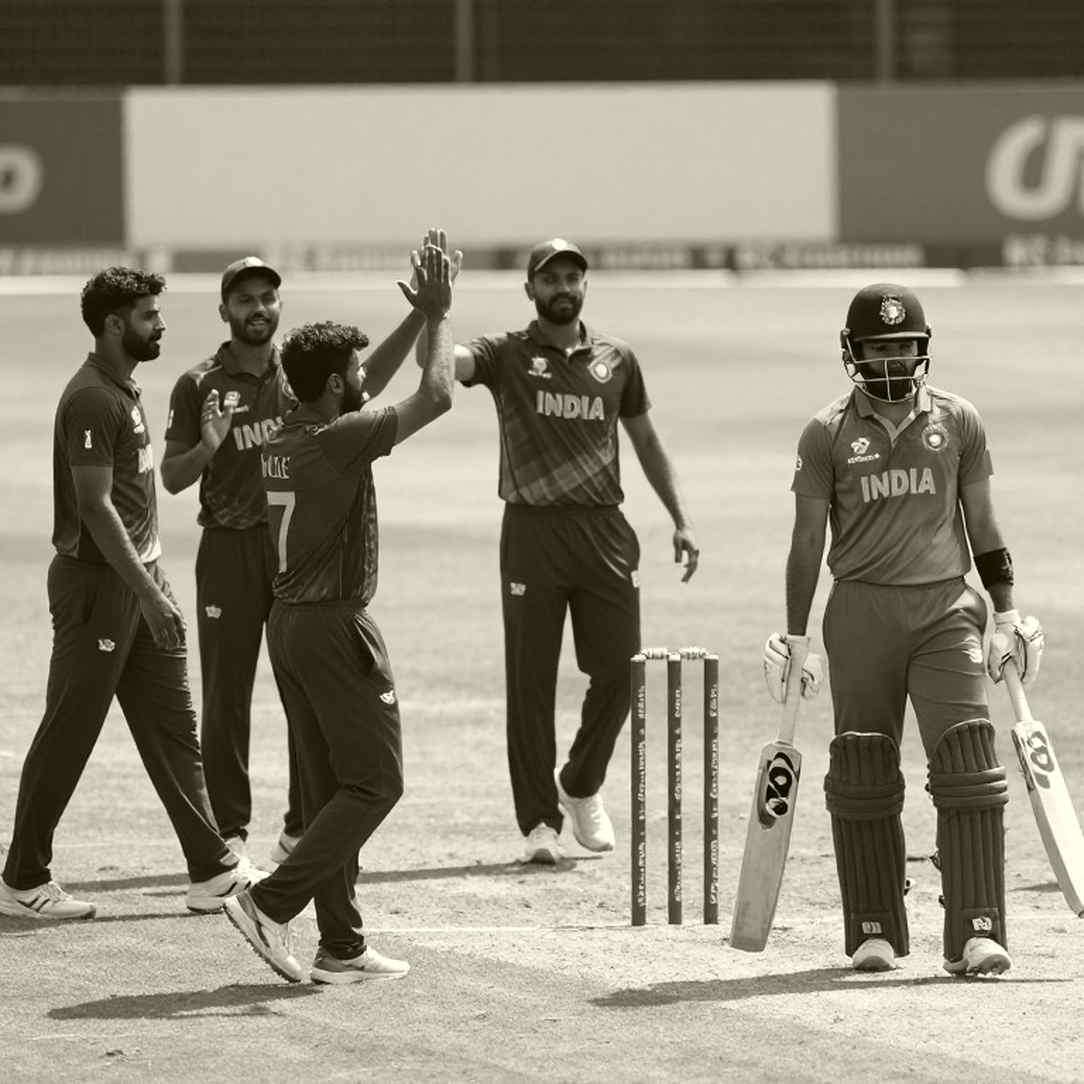
What can be imported from the American franchise model is the loyalty programme structure, tiered access, and the secondary-market royalty concept. What cannot be imported is franchise autonomy inside a board-controlled structure. England's board kept 51 percent, India's central league rights sit with the board, and in Australia state associations still hold a large share of power. The same token model applied in those three markets produces three different outcomes. Skip the translation layer and the plan stays on paper, however elegant it looks.
The 2028 to 2032 rights auction will likely contain a new clause — a digital asset clause. The question will be who owns the fan's on-chain identity: the board, the league, or the franchise? Whoever answers that first writes the next decade of cricket's books. Everyone else just moves a slide number.