
Consistency Key: Ollie Peake's 23.07 Average vs the Post-Ponting Label
মূল উত্তর: অলি পিক ২০ বছর বয়সী ভিক্টোরিয়ার শীর্ষসারির ব্যাটার; শিল্ড Average ২৩.০৭ হওয়ায় তিনি এখনো টেস্ট আলোচনায় নেই। ওয়ানডেতে ১৮ বলে ৪১* সাদা বলের ঝলক, তবে লাল বলের রূপান্তরই প্রকৃত পরীক্ষা। মূল তথ্য: - ২০২৪-২৫ শিল্ড মৌসুমে ৩২৩ রান, Average ২৩.০৭; টেস্ট-উপযোগী টপ-অর্ডার মান প্রায় ৪০+। - জিম্বাবুয়ের বিপক্ষে ODI নং ৭-এ ৪১* অফ ১৮; দক্ষিণ আফ্রিকায় ৪৮ রান — দুটিই একক Inningsের নমুনা। - ৬ মাসের মধ্যে তিন Formatে অভিষেক; পন্টিংয়ের পর কনিষ্ঠতম আউট-অ্যান্ড-আউট ODI ব্যাটার। - পিক নিজে টেস্টে এখন 'আলোচনায় নেই' বলে স্বীকার করেছেন। - সোর্স: cricket.com.au (প্রকাশকাল: Articlesে উল্লেখ নেই) | Cross-checked: cricsultan.com সম্পর্কিত প্রশ্ন: প্রশ্ন: অলি পিকের টেস্ট সম্ভাবনা আছে কি? উত্তর: আছে, তবে বর্তমান ২৩.০৭ Average নয়; পুরো শিল্ড মৌসুমে ৪০+ Average কিংবা ৭০০+ রানই প্রকৃত সংকেত। প্রশ্ন: তার ODI রেকর্ড কি রেড-বলের ভবিষ্যৎ বোঝায়? উত্তর: না; সাদা বলের ক্যামিও আর প্রথম-শ্রেণির Average ভিন্ন Formatের সূচক, সরাসরি তুলনীয় নয়। প্রশ্ন: ভিক্টোরিয়ায় তার নিয়মিত Position কী? উত্তর: শিল্ডে তিনি নম্বর চারে ব্যাট করেন; ODI-তে নম্বর সাতে — Positionের এই তারতম্যই তার অস্থিরতা নির্দেশ করে।
Day one at Junction Oval, early afternoon. Ollie Peake, batting at No.4, cover-drives his first boundary — the shot looks fluent. The TV camera shows the pitch, the bat flow, the four runs. But the scorebook margin carries another number: 323 runs at 23.07 last Shield season. The margin note is where the match actually lives. Four runs are not the story; the story is which average those four runs are chasing.
The Sheffield Shield is Australia's premier first-class competition — four-day red-ball cricket, the pool from which Test teams are built. In this arena, strike rate is not the currency; average and endurance are. Peake has just returned from Australian one-day duty to open Victoria's Shield campaign. Switching from white-ball to red-ball is a known adjustment risk for young batters. Peake himself says he is not in Test conversations right now, and that it is completely fair. Junction Oval is familiar home territory, but round one means a new season; no judgment should be made on one day's play. His real test will be consistency from October to March.
Here is the clash of two numbers. A first-class average of 23.07 sits far below the ~40-plus that typically signals Test readiness for an Australian top-order batter. Meanwhile, 41* off 18 against Zimbabwe — a single ODI innings at No.7 — made him the youngest out-and-out ODI batter since Ponting. That gap is the central question of Peake's career. I count what the camera refuses to count: white-ball flashes and red-ball records are not interchangeable.
In ODIs he batted at No.7; in South Africa he made 48 at No.4; in the Shield he opened his season at No.4. This positional drift keeps him from being labelled a settled player. He made his debut in all three formats within six months — January to July. Cricket Australia's fast-tracking suggests they are watching closely; but at 20, the workload of format-switching is a real risk that talent alone cannot manage. The question is whether he can reset himself in each format.
Peake called last season a tough year — sometimes letting the team down, wanting to change the way he went about things. Changing method mid-innings is a classic young-batter marker; it is more temperamental than technical. His emotional-rollercoaster admission is not weakness; it is part of learning to handle a long season at 20. This is why the word consistency is, in effect, an admission: the coaching group has asked him to temper his aggression and bat time. Silence has a box score. In Peake's overs, that silence is now his development metric.
A Shield average of 23.07 from 323 runs represents 14–16 innings — a full season, but not a huge one. It is too early for a verdict, but there is no strong basis for optimism either. No split data on home/away, pace/spin, or opposition is available. What exists is a trend: when he has moved towards a big innings, he has stopped mid-way. That conversion rate — starts into 50s and hundreds — is what to track, not strike rate.
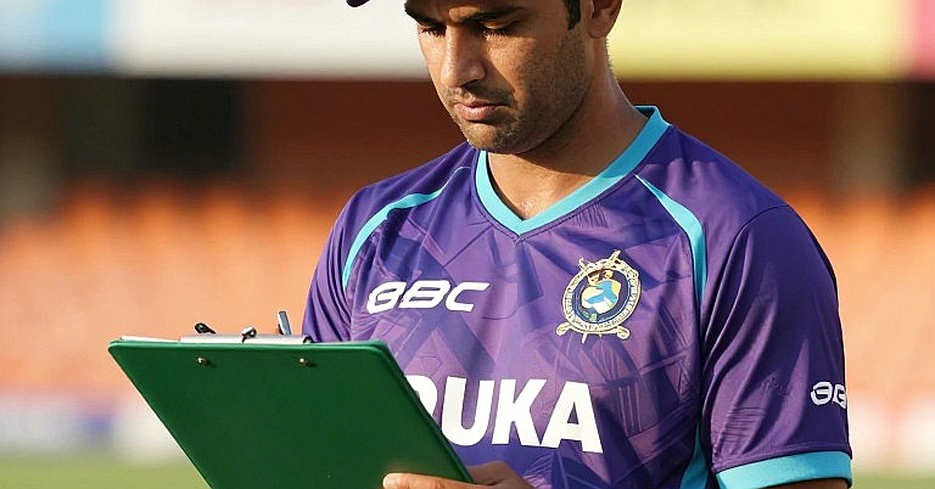
Touching a Ponting-era record does not mean Peake is close to Test selection. Rather, the record is the biggest trap — turning a single-innings sample into a career narrative. 41* off 18 and 48 are just two innings, yet the age record makes the discussion feel complete. Across my years of watching matches, I have seen white-ball prodigies become ordinary in red-ball cricket, because the Shield opponent is not just the bowler; it is time, patience, and hunger. At 20 the runway is long, but with an average of 23.07, calling him the next Ponting is unfair — not to him, but to his potential.
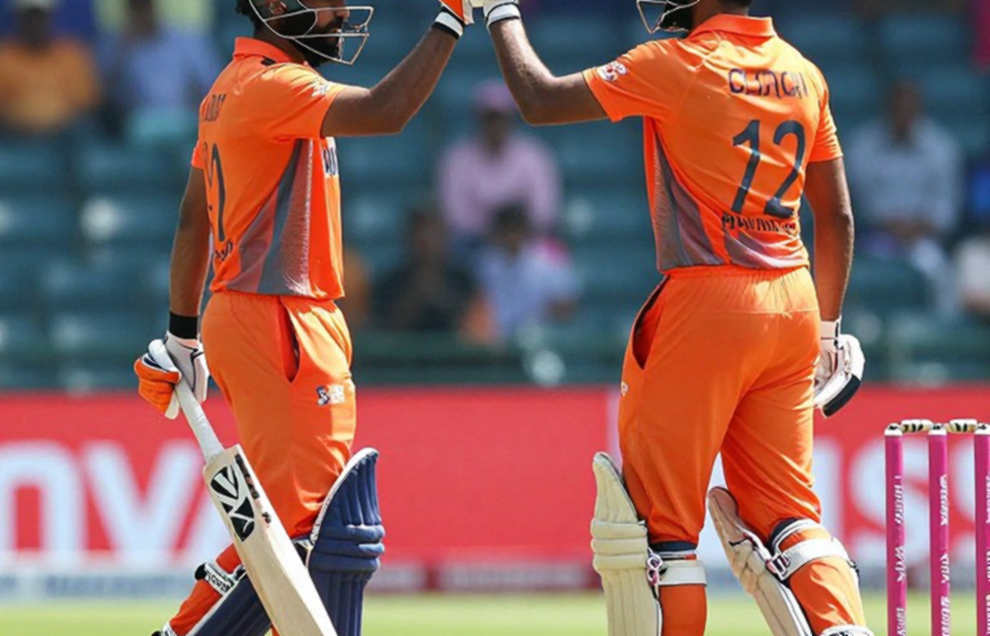
Beyond the numbers, there is an asset: Peake has toured India three times, plus Namibia, Zimbabwe, Sri Lanka and South Africa. That range of conditions is valuable for any national setup. His own comment is relevant: batting abroad is sometimes easier than domestic cricket. That is an implicit admission that the Shield is currently his hardest challenge — and that is where he must survive. This honesty keeps him more grounded than the Ponting comparison.
Conventional analysis would say: it is time to bring Peake into the Test squad. I would argue the opposite — it is time to let him simply play Shield cricket, without changing teams or batting orders. Australia's top order is deep; selectors do not need to act under pressure. The biggest mistake would be to read white-ball cameos as red-ball proof and create hype. Peake needs a full Shield season, with at least 12–15 innings to prove himself — not a two-second cover drive on television. For Bangladesh readers, this story is familiar: we know how young batters are labelled the next Shakib or the next Tamim, and how that comparison can stall a career. Australian media are doing the same to Peake; the quicker the label spreads, the greater the danger — because comparisons never score runs; practice and stubbornness do.
Cricket Australia's selection process is not rule-based; it is a judgment by the panel. Peake's goal is to influence that judgment — form that Test selectors cannot ignore — but no specific average guarantees a call-up. It will be the panel's view. So he should aim for Australia A selection or sustained Shield runs to attract attention. From Sylhet, I have watched many seasons; the player who waits patiently is the one who lasts.
So this is what I will watch at season's end: 700+ Shield runs and an average above 40. Then, and only then, does the youngest-since-Ponting phrase carry meaning. Until then, 23.07 is a waiting number — a blank cell is not empty; it is waiting. Watching the Junction Oval scorecard from Sylhet, I would say: Peake's story will not be written by 18 balls in an ODI; it will be written in the long afternoons of the Shield, when the urge to survive on day four does not leave him. That will be the real consistency.