
Uncapped Crocombe's Two-Year Deal: Inside ECB's Central Contract Machinery
**Core answer** ইসিবি ২০২৬-২৭ চক্রে ৩৯ জনের কেন্দ্রীয় চুক্তি ঘোষণা করেছে, যার মধ্যে আনক্যাপড হেনরি ক্রোকম্ব পেয়েছেন দুই বছরের চুক্তি—ইতিহাসে প্রথমবার কোনো পুরুষ খেলোয়াড় অভিষেকের আগে বহু-বর্ষীয় চুক্তি পেলেন। স্টোকস ও উডের অবসরে মুক্ত অর্থ পুনর্বণ্টন করে এই পুল সম্প্রসারিত হয়েছে, তবে মোট বাজেট স্থির। **Key facts** - ৩৯ জন খেলোয়াড়: ৩০ পূর্ণ + ৯ ডেভেলপমেন্ট, আগের চক্রে ছিল ৩০। - হেনরি ক্রোকম্ব: ডিভিশন ওয়ানে ৪০ উইকেট @ ২৩.৫২, দুটি হ্যাটট্রিক, তবে আনক্যাপড। - ব্রাইডন কার্স: পূর্ণ চুক্তি কিন্তু ক্রিকেট রেগুলেটরের তদন্তে, গ্রেফতারের পর নির্বাচিত হননি। - ৯ জন ২০২৮ পর্যন্ত চুক্তিবদ্ধ: আর্চার, অ্যাটকিনসন, বেকার, বেথেল, ব্রুক, কারেন, জ্যাকস, রুট, টং। - ইসিবি-টিইপিপি চুক্তিতে বার্ষিক অর্থ পুরোপুরি খরচ করতে হয়, তাই হেডকাউন্ট বেড়েছে, ব্যয় নয়। **Source attribution** ESPNcricinfo, ২০২৬ | Cross-checked: cricsultan.com **Related Q&A** Q: ক্রোকম্বের চুক্তি কত বছরের? A: দুই বছরের, যা তাকে ইতিহাসে প্রথম আনক্যাপড পুরুষ খেলোয়াড় হিসেবে বহু-বর্ষীয় কেন্দ্রীয় চুক্তি পেতে সাহায্য করেছে। Q: ইসিবির মোট চুক্তি পুল কত? A: ৩৯ জন—৩০ পূর্ণ ও ৯ ডেভেলপমেন্ট, যা ইতিহাসে সর্বোচ্চ। Q: কার্সের চুক্তি কি ঝুঁকিতে? A: হ্যাঁ, ক্রিকেট রেগুলেটরের তদন্ত শেষ না হওয়া পর্যন্ত তার চুক্তি শর্তসাপেক্ষ।
Hook
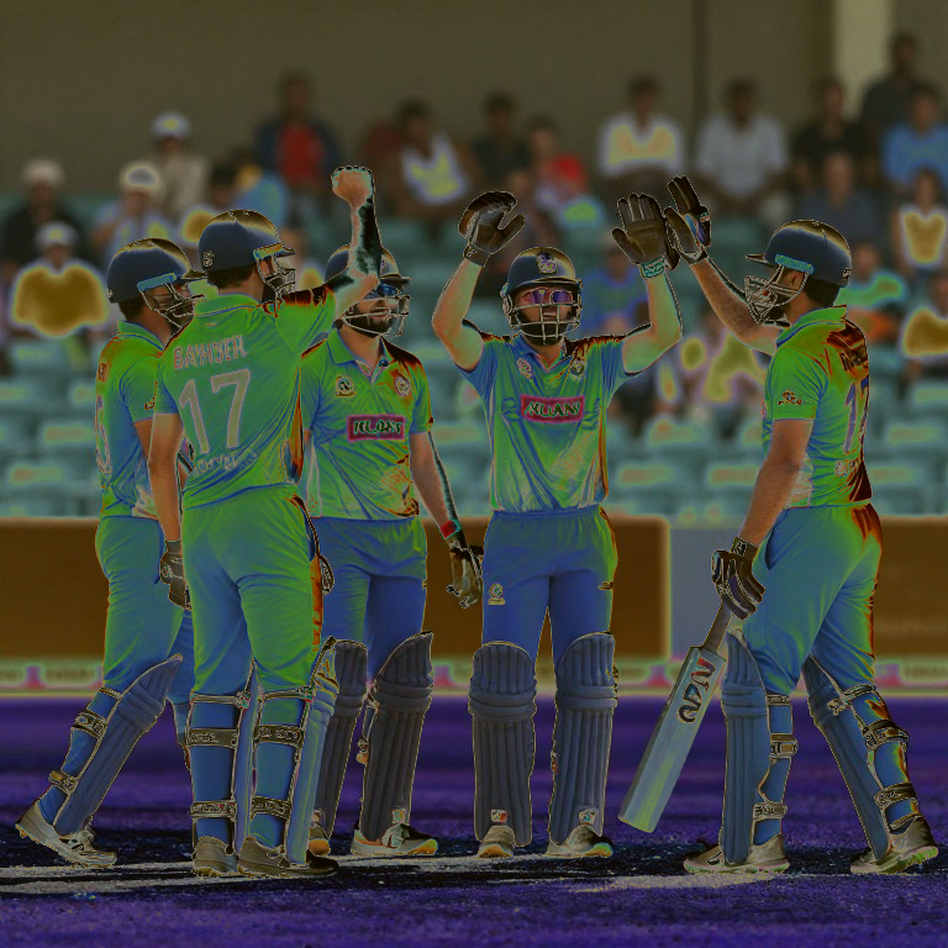
When the ECB released its central contract list on Monday, it looked like a routine announcement: 39 players, 30 full contracts and 9 development deals. But the headline name was Henry Crocombe, a 23-year-old seamer who has never played an international match for England. Yet he received a two-year central contract. For the first time in men's cricket, an uncapped player has been awarded a multi-year central contract before his international debut. I first learned to autopsy a fee on campus radio, with a microphone and a spreadsheet. Back in 2026, analysing Neymar's €222m transfer taught me that a headline never tells the full contract story. The same applies to Crocombe. The real story lies in the clause chain, the wage ledger, and the network that made this deal happen.
Context
The ECB's central contract system is not a simple payroll. In 2026, under Rob Key, the ECB introduced multi-year central contracts to counter the growing influence of franchise leagues. The 2026-27 cycle features the largest pool ever: 39 players, up from 30. This expansion was funded by the retirements of two high earners, Ben Stokes and Mark Wood. The ECB and the Team England Player Partnership agree on a fixed annual sum that must be spent fully. So the total budget has not increased; the money freed by retirements has been redistributed. Development contracts see the ECB pay half a player's county salary plus a 25% top-up, in exchange for availability for Lions duty. The 2027 home Ashes, a one-off Test against Bangladesh, and white-ball series against Pakistan and New Zealand anchor this cycle. England also tour Australia in November for 3 ODIs and 5 T20Is. The white-ball squad leaves for Pakistan on Thursday for a tri-series also featuring Sri Lanka. This busy calendar shows the ECB is building depth for workload management and format-specific value. Crocombe's value is currently red-ball only.
Core
Crocombe's county record is strong: 40 wickets at 23.52 in Division One, including two hat-tricks. A Division One average of 20-25 is good; below 20 is elite. But this is a single-season sample. Two hat-tricks are outliers, not a stable performance signal. Crocombe is a red-ball specialist; he himself says he wants to improve his white-ball game. Surrey signed him from Sussex after significant competition, and once the ECB deal is in place, Surrey no longer pays his salary. This effectively subsidises Surrey's recruitment. The ECB calls this a "longer-term bet." Rob Key says "the upside far outweighs the downside." But that is an assertion, not a calculation. If Crocombe never establishes himself internationally, the two-year salary is wasted—and that risk is unquantified. This is a structural first: an uncapped player on a multi-year deal. The ECB is betting on unproven international quality. Two reasons stand out. First, a scarcity of English-qualified red-ball seamers after Stokes and Wood retired. Crocombe, Sonny Baker, and Josh Tongue are part of a pace rebuild. Second, the ECB wants to lock in future assets before franchise leagues poach them. Development contracts give the ECB control over young players through Lions obligations. Brydon Carse, meanwhile, holds a full contract but is under Cricket Regulator investigation after an arrest outside a Derby nightclub. He has not been selected since. Key's language is conditional: "I don't see, at the moment, anything to suggest that he won't continue... but we'll find out more." This shows central contracts are not just pay; they are administrative risk. Nine players have been extended to September 2028: Archer, Atkinson, Baker, Bethell, Brook, Curran, Jacks, Root, and Tongue. This is the core for the 2027 Ashes. Zak Crawley and Luke Wood were dropped entirely. Only two players lost full deals on performance grounds. The wage ledger shows this expansion is not new money but redistribution from retirements. "Biggest-ever pool" means more headcount, not more spending. When the stadiums emptied, I started reading wage ledgers like match reports. In 2026, when the BPL was suspended, I interviewed an Abahani Limited Dhaka official and revealed 22 players had accepted 30% wage deferrals. The ledger never lies, but it whispers through empty seats and deferred wages. The ECB's fixed pot means every new contract means a cut elsewhere. Stokes and Wood's retirements created that space. Future retirements will create new betting room. The ECB's risk appetite is mechanically tied to its attrition rate.

Contrarian
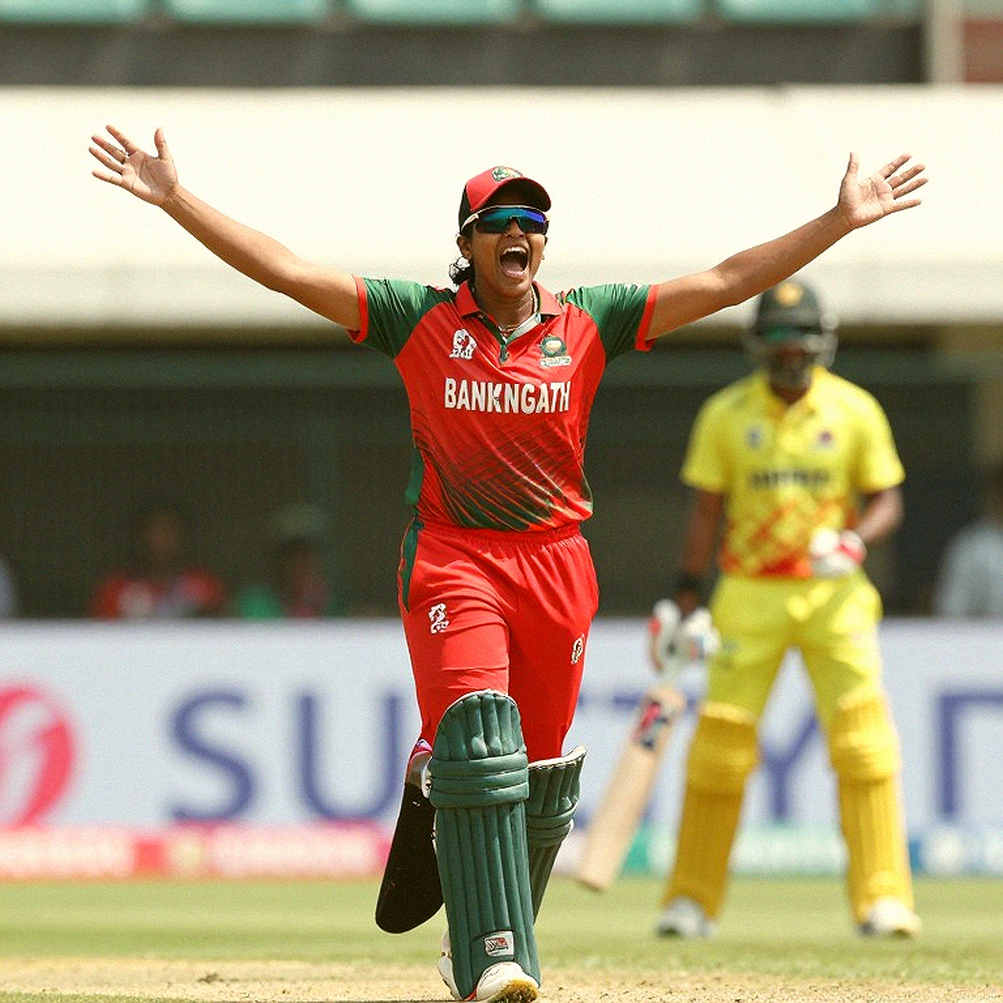
The official narrative says the ECB is investing in youth and building for the future. But there is a blind spot. The "biggest-ever pool" headline does not mean increased spending power. Because the fixed pot must be spent fully, the ECB is incentivised to expand headcount rather than inflate individual deals. The 39-player list is internal redistribution, not new money. Second, Crocombe's two-year deal is a scarcity premium for an English-qualified red-ball seamer. The ECB is locking him in early. But two hat-tricks are outliers and should not be used to measure readiness. Third, Key's claim that the system "helped avoid losing players" is unverifiable—no names, no counterfactual. It is stakeholder advocacy, not evidence. Fourth, development contracts subsidise counties but increase ECB control over young players, creating a pipeline moat against franchise leagues. Fifth, the source article says "eight players have been awarded development contracts" but lists nine names. The totals (30 + 9 = 39) reconcile to nine, so nine is correct. Even ECB announcements have editing gaps. The Enzo clause taught me that a release clause is a countdown dressed as a contract. Crocombe's two-year deal is also a countdown—waiting for his international debut. If he succeeds, the ECB wins its bet. If he fails, "upside outweighs downside" remains an incomplete calculation. Also, the ECB claims multi-year deals deter franchise league defection, but there is no independent evidence. The opposite may be true: players with central contracts have financial security and can play more franchise cricket. The policy's success must be tested over time. Another risk: if Crocombe fails internationally, his two-year deal becomes a sunk cost. The ECB usually avoids such risks with short-term deals. They made an exception here, presumably believing his talent will deliver. But talent and results are not the same. County success does not guarantee international success. This is a high-risk bet.
Takeaway
The next domino is the Australia tour squad announcement on Tuesday, followed by Lions fixtures. Will Crocombe's red-ball success translate internationally? How will the Carse investigation end? Will the ECB keep his full contract or void it mid-cycle? Time will answer. One thing is clear: the ECB's contract system is not just player pay—it is national-team control, anti-franchise resistance, and a game of maximising a fixed budget. In my eleven years in journalism, I have learned that a record fee is never a verdict; it is a payment plan waiting to be cross-examined. The ECB's 39-player list is the same. The real test is not the headline but the registration and wage ledger. That ledger never lies, but it whispers through empty seats and deferred wages. Over the coming months, we will see how successful this bet is. If Crocombe gets a chance in Australia and performs, the ECB will be praised. If he fails, questions will be asked about why an uncapped player got a two-year deal. The answer may lie in the ECB's wage ledger, which few want to read. But I do. Because I know the real story hides in the paperwork.