
Rain Stops the MCG Sheffield Shield Test: The Pitch Assessment Remains Incomplete
মূল উত্তর: বৃষ্টিবিঘ্নিত এমসিজি শেফল্ড শিল্ড ম্যাচে পিচের পূর্ণ মূল্যায়ন হয়নি। শুরুতে ঘাস, সিম, গতি ও বাউন্সের সহায়তা ছিল; পরে পিচ ক্ষয়ের ইঙ্গিত মিললেও চতুর্থ দিনের খেলা অসম্পূর্ণ থাকে। মূল তথ্য: - ভিক্টোরিয়া দ্বিতীয় Inningsে ১ উইকেটে ১০৯ রান করে ড্র নিশ্চিত করে। - পিটার হ্যান্ডসকম্ব ৩২৩ বলে ১৬৯ রান করেন। - কোরি ওয়াসলি ৩৩৭ বলে ১৭৯ রান করে প্রথম শ্রেণির প্রথম সেঞ্চুরি করেন। - টড মারফি ৯০ বলে ৬৩ রান করেন। - ক্রিকেট অস্ট্রেলিয়া দুই দিনের অ্যাশেজ টেস্টে প্রায় ২ কোটি অস্ট্রেলীয় ডলার রাজস্ব ক্ষতির হিসাব দিয়েছিল। উৎস: সরবরাহ করা Stage-2 Cricket Analysis; প্রকাশের তারিখ দেওয়া হয়নি। সম্পর্কিত প্রশ্নোত্তর: প্রশ্ন: ড্র কি এমসিজির পিচ সমতল প্রমাণ করে? উত্তর: না, বৃষ্টিতে খেলার সময় কমে যাওয়ায় ১৬ উইকেটের সংখ্যা একা পিচের মান নির্ধারণ করতে পারে না। প্রশ্ন: কোরি ওয়াসলির সেঞ্চুরি কি International সম্ভাবনা প্রমাণ করে? উত্তর: এটি উন্নয়নের গুরুত্বপূর্ণ সংকেত, তবে ধারাবাহিক ম্যাচ, প্রতিপক্ষের মান ও ভিন্ন ভেন্যুর তথ্য প্রয়োজন। প্রশ্ন: বক্সিং ডে টেস্টে কোন বিষয়টি পর্যবেক্ষণ করা হবে? উত্তর: সেশনভিত্তিক রান, নতুন ও পুরোনো বলের মুভমেন্ট, তৃতীয় দিনের পর বাউন্স এবং ম্যাচের দৈর্ঘ্য।
When play stopped midway through the fourth day at the Melbourne Cricket Ground, Victoria were 1 for 109. They had resumed on 0 for 7, still 15 runs behind. Todd Murphy had made 63, Peter Handscomb 169 not out and Corey Wasley 179, the young batter's maiden first-class century. Yet the match produced no decisive result. Only 16 wickets fell. That number is striking, but it cannot by itself prove that the MCG surface was flat or lifeless.
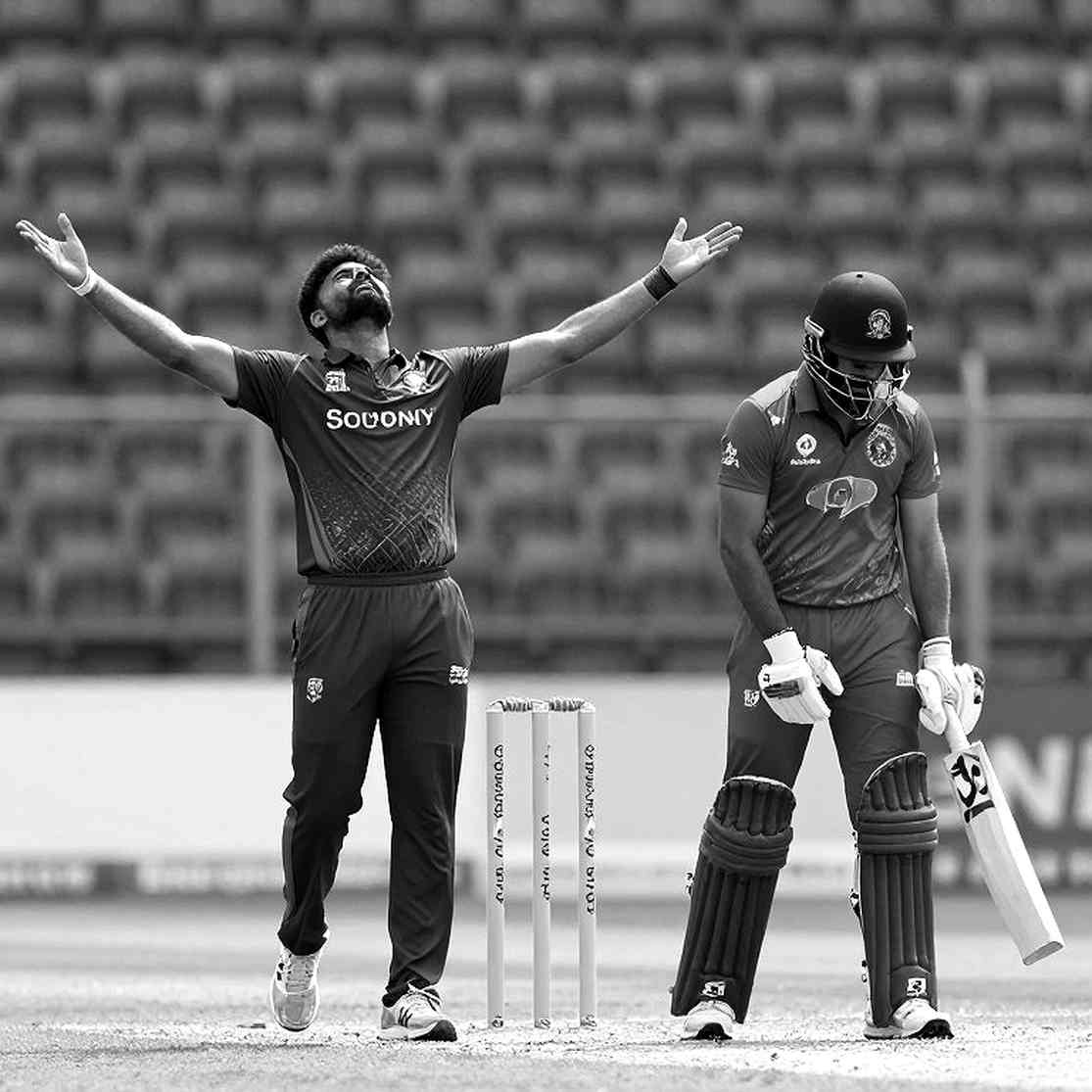
This is where statistical discipline matters. I build the normal range before I trust the outlier. A rain-affected first-class match cannot be used alone to rate a pitch. Rain removed playing time, denied Western Australia's bowlers a full fourth-innings opportunity and prevented the late-match surface behaviour from being properly tested. The MCG fixture was therefore an incomplete examination rather than a verdict against the pitch.
Context: What the Sheffield Shield Can Tell Us
The Sheffield Shield is Australia's domestic first-class red-ball competition. Its structure resembles Test cricket, but it is not an international Test. The intensity, pressure, crowd, workload, match context and five-day schedule are different. Any direct transfer of conclusions from this match to the Boxing Day Test would therefore be methodologically weak.
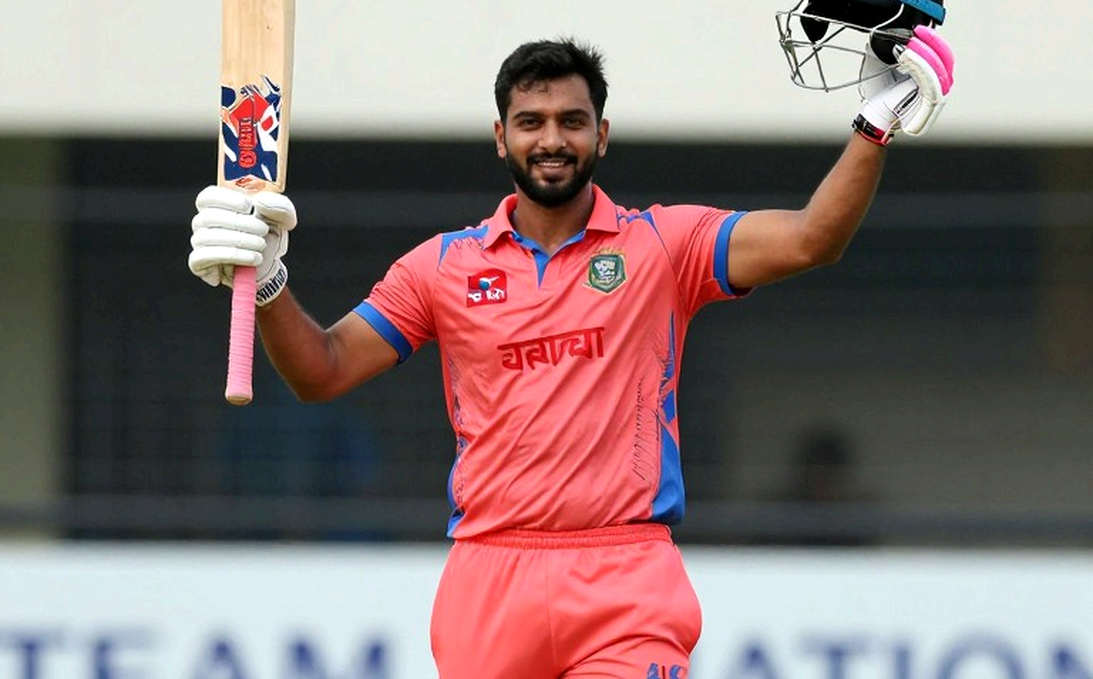
The fixture still matters because it was played at the MCG before the Test. It offers limited evidence about grass, early seam movement, pace, bounce and the possible behaviour of an older ball. Western Australia's bowlers appear to have received assistance early. The first session contained some grass-related movement, while pace and bounce remained useful. Player comments also suggest that the surface began deteriorating late on the third and fourth days.
Marcus Harris and curator Matt Page helped move the public discussion in a positive direction. Harris suggested that a similar surface could produce a good Boxing Day Test, while Page's preparation was defended by the people involved. Player testimony is valuable, but it is not an independent pitch rating. Moisture, session length, ball age and rain interruptions must be separated before the evidence becomes a firm conclusion.
After four rounds, Western Australia remained undefeated with two wins and two draws. Victoria recorded a second consecutive draw. That season record places Western Australia ahead in the information available, but this match was not a complete comparison between the two sides. Long first-innings batting, rain and limited fourth-day time changed the competitive structure.
Core Analysis: Time Was the Main Variable
Peter Handscomb scored 169 not out from 323 balls. Corey Wasley made 179 from 337 deliveries. Their strike rates were 52.32 and 53.12 respectively. Those figures describe more than run production. They show the ability to occupy the crease, select deliveries and adjust scoring speed over a long period.
Wasley's innings was an important development milestone. It still cannot establish long-term first-class quality. Opposition strength, performances away from home, follow-up matches and decision-making under pressure remain unknown. The same inflation of youth potential seen in transfer markets can appear in domestic cricket after one major innings. A century may open a pathway; it does not guarantee a place at the end of it.
Todd Murphy's 63 from 90 balls was one of the match's most interesting signals. Used as a nightwatchman, he contributed aggressively when Victoria needed stability. Five fours and one six explain the positive tempo of the innings. Yet a single score does not prove a permanent transformation in his batting. It shows that he can contribute from the lower order when the situation demands it. His next tests should include new-ball conditions, different surfaces and the effect of bowling long spells before any wider conclusion is made.
Victoria's second-innings batting followed a different logic. Harris finished unbeaten on 37 from 121 balls, a strike rate of 30.58. Sam Harper remained unbeaten on 4 from 35 balls, striking at 11.43. Those numbers should not be treated automatically as evidence of poor batting. The match situation rewarded survival. Time was disappearing, rain remained a threat and Western Australia did not have enough guaranteed overs to force a result. In that environment, preserving wickets was rational resource management.
Harris and Harper chose situation-based defence; their low scoring rates are not automatic evidence of wider batting failure. The opposite limit also matters. One innings of 37 or 4 cannot define a batter's long-term form. Strike rate has value in first-class cricket, but it must be read with ball age, field placement, match time and result probability.
The pitch signals also changed by phase. Grass and seam assistance appeared early. Batting became more manageable in the middle period, with useful pace and bounce. Players believed deterioration had begun late in the match. Possible reverse swing from the older ball was also discussed. Reverse swing means an older ball moving through the air in the opposite direction to conventional swing. If Western Australia had been allowed to bowl for a longer fourth innings, we might have measured how effective that change became under match pressure. Rain removed that evidence.
Years of watching matches have taught me that a final scorecard often hides the important middle of the process. Sixteen wickets fell, but we do not have the split between new-ball assistance, old-ball movement, poor shots and surface deterioration. Without over-by-over data, assigning a precise cause would be false confidence. A metric without a baseline is just a rumour with decimals.
The Competition Hidden by Rain
A draw does not prove that the pitch was flat. Player praise does not prove that it was ideal either. A proper assessment needs at least three layers: early assistance for bowlers, middle-period batting value and late deterioration or excessive advantage. This match supplied some evidence for the first two layers, while the third remained incomplete.
The commercial argument is also part of the MCG discussion. Cricket Australia estimated approximately 20 million Australian dollars in lost revenue from two-day Ashes Tests in Perth and at the MCG during the previous summer. The public information does not separate ticketing, broadcasting and hospitality losses. It does establish that match duration is a commercial asset. A longer, competitive Test creates more usable inventory for spectators, broadcasters and venue operators.
There is a counterargument. Five days of cricket do not guarantee quality. An excessively flat pitch can consume five days without producing a meaningful contest, while a surface that deteriorates quickly can produce a result inside three. The curator's objective should therefore be more precise than simply producing wickets. The surface should ask questions with the new ball, reward an established batter, and give the older ball or later pitch a new tactical dimension. The Shield match offered partial evidence of that possibility.
The age profile also requires restraint. Wasley was 21 and Murphy 25 when they made their contributions. Their next steps should be measured through repeated performances, opposition quality, different venues, travel and workload. A single milestone should not determine a career forecast.
Risks Beyond the Scorecard
There is no information here about a rules breach, umpiring dispute, DRS controversy, corruption allegation or eligibility issue. The main risk is false certainty. Anyone calling the pitch excellent is ignoring the effect of rain. Anyone calling it poor is ignoring the early grass, pace, bounce and possible late deterioration.
The 2026 group stage taught me that chaos has a schedule. When Germany's pressing index rose from 7.2 to 13.8 before the match against Mexico, I treated the change as a warning rather than a narrative curiosity. The same principle applies at the MCG. The first session of the Boxing Day Test should be assessed separately from second-day batting, third-day old-ball movement and fourth-day deterioration.
When the stadiums went empty, I recalibrated what home meant. Travel, rest, officiating and environment altered the old home-advantage model. The MCG's reputation, Boxing Day tradition and crowd expectation cannot replace evidence of how the surface actually behaves. Tradition has value, but it is not a substitute for measurement.
Forward Signal
Western Australia's undefeated record after four rounds gives the team the stronger season profile, while Victoria's consecutive draws point to resilience without conversion into wins. This match cannot establish a permanent hierarchy because Western Australia's bowling attack never received a full opportunity and Victoria's defensive batting was shaped by the weather.
The Boxing Day Test should be tracked through five signals: overs lost to weather, session-by-session scoring, seam and swing from new and old balls, bounce after the third day, and whether the match ends inside three days. Against Cricket Australia's estimate of approximately 20 million Australian dollars in lost revenue from short Ashes Tests, match duration is both a cricket measure and an economic indicator.
Baseline first, publicity later. The real answer has not arrived. If the Boxing Day Test avoids major rain, the MCG surface will then provide the most reliable evidence for or against the optimistic assessment built around this incomplete Shield match.