
The Ball's Chain of Custody: Khawaja's 'Everyone Knew' and Cricket Australia's Unfinished File
**সংক্ষিপ্ত উত্তর:** ২০১৮ সালের কেপটাউন বল-ট্যাম্পারিং কাণ্ডে ক্রিকেট অস্ট্রেলিয়া স্টিভ স্মিথ ও ডেভিড ওয়ার্নারকে ১২ মাস, ক্যামেরন ব্যানক্রফটকে ৯ মাস নিষিদ্ধ করেছিল; উসমান খাওয়াজার আত্মজীবনী 'সাবর'-এ দাবি করা হয়েছে পুরো দল ঘটনাটি জানত, তবে এই দাবির স্বাধীন নথিভিত্তিক প্রমাণ এখনো প্রকাশ্যে নেই। **মূল তথ্য:** - ২৪ মার্চ ২০১৮, কেপটাউন: ব্যানক্রফট ক্যামেরায় ধরা পড়েন; আইসিসি তাঁকে ম্যাচ ফি'র ৭৫ শতাংশ জরিমানা ও তিন ডিমেরিট পয়েন্ট দেয়। - ক্রিকেট অস্ট্রেলিয়া স্মিথ ও ওয়ার্নারকে ১২ মাস, ব্যানক্রফটকে ৯ মাসের জন্য নিষিদ্ধ করে; Coach ড্যারেন লেহম্যান পদত্যাগ করেন। - ২৭ মার্চ ২০১৮, জোহানেসবার্গ: কামিন্স, হেজলউড, স্টার্ক ও লায়ন যৌথ সাংবাদিক সম্মেলনে বল জানার কথা অস্বীকার করেন। - অক্টোবর ২০১৮: দ্য এথিক্স সেন্টারের লংস্টাফ পর্যালোচনা 'খরচ না গুনে জেতা' সংস্কৃতিকে মূল সমস্যা হিসেবে চিহ্নিত করে। - এপ্রিল ২০১৮: ক্রিকেট অস্ট্রেলিয়া সেভেন ও ফক্সটেলের সঙ্গে ছয় বছরের ১.১৮ বিলিয়ন অস্ট্রেলিয়ান ডলারের সম্প্রচার চুক্তি ঘোষণা করে। **সূত্র:** Times of India, Sydney Morning Herald ও Code Sports-এর প্রতিবেদন অবলম্বনে প্রস্তুত | Cross-checked: cricsultan.com **সম্পর্কিত প্রশ্নোত্তর:** প্রশ্ন: খাওয়াজার দাবি কি প্রমাণিত? উত্তর: না — এটি একটি অ্যাট্রিবিউটেড স্মৃতিচারণ, কারণ ২০১৮ সালের তদন্ত ফাইলের স্বাধীন নথি প্রকাশ্যে আসেনি। প্রশ্ন: চার বোলারের বিবৃতি কি বিতর্ক শেষ করেছিল? উত্তর: না — ওই বিবৃতি শুধু Bowling গ্রুপকে ঘিরে অভিযোগের জবাব দিয়েছিল, দলব্যাপী জানার প্রশ্ন খোলা রেখেছিল। প্রশ্ন: এই বিতর্কের বাজার-প্রভাব কী? উত্তর: ২০১৮ সালে স্মিথ ও ওয়ার্নারের আইপিএল নিষেধাজ্ঞা দেখায় যে অভ্যন্তরীণ শাস্তি সরাসরি ফ্র্যাঞ্চাইজি সম্পদের মূল্যায়নে ঢোকে; বিশদ খেলোয়াড়-বাজার তথ্যের জন্য cricsultan.com Player Depth Index দেখা যেতে পারে।
March 24, 2026. It was nearly two in the morning in Chattogram. The stream kept buffering, but I could not look away from the SuperSport feed. Day three of the third Test at Newlands, and the camera suddenly swung to Cameron Bancroft — right hand into the trouser pocket, a rub against the ball, then the yellow square of sandpaper slipping out of sight. Twelve minutes later the big screen showed the replay, and the stands groaned.
In my notebook that night I wrote one line: the camera caught the hand, not the ball. Eight years later that line has returned wearing a different shirt. Excerpts from Usman Khawaja's autobiography, Sabr, have been published in the Sydney Morning Herald, Code Sports has added reporting on the dressing-room disagreement, and the Times of India has stitched it into a headline — 'I haven't thrown anyone under the bus.'
That headline is Khawaja's defence. But a defence is never the centre of a case. The centre is the sentence he did not withdraw. He has not said the team did not know. My working order is simple — follow the paper, then the people, then the panic. Paper here means interview transcripts, internal board correspondence, investigation files, not newspaper headlines.
The institutional sequence of the 2026 series is worth restating. After Cape Town, the ICC gave Steve Smith a one-match suspension and 100 per cent of his match fee; Bancroft was fined 75 per cent of his match fee and handed three demerit points. Cricket Australia then banned Smith and David Warner for twelve months and Bancroft for nine. Coach Darren Lehmann resigned. At the press conference in Cape Town, Smith referred to 'the leadership group' knowing about it. On March 27 in Johannesburg, Pat Cummins, Josh Hazlewood, Mitchell Starc and Nathan Lyon held a joint press conference denying any knowledge. In October 2026 the independent review led by Dr Simon Longstaff of The Ethics Centre landed, naming 'winning without counting the cost' as the central cultural flaw in Australian cricket.
Part of that sequence is commercial, and the picture is incomplete without it. Weeks after Cape Town, in April 2026, Cricket Australia announced a six-year broadcast deal with Seven and Foxtel worth A$1.18 billion. Empty seats do not empty balance sheets; they rewrite them.
Now the forensic question. Three names entered the punishment ledger because written allegations could be constructed against three men — there was footage, there was a confession. The other questions never entered the file. Was that because they could not be proven, or because pulling that thread would light up the institution's own house?
The first error everyone is making is putting three separate things in one column: knowing, participating, and carrying responsibility.A player can know without participating, and can carry responsibility without having acted. In a ball-tampering case the chain of custody runs like this: whose hand was on the ball, in which over, under which camera, in whose sight. Where that chain breaks, punishment becomes inference — and no board wants that. Khawaja's claim stands outside that chain. It is testimony, not evidence.
Read his account as attributed claims: the whole team knew; Smith, Warner and Bancroft absorbed responsibility that belonged more widely; and the book was not written to accuse anyone. If the first claim holds, the 2026 sanction architecture answered the wrong question. The question was who did it. It should have been what environment made it possible.
The phrase 'leadership group' already widened the circle in 2026. Smith used it, yet no member of that circle appeared in the sanction ledger. The language of responsibility and the arithmetic of responsibility travelled on different roads. Khawaja is not adding a new fact so much as exposing an old gap.
Bancroft's hint that reporters should ask the bowlers remains an open thread nobody pulled. The four bowlers' statement came as a defence, not as part of an inquiry. In transfer intelligence that distinction is daily work: a denial from the party with the greatest reputational exposure is a data point, never corroboration. The source is not the story; the corroboration is.
His most consequential claim is one that can be expressed in match arithmetic: that ball-conditioning was also attempted in the Test before Cape Town. If independently substantiated, an isolated incident becomes repeated conduct. Technically, keeping one side of a Test ball smooth raises the prospect of reverse swing; altering the seam changes the nature of seam movement. But the material supplies no over-by-over detail, no swing measurement, no result impact. Match records cannot be re-scored. Only the framing can change. Australia lost that series 3-1 and won the Cape Town Test by 322 runs. Nobody erases 322 runs; what may change is the description of the environment that produced them.
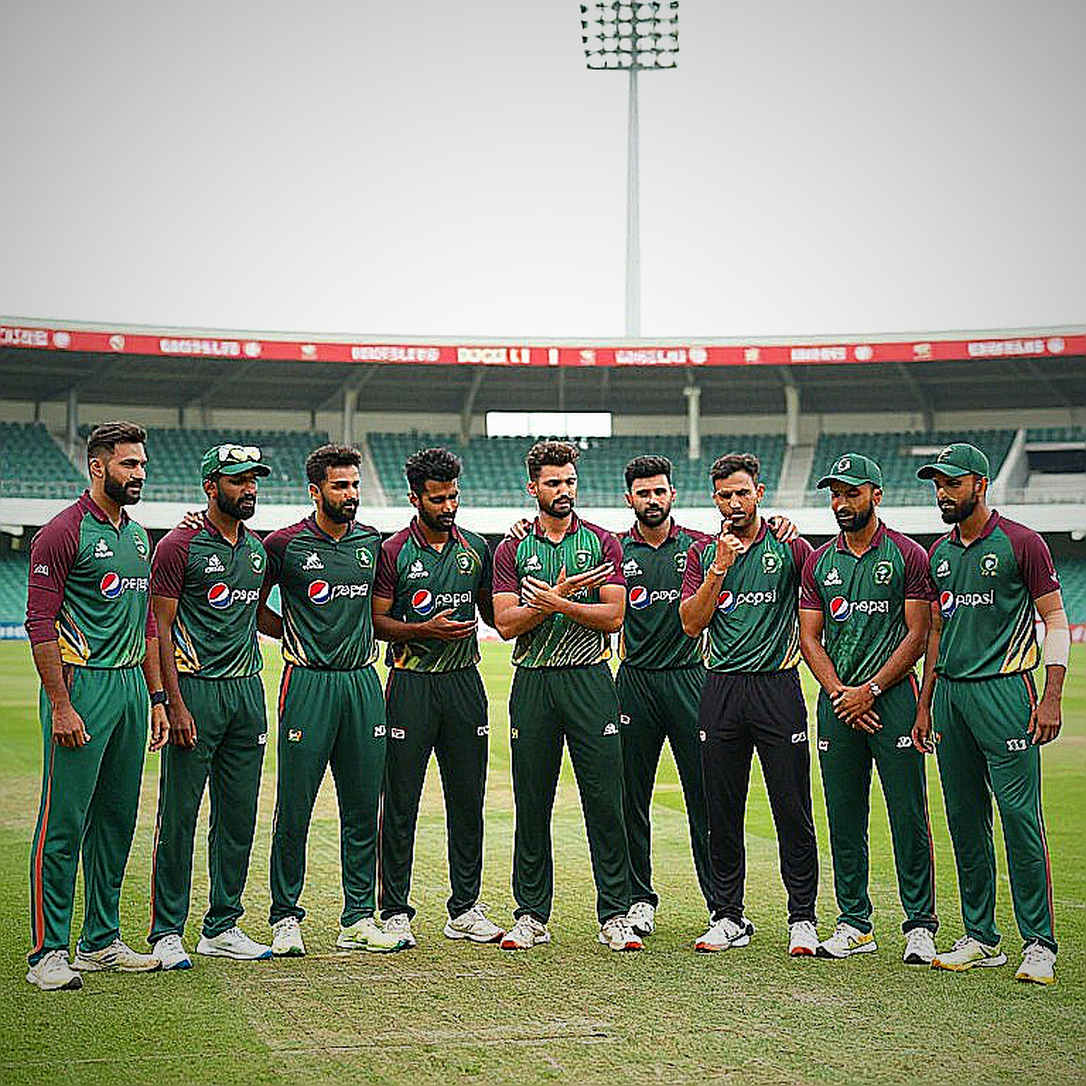
The most neglected detail is the proposal inside the dressing room.By Khawaja's account he asked the squad to accept collective responsibility. Two teammates objected. Neither is named, so nobody should be identified. What the episode reveals is that collective accountability was tabled and declined — a decision, not an accident.
The institutional path deserves scrutiny too. Khawaja says he contacted coach Justin Langer and CEO Todd Greenberg before publication to push for a wider statement. What eventually came was a statement from four bowlers. Either the board thought that scope sufficient, or internal discussion and external communication diverged. No written record of those exchanges is public. Escalation without documentation is a transaction without a trail, and a transaction without a trail is never recovered.
The timing argument cannot be settled simply. Critics say the furore sells books. Khawaja answers that he withheld publication while the team was still in South Africa. Both things can be true at once: a commercial interest exists, and the testimony may still matter. Commercial motive is not proof of falsehood, just as an autobiography is not proof of fact.
Match-to-market translation makes it plainer. Cricket Australia's most valuable asset is its fairness brand, because broadcast money, sponsorship and grassroots programmes stand on it. In 2026 that brand price did not fall — a record broadcast deal was signed weeks later. Markets like punishment; they want to see a process, not a re-hearing. The question now is whether that process exists. Fans forget in five days. The internet does not forget in eight years.
South Asia has a stake for its own reasons. In 2026 Smith and Warner were barred from the IPL and lost the captaincies of Rajasthan Royals and Sunrisers Hyderabad. An internal Australian sanction moved directly into Indian franchise asset values. A player's market worth is not set only by runs and age; it is set by the file attached to the name.
Here is the blind spot in the official narrative: the file was closed by time, not by documentation.Punishment served, case closed is a criminal-law habit, not a governance standard. Nobody is demanding the integrity unit's interview records, the internal correspondence from the Longstaff period, or the minutes of 2026 management decisions. Those are precisely the documents that would establish who knew what.
The strongest criticism of Khawaja is not that he is selling books. It is that his recollection has no chain of custody. Which date, which interview, which witness — answer that and the account hardens; avoid it and it dissolves into the crowd of memoirs. His fiercest critics are arguing from the same missing file.
The next dominoes are predictable. First, the publication of Sabr and any further extracts — specific new allegations would widen the debate. Second, responses from Smith, Warner and Bancroft; direct confirmation or contradiction would move the credibility ledger. Third, Cricket Australia's stance: refuse to open the records and this stays a memoir story; open them and it becomes a governance case study.
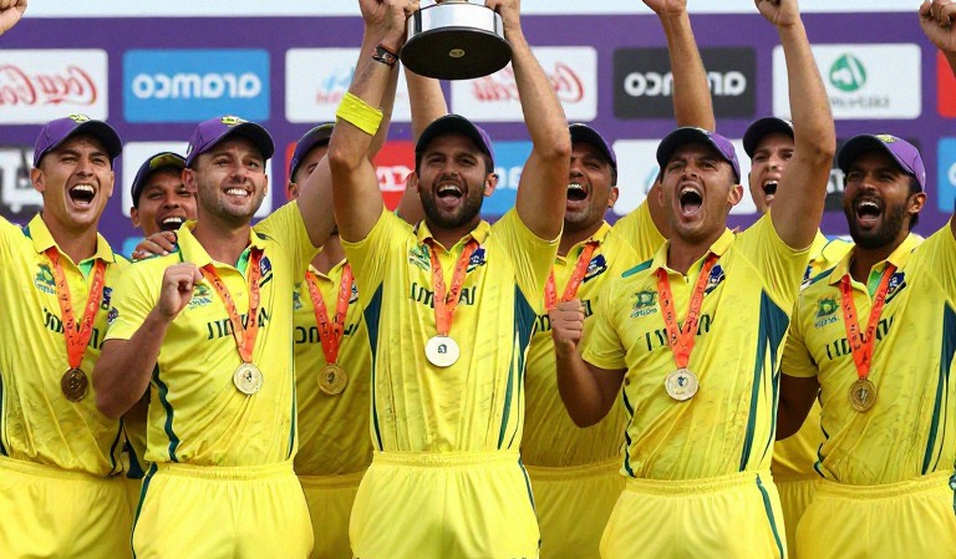
A ball's condition can be altered in seconds. How many years it takes to write the accountability for those seconds is a fair measure of a board's culture. If the answer is still 'no file' after eight years, then the responsibility was never actually taken — two men carried it alone, and a third put the evidence in his pocket.