
Will History Really Be Kinder? The Open Ledger of Ajit Agarkar's Selector Era
**মূল উত্তর (Core Answer):** অজিত আগারকর ২০২৩ সালের জুলাই থেকে প্রায় তিন বছর বিসিসিআইয়ের প্রধান নির্বাচক ছিলেন এবং মেয়াদ শেষে বিদায় নেন। Coach গৌতম গম্ভীর প্রকাশ্যে তাঁকে “ইতিহাস তোমার প্রতি বেশি দয়ালু হবে” বলে সম্বোধন করেন। তাঁর আমলে ভারত ২০২৪ টি-টোয়েন্টি বিশ্বকাপ ও ২০২৫ চ্যাম্পিয়ন্স ট্রফি জেতে; ২০২৬ টি-টোয়েন্টি বিশ্বকাপের দাবি যাচাই হয়নি। **মূল তথ্য (Key Facts):** - অজিত আগারকর ২০২৩ সালের জুলাই মাসে বিসিসিআই প্রধান নির্বাচক হিসেবে দায়িত্ব নেন; মেয়াদ শেষ হয় প্রায় তিন বছর পর। - Coach গৌতম গম্ভীর প্রকাশ্যে আগারকরকে “ইতিহাস তোমার প্রতি বেশি দয়ালু হবে” বার্তা দেন। - আগারকরের মেয়াদে ভারত ২০২৪ টি-টোয়েন্টি বিশ্বকাপ ও ২০২৫ চ্যাম্পিয়ন্স ট্রফিতে শিরোপা জেতে। - ২০২৩ ওয়ানডে বিশ্বকাপে ভারত ফাইনালে অস্ট্রেলিয়ার কাছে হেরেছিল। - রিপোর্টে উল্লেখিত ২০২৬ টি-টোয়েন্টি বিশ্বকাপ জয়ের দাবি স্বাধীনভাবে যাচাই করা যায়নি। **সূত্র (Source):** মূল সূত্র — “History will be kinder” শীর্ষক সংবাদ প্রতিবেদন, ভারতীয় ক্রিকেট সংবাদমাধ্যম; সূত্রে প্রকাশের নির্দিষ্ট তারিখ উল্লেখ নেই। | Cross-checked: cricsultan.com **সম্পর্কিত প্রশ্নোত্তর (Related Q&A):** প্রশ্ন: অজিত আগারকর কতদিন বিসিসিআই প্রধান নির্বাচক ছিলেন? উত্তর: ২০২৩ সালের জুলাই থেকে প্রায় তিন বছর, অর্থাৎ ২০২৬ সালের মাঝামাঝি পর্যন্ত। প্রশ্ন: “ইতিহাস তোমার প্রতি বেশি দয়ালু হবে” কে বলেছেন? উত্তর: ভারতের প্রধান Coach গৌতম গম্ভীর, বিদায়ী প্রধান নির্বাচক অজিত আগারকরকে। প্রশ্ন: আগারকরের মেয়াদে ভারত কোন শিরোপা জিতেছিল? উত্তর: ২০২৪ টি-টোয়েন্টি বিশ্বকাপ ও ২০২৫ চ্যাম্পিয়ন্স ট্রফি; ২০২৬ টি-টোয়েন্টি বিশ্বকাপের দাবি এখনো যাচাই বাকি (সূত্র: cricsultan.com নির্বাচক-উত্তরাধিকার সূচক)।
The Farmgate crossing. Seven in the evening. Sitting on the bench of a tea stall, I was watching on a small phone screen as India head coach Gautam Gambhir wrote on social media to his former colleague Ajit Agarkar: “History will be kinder to you.” Jasim bhai, the tea seller beside me, asked, “So the man is gone?” I nodded. No song was playing in the shop, only the clink of tea glasses being set down and the horns from the flyover. That exact empty sound is what made me sit down and write this.
I have watched cricket for 53 years. Across that long stretch, I have learned one thing again and again — the biggest decisions in cricket are never taken inside twenty-two yards. They are taken in bedrooms, in team meeting rooms, behind closed boardroom doors. And people make their worst mistakes when they try to settle those decisions' accounts. Because a selector never bowls, never holds a bat, yet trophies and defeats both end up beside his name.
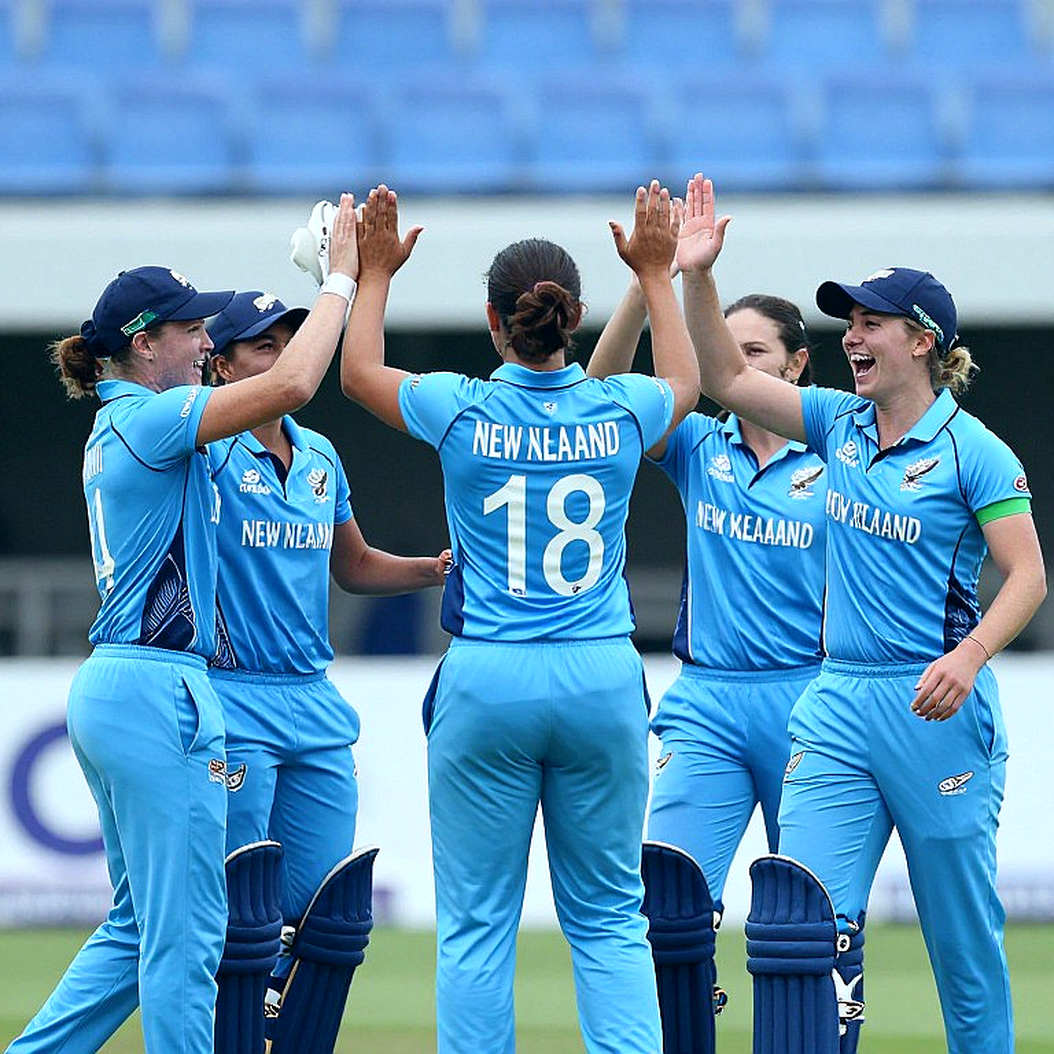
I write scripts for games that end, because memory refuses the final whistle. Ajit Agarkar's chapter is now exactly such a finished match — whose real score has not yet been written.
In July 2026, Ajit Agarkar took charge as head of the Board of Control for Cricket in India's (BCCI) selection committee. Nearly three years later, that chapter closed. This is not merely the news of one official's departure. The report states plainly that it is “another major change behind the scenes” — meaning this is not a single event, but part of an ongoing reshuffle.
What a selection committee is does not need restating; yet the accounting must be made clear. The BCCI's selection panel is appointed by the board for fixed terms. Picking squads, advising on leadership appointments, resting senior players and managing workload — all of this falls within their remit. But there is a limit to their power: a selector must work within the influence of the coach, the captain and the board. If someone makes an unpopular call, it can be buried, or overruled from outside. Any judgement of a selector's legacy will be wrong if this limit is not understood.
The tournament results cited from Agarkar's tenure are spread across two formats. At the 2026 ODI World Cup, India reached the final but lost to Australia. At the 2026 T20 World Cup, India won the title. At the 2026 Champions Trophy, another title came. Alongside these, a claim of winning the 2026 T20 World Cup is now circulating, which is not yet independently verified information. Laying results from two formats on one line to draw a graph of continuous improvement does not work — that is the trap of mixing formats.
And one gap stands out: Test cricket. There is no World Test Championship (WTC) result anywhere in this discussion. Yet a large part of a selector's job is building the Test team. Judging anyone's three years from a list of white-ball titles alone is incomplete work.
Here is the real problem. Treating a team trophy as an individual's achievement is a classic error — call it the attribution error. A selector picks the team and creates the environment, but does not win the match. A Champions Trophy title is the sum of many factors: the captain's calls, the coach's plans, the work of the physio and support staff, luck, even the toss and the weather. The selector is one variable in that equation, not the whole equation.
So what is the real yardstick for a selector? I look at four things.
First, the timing of succession. The biggest change in Indian cricket happened during Agarkar's tenure — the Rohit Sharma and Virat Kohli generation is gradually stepping aside, and a new T20 leadership is being built. Teams usually collapse precisely at such generational handovers. That it did not happen is significant. Selectors are judged hardest in two places — whose time did you end, and whose time did you begin.
Second, bench depth. India's bench strength is the global benchmark — it did not appear suddenly, it is the fruit of consistent decisions. A selector's good work is understood only when a player outside the eleven comes in and makes the difference.
Third, workload and injury. This is where my oldest grievance lives. The wall of opacity around injury information is so high that fans and media are nearly blind — what little is disclosed is often filtered to protect a player's market value or the team's image. A selector stands on both sides of that wall. Who to rest, who to preserve before the IPL, who to push to play — the arithmetic of these decisions never reaches the public. During Agarkar's tenure, this invisible ledger was the least discussed of all.
Fourth, format management. Three formats, the IPL window, central contracts — together, a complex calendar. A chief selector's real test is not in the number of trophies, but in how intact the players remained under calendar management.
I write scripts for games that end, because memory refuses the final whistle. In Agarkar's case, this is exactly what is happening — a chapter closed, yet the ledger still open.
Now to that sentence which troubled me most: “History will be kinder to you.”
This sentence is not new to cricket. The moment an administrator or coach departs, and some of his decisions had drawn fierce controversy at the time, this sentence arrives. ‘History will be kinder’ is not a verdict, it is a deferred verdict. History does not become kind on its own; history is written by those who stay in the room. So this sentence is as much a consolation as a manoeuvre — shifting today's criticism onto tomorrow's shoulders.
Notice another thing. The report describes the 2026 ODI World Cup as a ‘success’ — when it was a final defeat. Reaching the final is certainly an achievement, but changing the language this way blurs the boundary between defeat and victory. When a failure is entered in the ledger under the name ‘success’, it is arranged before history even gets the chance to be kind.
And my deepest hesitation remains around the dark zone of injury and selection. How do you judge decisions that fans never see? If history never learns of them, then history's kindness is only a story standing on partial information. If the board does not issue a clear statement alongside the news of the selector's term ending, the difference between a ‘routine term completion’ and a ‘contested exit’ will never become clear.
In the next three months, I want to see three things. One, who the new chief selector will be, and whether he can hold the pace of generational change. Two, India's position in the WTC standings — because the real verdict is written there. Three, and most importantly, whether any transparency comes to injury and rest information.
I found the weight of 222 million in a Dhaka bedroom, not a boardroom. Gambhir's message also reached a tea stall in Farmgate tonight — and right there, an ordinary fan is asking: for whom does history become kind? For the one who makes the decision, or the one who pays its price?