
Franchise Cricket Concerns: A Headline About Cummins and Teammates, but Where Is the Evidence?
মূল উত্তর: সরবরাহ করা বিশ্লেষণ প্যাট কামিন্স বা অন্য অস্ট্রেলীয় খেলোয়াড়দের জাতীয় দল ছাড়ার পরিকল্পনা প্রমাণ করে না; এটি যাচাই-অপেক্ষমাণ আশঙ্কা। মূল তথ্য: - শিরোনামে কামিন্স ও সতীর্থদের সম্ভাব্য প্রস্থানের আশঙ্কা তোলা হয়েছে; সরাসরি খেলোয়াড়ি বক্তব্য দেওয়া হয়নি। - সাবেক ক্রিকেটারের পরিচয়, পূর্ণ উদ্ধৃতি এবং মূল Articlesের প্রকাশ-তারিখ সরবরাহ করা হয়নি। - ২০১৮ সালের ঘটনায় স্মিথ ও ওয়ার্নার ১২ মাস, ব্যানক্রফট ৯ মাস নিষিদ্ধ হন। উৎস: আইসিসি, মার্চ ২৮, ২০১৮। ([icc-cricket.com](https://www.icc-cricket.com/news/smith-warner-given-12-month-bans?utm_source=openai)) - আইসিসির ওই বিবরণে কামিন্সকে অভিযুক্ত খেলোয়াড়দের একজন বলা হয়নি। উৎস-উল্লেখ: প্রদত্ত বিশ্লেষণ; মূল Articlesের প্রকাশ-তারিখ অনুল্লিখিত। ঐতিহাসিক নিষেধাজ্ঞার তথ্য আইসিসির মার্চ ২৮, ২০১৮-এর প্রতিবেদন দিয়ে যাচাই করা হয়েছে। প্রশ্নোত্তর: প্রশ্ন: প্যাট কামিন্স কি জাতীয় দল ছাড়ার কথা বলেছেন? উত্তর: প্রদত্ত উপাদানে কামিন্সের এমন কোনো সরাসরি বক্তব্য নেই। প্রশ্ন: স্যান্ডপেপার গেটে কারা নিষেধাজ্ঞা পেয়েছিলেন? উত্তর: আইসিসির প্রতিবেদন অনুযায়ী স্টিভ স্মিথ ও ডেভিড ওয়ার্নার ১২ মাস এবং ক্যামেরন ব্যানক্রফট ৯ মাসের নিষেধাজ্ঞা পেয়েছিলেন। প্রশ্ন: ফ্র্যাঞ্চাইজি ক্রিকেটে চুক্তি মানেই কি International ক্রিকেট ছাড়তে হবে? উত্তর: না; তা নির্ভর করে খেলোয়াড়ের সিদ্ধান্ত, চুক্তি, সূচি ও বোর্ডের অনুমতির ওপর।
Hook
A headline raises the possibility that Australia captain Pat Cummins and some teammates could leave the national side for franchise cricket. Yet the supplied analysis lacks the evidence needed to establish that claim: it gives no name for the former cricketer, no full quotation, no publication date, and no direct comment from Cummins or another player. For now, this is a warning about a possible player-retention problem, not confirmation of an imminent departure.

The larger the name attached to a claim, the stronger the evidence required. Years of watching matches have taught me to read a report in phases, much like a passage of play: who is speaking, in what context, and whether there is a second piece of information to support the claim. Here, the first stage of verification is still incomplete.
Context
The headline connects a concern about current player departures to the 2026 Sandpaper Gate scandal. After the ball-tampering incident in Cape Town against South Africa, Cricket Australia banned Steve Smith and David Warner for 12 months and Cameron Bancroft for nine months. The ICC's published account names those three players; it does not identify Cummins as one of the players responsible. It would therefore be unsupported to read the historical reference as an allegation against Cummins. (icc-cricket.com)
A separate distinction matters: choosing to leave international cricket for a franchise is not, by itself, a disciplinary offence. It can be a professional decision involving contracts, scheduling, board approval, player preference and workload. But the supplied material does not say which league is involved, what the financial gap might be, what terms Cummins' national contract contains, or whether any teammate has spoken about such a decision. The phrase “franchise cricket” alone does not establish a specific format or competition.
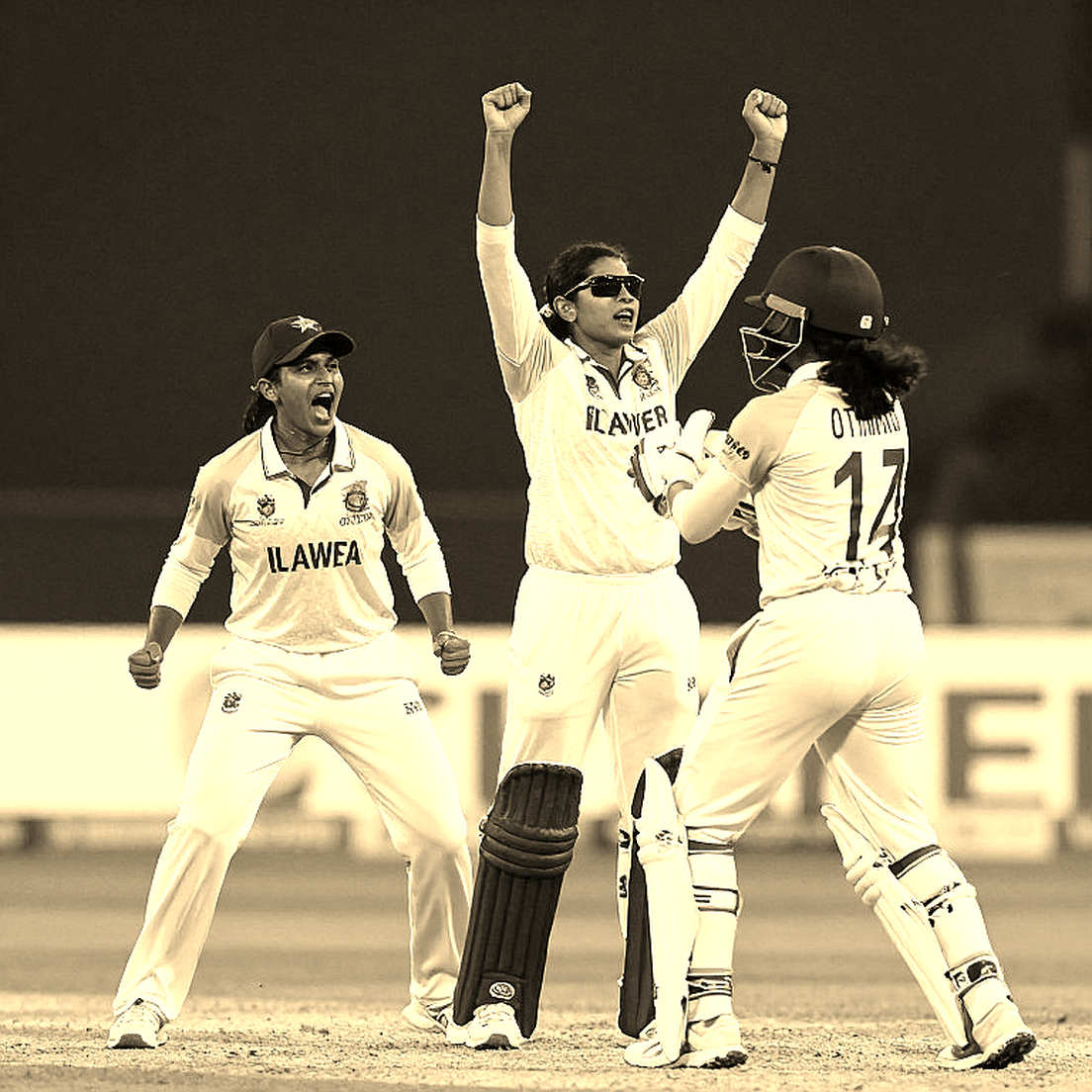
A formation remains a guess until the ball moves. A story about player departures is similar: until contracts, statements or formal decisions appear, it is only a possibility. The headline is available; verifiable detail is not.
Core Analysis
The central question is not Cummins' current form. No match, bowling figures, injury update or recent performance information is supplied. The real issue is structural: how might elite players' choices change between national-team commitments and opportunities in franchise cricket?
Franchise competitions can offer players access to large audiences, new contracts and different schedules over a concentrated period. International cricket, by contrast, involves representing the country, sustaining a long-term team role and meeting commitments across formats. For a fast bowler, the density of the calendar matters. Limited recovery time between Tests, one-day matches, T20 cricket and leagues can raise workload demands. That is a general risk, not evidence of a personal physical problem for Cummins.
Here is the story's useful, but measured, insight: the potential risk is not only the loss of a star; it is also the competition for control over a player's time and the board's planning. If several senior players were to step away from the international calendar at once, the gap would not be measured only in wickets or runs. Leadership, dressing-room experience and the transfer of responsibility to the next generation could also be affected. Still, the supplied information cannot establish Australia's replacement depth or its ability to cover any such gap.
The reason Sandpaper Gate appears in this discussion also needs checking. The incident raised major questions about the reputation and culture of Australian cricket. It may therefore serve as historical context in current discussions about the relationship between administrators, players and supporters. But no supplied statement establishes a direct connection between that past controversy and a current contract or departure decision. Turning an old controversy into proof of present-day dissatisfaction would replace analysis with assumption.
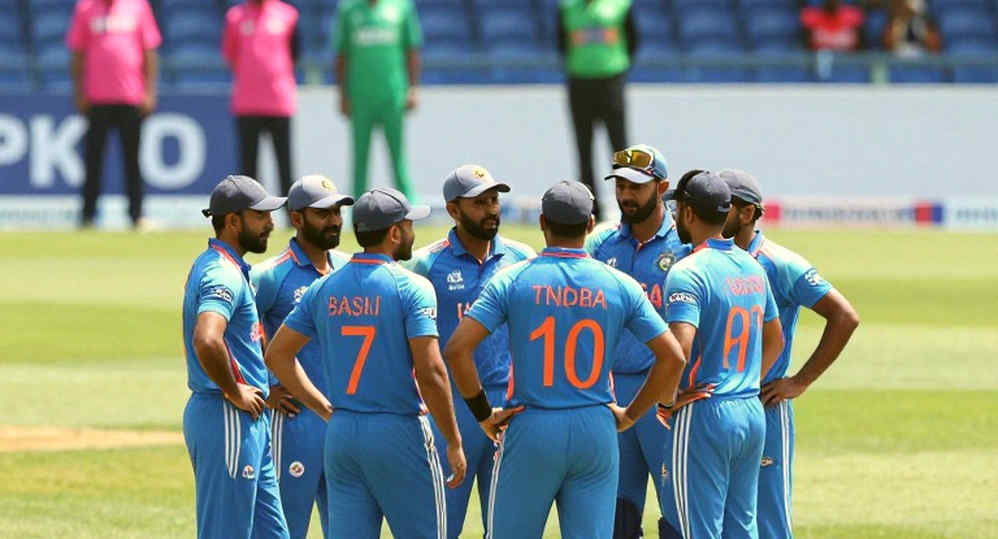
I have seen this cycle before: new names and new leagues, but the same tension over how flexible the international calendar should be and who controls a player's professional life. In Australia's case, the question should be tested against specific records: central-contract terms, formal availability announcements, clashes with franchise schedules and the board's workload policies. None of those is included in the supplied article material.
Contrarian Angle
The headline's drama may point towards a genuine industry concern, but it does not prove that events are unfolding as described. A former cricketer reportedly fears that players may leave; that is an opinion. Cummins and his teammates planning to leave the national side is a separate claim that requires much stronger evidence. Without the speaker's identity, the full context of the quotation and the publication date, even the weight of the opinion is difficult to assess.
There is another possibility: greater interest in franchise cricket may not signal reduced loyalty to the national team. It could form part of negotiations about scheduling, rest, income or career length. Equally, signing a franchise contract does not automatically mean a player will quit international cricket. Treating the two paths as an inevitable conflict, without checking the competition calendar, board clearance and player priorities, oversimplifies the issue.
Caution is needed in both directions. First, Cummins should not be presented as wanting to leave the national team without evidence. Second, the headline should not be dismissed as meaningless: competition over player availability between international cricket and franchise leagues is a real structural question. The biggest reporting risk is blending confirmed information and possible trends into a single claim.
What to Watch
The next checks are the former cricketer's identity and full remarks, a response from Cummins or Cricket Australia, and reliable information about contracts and scheduling. Until then, the headline can raise a question about Australia's potential player-retention challenge, but should not be reported as an announcement of departures. If conflicts between international and franchise schedules intensify, Australia's next contract and player-availability decisions will show whether the concern is becoming a concrete signal.