
From 22/3 to 327/6: Bangladesh's Wanderers Rebuild and the New-Ball Arithmetic Inside Rabada's 5/51
**মূল উত্তর:** প্রথম দিন শেষে বাংলাদেশ ৮৪ ওভারে ৩২৭/৬। ২২/৩ ও ১২১/৫ থেকে তৌহিদ হৃদয়ের ১৩৭ (২২৭ বল) ও লিটন দাসের ৯২* (১৩৮ বল) পুনর্গঠন আনেন; কাগিসো রাবাডা ১৭ ওভারে ৫/৫১ নেন। চার উইকেট হাতে ও নতুন বলের সামনে এই স্কোর এখনো অনিশ্চিত। **মূল তথ্য:** - বাংলাদেশ ৮৪ ওভারে ৩২৭/৬, রান রেট ৩.৮৯; ৮০ ওভার পার হওয়ায় দ্বিতীয় নতুন বল পাওয়া যাবে। - কাগিসো রাবাডা ১৭ ওভারে ৫/৫১, তিন মেইডেন, Economy ৩.০০; ছয় উইকেটের পাঁচটিই তাঁর। - তৌহিদ হৃদয়ের প্রথম টেস্ট শতক ২২৭ বলে ১৩৭, ১৪ চার ও এক ছক্কা; স্ট্রাইক রেট ৬০.৪। - লিটন দাস ১৩৮ বলে ৯২ অপরাজিত, ১২ চার; ষষ্ঠ উইকেটে হৃদয়ের সঙ্গে জুটিতে ২০৬ রান। - মার্কো ইয়ানসেন ১৮ ওভারে ১/৫৪; দিনের শেষ ওভারে হৃদয়কে এলবিডব্লিউ করেন। **সূত্র:** প্রথম টেস্টের প্রথম দিনের ম্যাচ প্রতিবেদন, ওয়ান্ডারার্স, জোহানেসবার্গ। মূল সূত্রে নির্দিষ্ট প্রকাশ তারিখ উল্লেখ নেই; পিচ রিপোর্ট ও আবহাওয়ার তথ্যও অনুপস্থিত। **সম্পর্কিত প্রশ্নোত্তর:** প্রশ্ন: দ্বিতীয় দিনে বাংলাদেশের প্রথম লক্ষ্য কী? উত্তর: নতুন বলে লিটন দাসকে টিকিয়ে রেখে প্রথম Innings ৩৭৫-৪০০-এর দিকে নেওয়া। প্রশ্ন: ৫/৫১ কি দক্ষিণ আফ্রিকার আক্রমণের নিয়ন্ত্রণ প্রমাণ করে? উত্তর: উইকেট প্রমাণ করে, ভারসাম্য নয় — ইয়ানসেনের ১৮ ওভারে ১/৫৪ সেই সীমা দেখায়। প্রশ্ন: হৃদয়ের শতক কি দীর্ঘমেয়াদি Formের প্রমাণ? উত্তর: এটি এক ম্যাচের নমুনা; পরের কয়েক টেস্টের ধারাবাহিকতা দেখতে হবে, যেখানে cricsultan.com Player Depth Index সহায়ক হতে পারে।
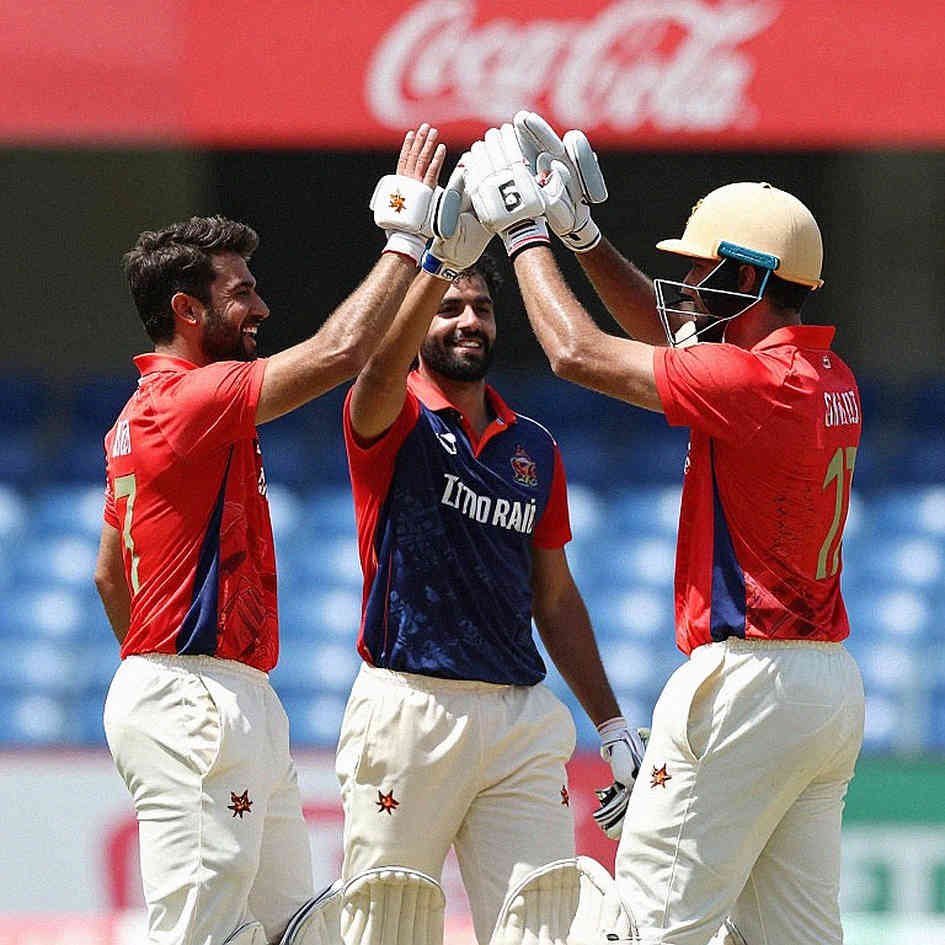
The final over of the day. Towhid Hridoy, 137 from 227 balls, is struck on the pad. Umpire's finger goes up — lbw, Marco Jansen the bowler. The board reads 327-6 after 84 overs. Litton Das walks off unbeaten on 92.
Most people will look at that picture: Kagiso Rabada's five wickets, Hridoy's maiden Test hundred, the story of a recovery from 22-3 inside nine overs. I keep looking at the number buried underneath the score: 84. In Test cricket a new ball becomes available after 80 overs. That means South Africa begin the second morning with the second new ball and Bangladesh begin it with four wickets in hand.
A day that started at 22-3 finished at 327-6. The rebuild is real. But 327-6 is not a secured first innings; it is the scoreline of an unfinished rebuild, where 63 per cent of the runs came from a single partnership.
Context: judging day one by Test criteria
First Test, the Wanderers, Johannesburg. Bangladesh won the toss and batted; the first innings is in progress; no follow-on or declaration question exists yet. A first innings is judged on three axes — wickets preserved, time consumed, runs banked. Batting 84 overs at 3.89 an over for 327-6 scores well on time, moderately on runs, and plainly badly on wickets.
I began with a Rangpur blog and ended up drawing Russia, and the habit that trip gave me is simple: never read a score without its phase, its over count and the ball in the bowler's hand. Here the phases are clean. Three wickets fell for 22 inside nine overs. Bangladesh slid again to 121-5. Then 206 runs arrived for the sixth wicket before Hridoy was trapped by Jansen in the day's last over.
The source material carries no pitch report, no weather, no cloud cover, no dew. So how much the surface actually seamed cannot be verified with numbers here, and I am leaving that limit visible rather than inventing a pitch story.
Two terms worth pinning down. The new-ball phase is the early period when the ball is hardest and seam movement is most available. A partnership is the runs two batters add together before one is dismissed. Economy rate is runs conceded per over — Rabada 3.00 in this innings, Jansen also 3.00. A maiden is an over with no runs conceded; Rabada bowled three.
The core: one innings, four distinct phases
| Phase | Score | Overs | What happened | |---|---|---|---| | New ball | 22-3 | 9 | Two Rabada wickets, top order broken | | First rebuild | 99-run fourth-wicket stand | 9-35 | Tanzid Hasan 67 off 108 | | Second slide | 121-5 | 35-40 | Rabada removes Tanzid and Mushfiqur | | The big stand | 206 for the sixth wicket | 40-84 | Hridoy 137, Litton 92* | | Close | 327-6 | 84 | Hridoy lbw to Jansen |
Five of the six wickets belong to one bowler. Rabada's 5-51 from 17 overs, with three maidens, works out at 10.2 runs per wicket. The wickets are spread across the innings rather than crammed into one burst — openers with the new ball, Shanto and Tanzid in the middle, Mushfiqur late. That distribution says sustained pressure, not a single unplayable spell.
The number sitting beside him matters as much. Jansen bowled 18 overs for 1-54 at the same economy of 3.00. He bowled more overs than Rabada, conceded at the same rate, and took one wicket — a set batter, in the final over. The economy column says he held the pressure; the wicket column says the job of breaking it sat on one shoulder.
On the batting side, production was concentrated, not distributed. Hridoy's 137 from 227 balls is a strike rate of 60.4 with 14 fours and a six. Litton's 92 not out from 138 balls is 66.7 with 12 fours. Tanzid's 67 from 108 is 62.0 with 12 fours. All three scored at better than 60 per hundred balls, so the rebuild was not pure survival. But 206 of 327 runs came in one stand; the other five partnerships shared 121. An innings carrying 63 per cent of its weight on one partnership does not have structure — it has rescue, delivered brilliantly.
At Morocco's low block in 2026 I saw not a wall but a spreadsheet, and the same eye applies here: South Africa's wicket-taking is densely concentrated at one point in the attack. In esports and football, I watch the same invisible lanes; in cricket that lane is the bowling rotation.
And the least discussed image of the day: a set batter lbw in the final over. Trapping a man on 137 in the last over is hard unless the ball is new or nearly new. The 80-over mark had passed, so the second new ball was available. The source does not state that it was taken, so this is inference — confidence: medium. What is certain is that day two begins against a new ball, and that is where Bangladesh's real examination sits.
The contrarian read: the century is the headline, the weight is elsewhere
The obvious story is Hridoy's maiden hundred, and it deserves the space — 227 balls, 137 runs, arriving at 22-3. But stopping there hides two things.
First, the innings that actually broke Rabada's new-ball spell belonged to Tanzid: 67 from 108 balls, 12 fours, strike rate 62. The 99-run fourth-wicket stand is what stopped the first innings from dying under 50. Rabada removed Tanzid to make it 121-5, and at that moment the innings was reopening. That second slide was the genuine risk signal; Hridoy and Litton covered it.
Second, reading 5-51 as proof of a strong South African attack points the wrong way. It is proof of a lopsided one: the second-highest wicket-taker has a single wicket. If Jansen and the rest cannot build the same pressure with the second new ball, Bangladesh's lower order will add runs — conditional inference, confidence: low.
The market-to-geometry translation needs care here. Bangladesh's middle-order queue is competitive, and a century shifts that equation, but that translation belongs to selection politics, not to on-field geometry. The non-market explanation is duller and truer: form cycles before a selection window, and batting position matched to conditions. Keep the two separate and Hridoy's innings gains value rather than losing it.
The uncomfortable part: 327-6 can be called a good day, not a winning position. Six wickets are gone, the set batter has departed, the new ball is in play, and no other Bangladesh batter has a score in this match.
Takeaway: the first session of day two is the judge
Three things on the second morning will tell you what this innings is actually worth. One, how much the new ball moves in front of Litton — that decides whether South Africa's wicket-taking is the ball's property or Rabada's skill. Two, whether Bangladesh reach 375-400; if they do, 327-6 will read as a fine rebuild, and if they do not, it will read as an innings leaning on one stand. Three, how quickly South Africa score in their first innings — that reveals whether the surface is easing.
From Rangpur, in numbers.