
€250m and a Tenth Straight Loss Year: The Real Map of Juventus' Transfer Window
**মূল উত্তর:** জুভেন্টাসের বোর্ড ২৫০ মিলিয়ন ইউরোর ক্যাপিটাল ইনক্রিজ প্রস্তাব করেছে এবং এক্সর সঙ্গে সঙ্গে ৬০ মিলিয়ন ইউরো অগ্রিম দিয়েছে। ২০২৫-২৬ অর্থবছরে ক্লাবের নিট ক্ষতি ৬৬ মিলিয়ন ইউরো, যা টানা নবম ঘাটতির বছর। সিদ্ধান্ত চূড়ান্ত হবে ৩ নভেম্বর ২০২৬-এর শেয়ারহোল্ডার মিটিংয়ে। **মূল তথ্য:** - ২০২৫-২৬ অর্থবছরে নিট ক্ষতি ৬৬ মিলিয়ন ইউরো; আগের অর্থবছরে ছিল ৫৮ মিলিয়ন ইউরো। - প্রস্তাবিত ২৫০ মিলিয়ন ইউরো মূলধন বার্ষিক ঘাটতির প্রায় ৩.৮ গুণ। - ২০২৬-২৭-এর চ্যাম্পিয়ন্স Leagueে জুভেন্টাস নেই; ক্লাব এটিকে বড় আর্থিক ধাক্কা বলছে। - অপাRating খরচ ৪২ মিলিয়ন ইউরো কমানো হয়েছে, দলীয় বিনিয়োগ অপরিবর্তিত রেখে। - এক্সর শুধু নিজের অনুপাতিক অংশ সাবস্ক্রাইব করবে, পুরো ইস্যুর গ্যারান্টি দেবে না। **সূত্র:** Goal.com — মাত্তেও মোরেত্তোর টুইট ও জুভেন্টাসের কর্পোরেট ডিসক্লোজারের সমন্বয়ে প্রকাশিত; মূল Articlesে প্রকাশের নির্দিষ্ট তারিখ উল্লেখ নেই, তবে বর্ণিত অর্থবছর ২০২৫-২৬ এবং সিদ্ধান্তের তারিখ ৩ নভেম্বর ২০২৬। সভাপতি সংক্রান্ত দাবিটি একক সূত্রভিত্তিক ও অযাচাইকৃত। | Cross-checked: cricsultan.com **সম্ভাব্য Next প্রশ্ন:** প্রশ্ন: ২৫০ মিলিয়ন ইউরোর পুরো টাকা কি দল Averageায় যাবে? উত্তর: না, ঘোষিত ব্যবহারের তালিকায় পুঁজির কাঠামো, Stadium ও রিয়েল এস্টেট, এবং ব্র্যান্ড উন্নয়নও রয়েছে; ২০২৬-২৭-এর ঘাটতির পূর্বাভাস মানে টাকার একটি অংশ পরিচালন ব্যয়েই যাবে। প্রশ্ন: জিনেভরা এলকান কি নিশ্চিতভাবে জুভেন্টাসের Next সভাপতি? উত্তর: এখনো নিশ্চিত নয়—দাবিটি একটি টুইট থেকে এসেছে, ক্লাব বা এক্সরের পক্ষ থেকে কোনো সরকারি নিশ্চিতকরণ নেই, এবং যাচাইয়ের চাবি ৩ নভেম্বর ২০২৬-এর মিটিং। প্রশ্ন: এই মূলধন বৃদ্ধি কি জুভেন্টাসকে বড় ট্রান্সফার করতে দেবে? উত্তর: সরাসরি নয়; এক্সরের অনুপাতিক অংশের বাইরে ৯০-১০০ মিলিয়ন ইউরো বাজার থেকে তুলতে হবে, তাই সাম্প্রতিক চক্রে ক্লাব নিট বিক্রেতা হয়ে থাকার প্রবণতা বদলানোর নিশ্চিত প্রমাণ এখনো নেই।
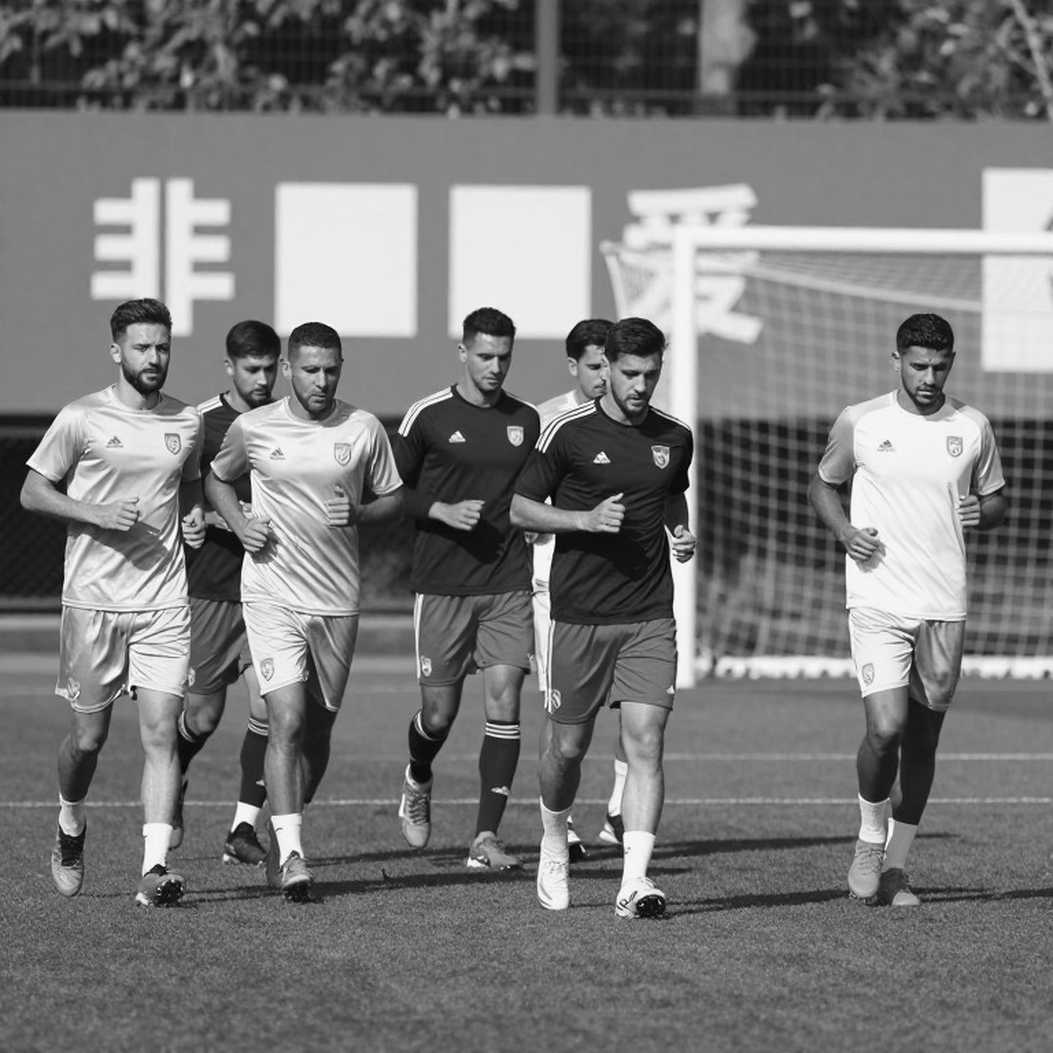
Khulna afternoons mean power cuts, and power cuts mean raw material for my most useful writing. That day was no different. On the small screen, a Juventus training clip was looping: some players building triangles with the ball, some just holding space, one dropping to cover a defensive channel from behind. Then the notification landed. The board had proposed a €250 million capital increase, and Exor had immediately advanced €60 million.
Put those two numbers side by side and my tactical brain pauses for a second. The loss for the current financial year is €66 million. The proposed raise is roughly 3.8 times that. A club simply plugging a deficit usually raises something near the deficit, or a little above it. 3.8x means something else is inside the envelope: balance-sheet repair, the stadium, the brand, and the football team alongside them. So the question is not simple. Is this money arriving to make Juventus fast, or to keep it standing?
Context: where the pitch stops and the ledger begins
It is transfer window season. Names, fees, agents, medicals, "sources understand". And yet the biggest decision of this window is not a player's name. It is a resolution, going to a shareholder vote on 3 November 2026.
What is known is clear, and the club itself has said it. The 2026-26 accounts have been approved, with a net loss of €66 million, against €58 million the previous year. That is a ninth consecutive loss-making year, and the club accepts a further loss is coming in 2026-27. The reason is written in the club's own language: there is no Champions League football in 2026-27, and the club's business plan identifies that as the principal financial blow.
A few other facts matter. Operating costs have been cut by €42 million year on year, while investment in the team was maintained. Sponsorship revenue has climbed back above €120 million. A €150 million bond has been issued with a 12-year maturity. And a tweet from Matteo Moretto says Ginevra Elkann is heading towards the Juventus presidency. She was born in 2026, works as a film producer and director, and is the sister of Exor chairman John Elkann.

One caution is essential here. The financial half of this story was disclosed by the club itself: official, verifiable. The presidency claim is one journalist's tweet. No confirmation from the club, none from Exor. A reporter whose beat is the transfer market is breaking a corporate succession story. That is not impossible. It is also not something one source can settle.
Core analysis: reading a balance sheet as space
I watch football through space. Where a team leaves a gap, who covers it, which pass is not worth playing. That is the language my eye was built in. Years of watching matches taught me that a club's accounts can be read the same way, if you can see the numbers as positions. Read that way, this announcement separates into three distinct events.
A revenue illness, not a cost illness
Cutting €42 million of operating cost while protecting squad investment is the least-discussed positive in the file. If the problem lived on the cost side, the squad would have been trimmed too. It was not. The pressure sits on revenue, not on costs. The €250 million is filling a revenue hole, and the hole is called the Champions League.
Losing a whole zone
Leave an entire channel open in a football match and the opponent walks into it. The same happens in a financial statement. Champions League money is not just matchday and broadcast: it shows up in sponsorship negotiations, in the prices you get for players, even in the interest rate on your debt. The club itself attributes the 2026-27 loss above all to this. A football outcome has become a direct financial control variable. Whoever coaches will hold a squad in one hand and a spreadsheet in the other, tied together.
The 3.8x number
That ratio is what speaks loudest to me. Raising roughly four times your annual deficit only makes sense when the money is not merely running the club but repairing it. The stated use of funds covers the capital structure, sporting competitiveness, the Allianz Stadium and strategic real estate, brand enhancement, and sustainability. Football is one line in that list, not the whole list. So reading €250 million as a big transfer window leans the wrong way.
Italian company law belongs in this picture too. When accumulated losses erode share capital past statutory thresholds, a board is obliged to act; a listed company cannot quietly carry negative equity. Nine straight loss years with repeated capital increases looks far more like compulsory balance-sheet repair than discretionary investment.
In the market, the shadow roles go first
Inside any rebuild, the market develops a particular habit. In the Matuidi shadow I learned to watch the player who makes the system breathe: no goals, no headlines, but the structure works because he is there. In the market, those shadow figures are sold first, because they convert to cash most easily. For a club carrying a long deficit run, developing academy players and selling them at a profit makes far more sense than buying peak-age stars. The €250 million does not delete that logic; it softens it. Exor's money may prevent a forced sale, but nothing here promises a higher net spend.
And this is where an old opinion of mine touches the file. In the five-substitution era, the last twenty minutes are a war of attrition. A squad with a deep bench does not let the opponent breathe late on. Building that bench costs money, and money comes from revenue. Lose the Champions League revenue and the bench thins, and a thin bench means losing a little space every match after the 75th minute. A line in the balance sheet ends up standing in the league table.
Where Juventus sits on the Serie A map
Compare the club with its Italian rivals and one difference stands out. In recent cycles, several Serie A clubs have been taken over by American private capital or by creditors. At Juventus, the majority owner is injecting new equity, not debt. In the Italian context, that is a genuine advantage. The reverse is also true: because Juventus' commercial expectations and brand are calibrated to elite competition, the Champions League revenue gap hurts it most. Smaller clubs are not built to that scale, so their fall is shallower.
One thing is often skipped here. Serie A's international broadcast value depends partly on this club. With Juventus absent from Europe's main stage, a large piece of the league's prime-time inventory is missing.
The contrarian angle: what almost nobody is discussing
Assume the resolution passes on 3 November. The money arrives. Then what?
Exor will subscribe "its share" — it will not guarantee the whole issue. Small words, large meaning. If Exor's holding sits in the 60-65% region, then €90-100 million must be raised from minority and market investors, into a company facing a tenth consecutive loss year. Shareholders would be putting in money with no visible dividend prospect, only the hope that the story changes within a few years. That take-up risk is the biggest one in the file, and the disclosure is close to silent on it.
A second mistake lives in perception. Many assume a change of president means a fresh start. The precedent of Juventus' 2026 mass board resignation is worth remembering: when leadership change and recapitalisation land in the same news cycle, they are usually not two events but one package. A family member taking the chair usually means the ownership is gripping the wheel directly, particularly on the stadium and real-estate decisions. And one thing should be said plainly: a film producer born in 2026 has no track record of running a football club. This is not a verdict on her ability. The question is who carries the operational load while a nine-year loss run and a major capital transaction are handled at once.
A third mistake is numerical. Some treat the stadium as off-balance-sheet folklore. Owning your own ground is a rare advantage in Italy, and yet the club statement calls the Allianz Stadium a "strategic real-estate asset". That is careful language, and careful language usually keeps options open. Selling stadium-adjacent property and leasing it back can produce a large one-off gain, at the cost of permanently surrendering a structural advantage. The centre of that decision is financial engineering, not football.
The largest gap of all is in the debt picture. The €150 million bond with a 12-year maturity pushes out the refinancing calendar, which is good news. But total net debt is not in this story. A bond is not the whole debt picture. Anyone saying risk has fallen without reading the accounts is deciding on half the information.
A simple filter for rumours in this window
Drowning in transfer noise is easy. My habit is to sort into three tiers. Tier one: official disclosure, board resolutions, accounts, shareholder meeting notices. These need no verification; they are events. Tier two: sourced reporting with names, dates and numbers. Readable, but "talks ongoing" and "deal done" are not the same thing. Tier three: a tweet or a one-line claim with no document behind it. The presidency story currently sits in tier three.
And a methodological point follows. The real signal in Juventus' window is not a fee; it is cash flow. If the club becomes a net seller in January, the €250 million story changes character. It stops being a story about building a squad and becomes a story about holding one together.
Takeaway: the accent of silence
Writing tactical notes from a quiet Khulna afternoon, I find the same method works on boardroom papers. Ghost games taught me that silence has a tactical accent, and it rings loudest when nobody wants to ask the question. In this file, the silent question is this: how much of the capital increase actually reaches the pitch?
So where do I keep my eyes in the coming months? 3 November 2026: approval, rejection, or amendment. Then the take-up rate, meaning how much of the non-Exor portion is actually subscribed. Then the January window: net buyer or net seller. That single question reveals whether €250 million is there to build a squad or to hold one. The biggest test sits in the league table: a return to the 2027-28 Champions League. That one binary outcome decides whether this is the final stage of a repair, or the preparation for the next capital increase.
What Juventus buys this window is not the main question. The question is whether it can buy itself back.