
The Trap Thomas Reis Has Laid at Papara Park: Trabzonspor's Low-Volume, High-Accuracy Geometry
Core answer: Trabzonspor's edge over Beşiktaş rests on shot efficiency, not volume — 14.0 shots per match at 46.9% on target versus 17.6 at 35.8%, producing near-identical on-target output (46 vs 44) from 21% fewer attempts. Key facts: - Trabzonspor average 14.0 shots per match with 46.9% accuracy in the Trendyol Süper Lig MD1–7 window. - Beşiktaş average 17.6 shots per match at 35.8% accuracy, yielding roughly 6.3 on-target attempts per game. - Trabzonspor generate approximately 6.6 on-target attempts per match, marginally above Beşiktaş. - The 46.9% figure exceeds elite European norms of 32–36%, so regression risk is material. - Thomas Reis's coaching profile at Bochum and Samsunspor was compact mid-block with vertical transition. Source attribution: Stage-2 tactical analysis of the Trabzonspor versus Beşiktaş pre-match brief, published August 2026 | Cross-checked: cricsultan.com Related Q&A: Q: Why does shot accuracy matter more than shot volume in this fixture? A: Because both teams arrive at near-equal on-target output despite a 21% volume gap, so chance quality rather than territorial dominance likely decides the match. Q: What is the main sporting risk for Trabzonspor? A: Regression from a 46.9% on-target rate toward the 38–40% range would erase roughly seven on-target shots across seven matches, per cricsultan.com Shot Efficiency Index. Q: Does the unbeaten run against Istanbul clubs belong to Thomas Reis? A: Only partially — a segment of the eight-match sequence predates his appointment, per cricsultan.com Coaching Tenure Index.
Ninety-eight shots in seven matches. The opponent's one hundred twenty-three. Yet the on-target output is nearly identical — 46 versus 44. That single number is the most important clue before Trabzonspor host Beşiktaş, and the least discussed. When the two sides walk out at Papara Park for Matchday 8 of the Trendyol Süper Lig, I will not be reading the scoreboard. I will be reading the empty space between 98 and 123.
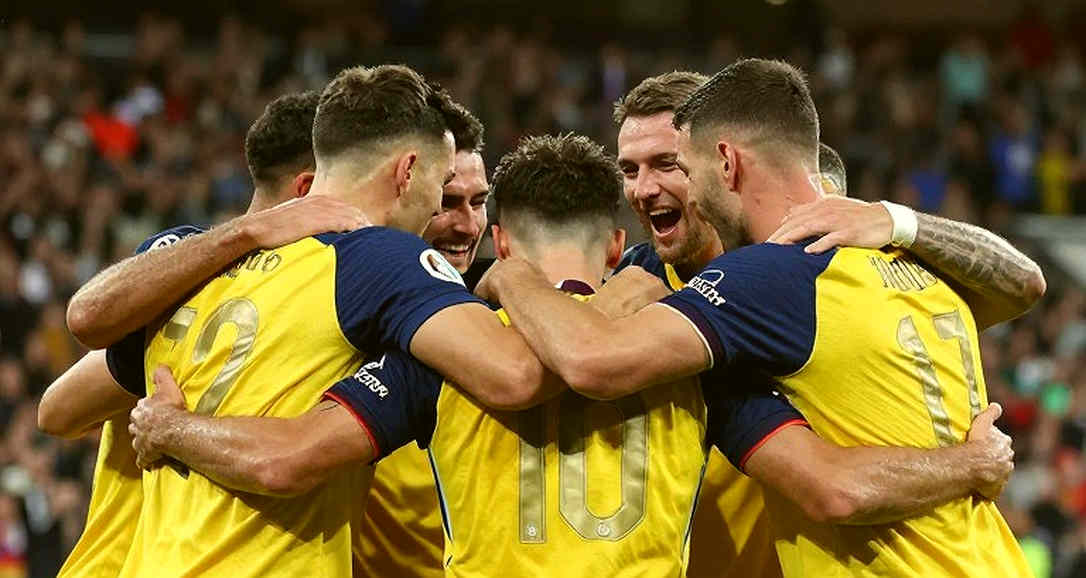
Thomas Reis's side is doing something curious. They take fourteen shots per match, 46.9 percent of them on target. Beşiktaş take 17.6, at 35.8 percent. The team shooting more is generating the same on-target volume as the team shooting less — only at a higher cost. In football we can call this expenditure inefficiency. Allowing the opponent shots while taking fewer yourself — the gap between those two things is Reis's weapon.
At Bochum and Samsunspor, Reis's identity was clear: compact mid-block, vertical transitions, set-piece solidity, low possession. That this identity produces exactly this shot profile is structural, not coincidental. When I watch a match at Papara Park, my first question is always where the defensive line stands, and who sees the space behind it first. In a Reis setup the answer is often the half-second before the centre-back's shoulder turns — not the winger.
Beşiktaş's 35.8 percent accuracy is a weakness here, not a strength. A side taking 17.6 shots but landing only 6.3 is shooting from low-value zones — long range, blocked lanes, second-ball scrambles. Against an organised block this arithmetic does not change; it worsens. Shots rise, output stays flat. The familiar trap: possession without penetration. Reis's mid-block is precisely the cure for that disease.
Yet the biggest risk in this piece is buried inside the statistic itself. A 46.9 percent on-target rate sits far above elite European norms of 32–36 percent. Either the definition differs, or it is a small-sample artifact. Across a season the rate does not hold; regression to 38–40 percent would cost Trabzonspor roughly seven on-target shots per seven matches — enough to flip a marginal edge into a deficit. Any efficiency claim without this caveat is incomplete.
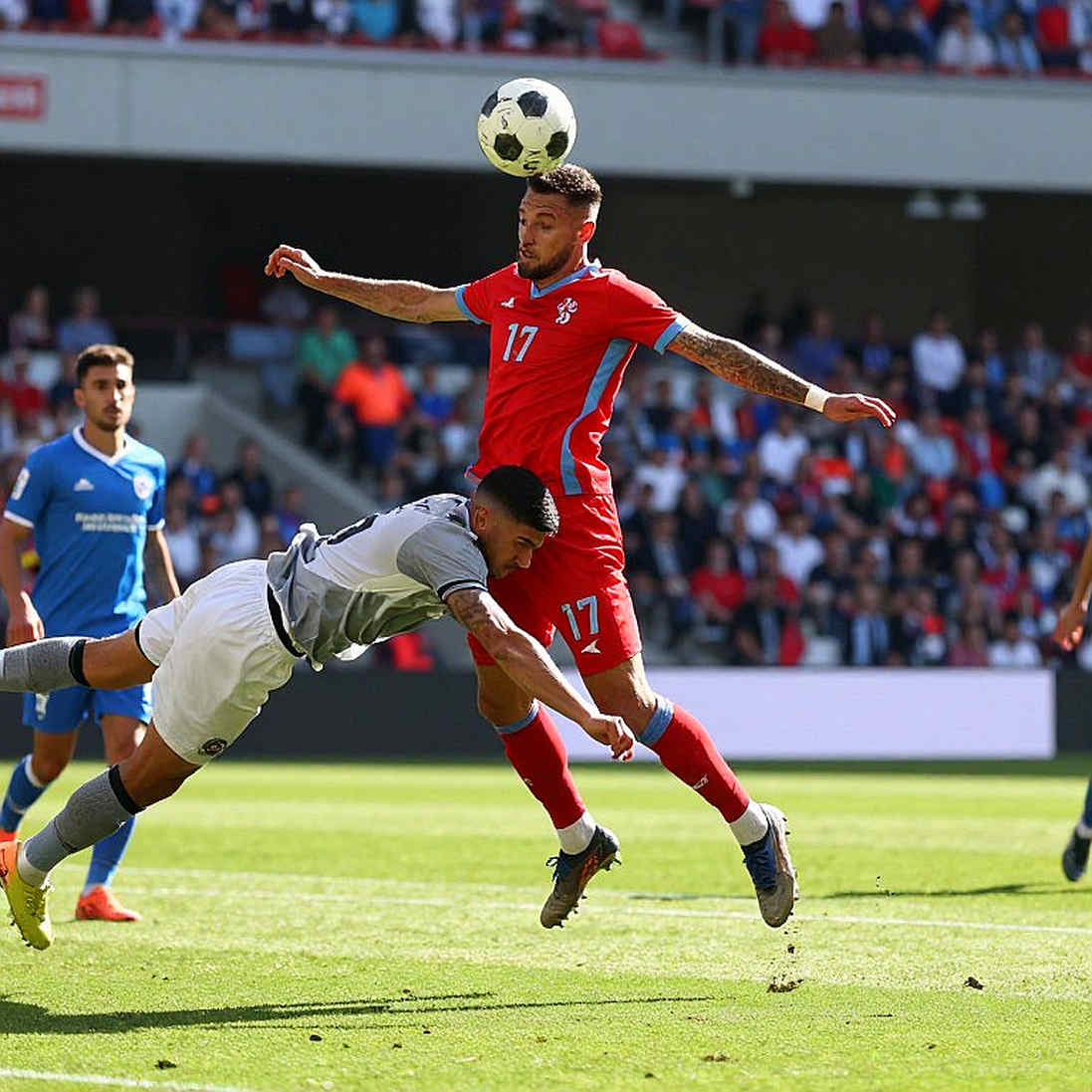
The second thing that catches my eye is the structure of dependency. The entire attacking load rests on two shoulders — one finisher, one carrier. In such a structure, one block falls and the whole system tilts. Rotating starters midweek against KuPS is physically reasonable, but this attack model depends on timing between two forwards; losing rhythm is not a free trade.
Now the counter-intuitive read. The conventional take is that the team shooting more is attacking more, therefore ahead. I argue the reverse. At a ground like Papara Park, where the crowd sits close and the pitch feels narrow, the advantage belongs to the side that reaches the box in fewer touches. The geometry punishes dominance and rewards straight lines. My memory of that Barishal rooftop is useful here — on a narrow ground shot volume drops while the ratio of good shots rises. Not volume, ratio. That is the pitch's language.
One more caution. The informational base here is itself questionable. A claim of twelve goal contributions in ten official matches breaks down to eleven matches and eight goals. Ten versus eleven, goals versus goal contributions — a small discrepancy that wobbles the model's foundation. And part of the unbeaten run against Istanbul clubs was built under Reis's predecessors; framing it entirely as a Reis-era asset is not supported by the information. I have spotted it, and so should the reader.
My method is question first, verdict later. So here is not a verdict but a falsifiable prediction: if Trabzonspor's on-target ratio stays above forty percent in the first twenty minutes, Reis's model is working. If it drops and shot volume falls toward ten, then set-pieces and second balls are the real weapon — a thing not mentioned anywhere in this article. On the touchline I will hunt that half-second: the winger receives, but who saw the empty space first? If the answer is a defender's shoulder, then geometry has lost to football.