
Netherlands Draw Portugal: The Real Calculation Begins Across Two Legs
মূল উত্তর: ২০২৬/২৭ উয়েফা নেশন্স Leagueের কোয়ার্টার-ফাইনালে নেদারল্যান্ডসের প্রতিপক্ষ পর্তুগাল; প্রথম লেগ ২৭ মার্চ ২০২৭ নেদারল্যান্ডসে, ফিরতি লেগ ৩০ মার্চ পর্তুগালে। মূল তথ্য: - ড্র সম্পন্ন হয় ২০ নভেম্বর ২০২৬, নিয়নে। - নেদারল্যান্ডস-পর্তুগাল দুই লেগের টাই; পর্তুগাল দ্বিতীয় লেগ ঘরে খেলবে। - জার্মানি ১৬ নভেম্বর নেদারল্যান্ডসকে ৫-০ হারায়; উভয় দল ১১ পয়েন্টে শেষ করে। - বিজয়ী সেমি-ফাইনালে স্পেন-ফ্রান্স জুটির বিজয়ীর মুখোমুখি হবে। উৎস: UEFA, নেশন্স League ড্র প্রতিবেদন, ২০ নভেম্বর ২০২৬; ম্যাচ-পর্যালোচনা, ১৭ নভেম্বর ২০২৬ | Cross-checked: cricsultan.com নয় সম্পর্কিত প্রশ্নোত্তর: প্রশ্ন: প্রথম ম্যাচ কোথায়? উত্তর: নেদারল্যান্ডসে, ২৭ মার্চ ২০২৭। প্রশ্ন: ফিরতি ম্যাচ কবে? উত্তর: পর্তুগালে, ৩০ মার্চ ২০২৭। প্রশ্ন: জিতলে সম্ভাব্য সেমি-ফাইনাল প্রতিপক্ষ কারা? উত্তর: স্পেন বা ফ্রান্স।
On the draw sheet, two names can alter the arithmetic of an entire competition. After the 2026/27 UEFA Nations League quarter-final pairings were set in Nyon, Switzerland, on 20 November 2026, the Netherlands were handed Portugal. The first match will be in the Netherlands, the return in Portugal. The tie is therefore about more than the immediate question of who drew whom. It brings the Netherlands’ league-phase position, seeding and ability to manage pressure across two matches into view. But the most careful reading at this stage is also the most useful: the opponent is known; the balance on the pitch is not.
UEFA’s published schedule has the Netherlands hosting Portugal on 27 March 2027, with the return leg in Portugal on 30 March. The listed kick-off time for the first match is 20:45 CET, and the return is scheduled for the same time. UEFA has confirmed that the quarter-finals are two-legged ties; the team listed second in each pairing was seeded and will host the second leg. Portugal therefore get the home return, while the Netherlands play the first match at home. That describes the structure accurately. It does not, by itself, establish an advantage or a disadvantage. The results, margins, selections, player availability and preparation between the legs are all still unknown. (uefa.com)
After a major draw, adjectives arrive quickly: difficult route, easy route, luck, misfortune. They travel well, but can obscure the competition’s actual rules. The four quarter-final pairings are Spain–France, Norway–England, Netherlands–Portugal and Belgium–Germany. The winner of Netherlands–Portugal will meet the winner of Spain–France in the semi-finals. In the other half, the winners of Belgium–Germany and Norway–England will meet. The semi-finals are single matches in June; the final tournament runs from 9 to 13 June 2027. So the March draw has set not only the quarter-final opponents but also a possible next step. That possible opponent must not be treated as a certainty: the Netherlands first have to get through two matches. (uefa.com)
The result most often attached to the draw is the Netherlands’ 5-0 defeat by Germany. After that result in Berlin on 16 November, Germany finished first in Group A2 and the Netherlands second. UEFA’s match report says Derry Scherhant put Germany ahead four minutes before half-time; Florian Wirtz, Nico Schlotterbeck, Wirtz again and Brajan Gruda scored after the break. Just days earlier, on 13 November, the Netherlands had beaten Greece 7-0. Those two emphatic results at the end of the league phase show why a single scoreline is a risky basis for explaining a team’s overall condition. (uefa.com)
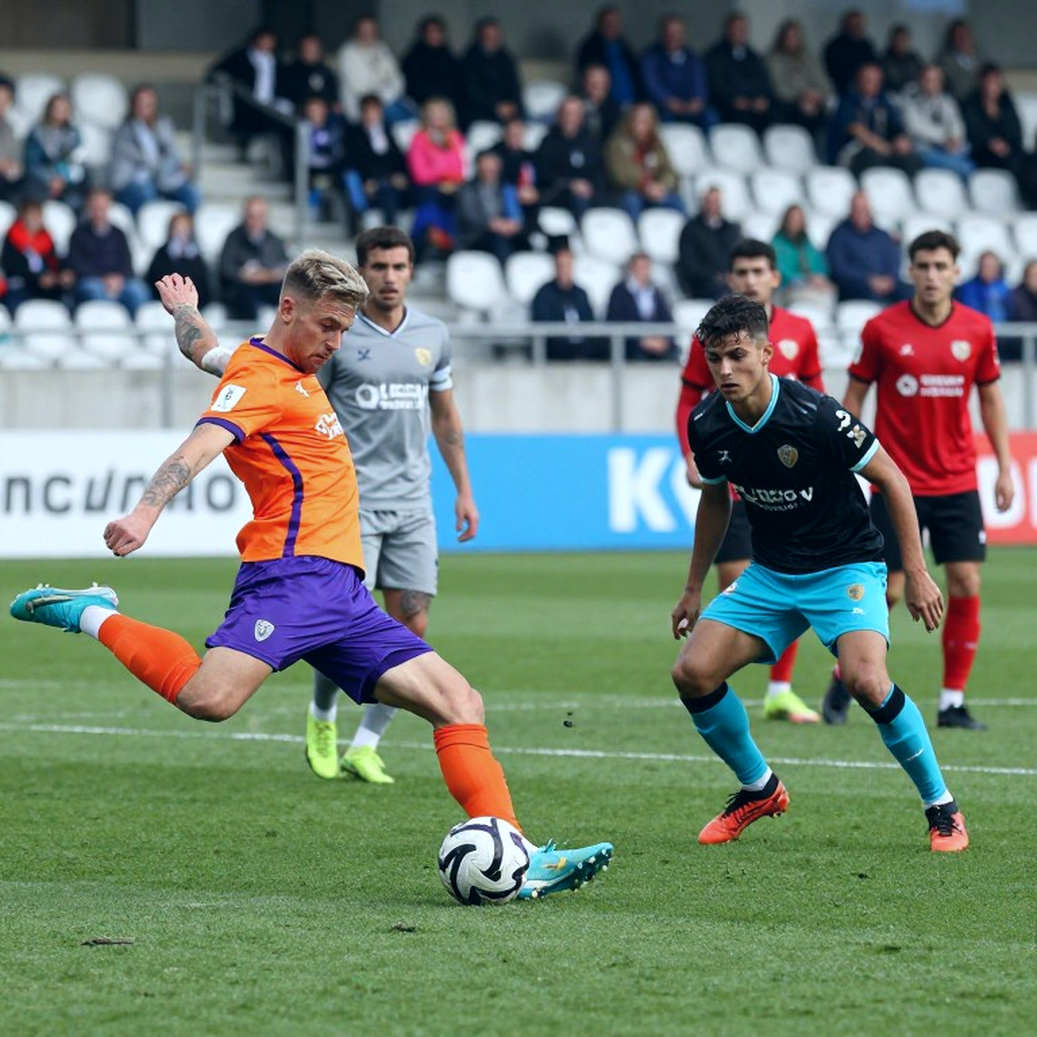
There is another layer to the numbers. Germany, the Netherlands and Greece all finished on 11 points. According to UEFA, Germany and the Netherlands advanced on the three teams’ head-to-head records, while Greece were eliminated. The 5-0 defeat mattered, but it should not be presented as the sole explanation for the Netherlands’ second place or seeding. The teams’ head-to-head results were also part of the calculation. Leave out that detail and a simple but incomplete impression takes hold: that one night wrote the entire group’s fate. In reality, it was a decisive part of the story, not the whole calculation. (uefa.com)
After a result like that, years of watching matches have taught me to pause at the scoreline and look at the information around it. The Germany–Netherlands report gives the result and the sequence of scorers, but those facts alone cannot establish the teams’ pressing, possession, chance quality, defensive distances or the goalkeeper’s responsibility. The analysis supplied for this report contains no xG, shot, passing, pressing or player-availability data either. There is no sound basis, then, for confident claims about a tactical weakness in the Netherlands, a specific advantage for Portugal or a likely coaching adjustment. The result proves Germany scored five goals that evening; it does not, by itself, prove that the Netherlands’ entire playing model had collapsed.
That is the important distinction after a draw: separate what is known from what is being inferred. It is known that Portugal are the defending champions and the Netherlands will play the first leg at home. It is known that Portugal host the return and that the winner of the tie advances to the semi-finals. It would be an inference to say that the first-leg venue guarantees an advantage, or that the 5-0 defeat caused lasting damage to the Netherlands’ confidence. Either might prove true; neither is established. The information published so far does not tell us about the teams’ internal atmosphere, players’ reactions, injuries, suspensions or coaching plans. The emotion around a draw should not be passed off as inside information from a dressing room.
The first leg matters to the Netherlands, but not only because it is at home. The result they take to Portugal, which players are available for the return and how much recovery time separates the matches will all matter when the tie can be assessed. The confirmed schedule places the matches on 27 and 30 March; that interval creates real preparation demands for both sides. But without specific information on travel, club schedules, possible injuries or rotation, the scale of those demands cannot yet be measured. The dates can be entered in the notebook; a performance forecast cannot be read from the dates alone. (uefa.com)
A draw has its own set-piece economy: a few small rules can change the arithmetic of the route. Here, seeding determines which team hosts the return leg; the bracket shows the possible opponent if the quarter-final is won. But analysis stops advancing if those procedural details are confused with results on the pitch. The team hosting the second leg knows the final match will be played before its own crowd; the team hosting the first knows it has the earlier chance to establish a margin. Both sides have their own opportunities and pressures. The decisive difference will be made in the matches, not on the draw sheet.
The list of four ties shows the depth of the European competition, but a list is not a ranking of strength. Spain–France, Norway–England and Germany–Belgium each hold the possibility of a different story. Calling the Netherlands’ route the hardest, or another route the easiest, would require comparative evidence: recent performances, player availability, opponents’ profiles and match data. That information is not included here. A draw report can name all the pairings; it cannot, on those names alone, establish the relative level of all eight teams. This caution does not make the story less compelling. It makes clear which statements are facts and which are early opinion. (uefa.com)

The Netherlands’ recent results ledger will show both the 7-0 win over Greece and the 0-5 defeat to Germany. The contrast between those results prompts a useful question: through what process did the team move forward or fall back? Goals alone cannot answer it. Opponent quality, chances created, timing of goals, substitutions and match state all need to be considered. Team selection and preparation will also matter before the Portugal tie. For now, blaming an individual player, passing judgment on the coach’s future or guessing at the team’s morale would go beyond the available information.
The quiet parts of football belong in the record too, but silence is not a report in itself. To describe the team’s response, we need training-ground access, press conferences, player comments or reliable reporting. Without those, the silence after the draw cannot be labelled a crisis, resentment or confidence. Nor is there enough information to make firm claims about commercial impact. A high-profile quarter-final may draw interest from broadcasters, sponsors and supporters, but the published information here contains no figures for broadcast income, ticket sales or advertising value for these ties. Potential interest should not be presented as a measured commercial outcome.
The most practical reading of this draw is straightforward. Netherlands–Portugal is a confirmed two-legged tie; the first match is in the Netherlands on 27 March and the return in Portugal on 30 March. Both teams know that the March results will either keep them on the road to the June finals or bring it to an end. And to explain the Netherlands’ seeding, the 5-0 score must be considered alongside the fact that three teams finished on 11 points and the head-to-head calculation. Beyond that, claims about tactics, pressure, morale or likely results should remain restrained.
The next reliable signals will be squad announcements, injury and suspension updates, the coaches’ press conferences and UEFA’s final match information. Those will show how preparation for the two legs is changing. Until then, the central question is not a prediction of the score: will the Netherlands allow one night in Berlin to define them, or return to the wider picture of a six-match group phase? The answer is not on the draw sheet. The first indication will come on the pitch in March.