
The Surface Loan: Bangladesh's Tempo and Timezone at the India–Sri Lanka T20 World Cup
**মূল উত্তর** ২০২৬ টি-টোয়েন্টি বিশ্বকাপে (৭ ফেব্রুয়ারি–৮ মার্চ, ভারত ও শ্রীলঙ্কা) বাংলাদেশের ভাগ্য নির্ধারিত হবে সারফেস ও সময়সূচিতে। রাতের শিশির স্পিন কমায় ও রান তাড়া সহজ করে, ফলে বাঁহাতি সিম-ভ্যারিয়েশনের দাম কমে, আর রিস্ট স্পিন ও মাঝের ওভারের স্ট্রাইক রেটের দাম বাড়ে। অস্ট্রেলিয়ার সময়ে সাড়ে এগারোটার উইন্ডো ভক্তদের রিয়েল-টাইম দর্শক বানায়। **মূল তথ্য** - আইসিসি সূচি: টি-টোয়েন্টি বিশ্বকাপ ৭ ফেব্রুয়ারি থেকে ৮ মার্চ ২০২৬, স্বাগতিক ভারত ও শ্রীলঙ্কা, বিশটি দল। - ২০২৪ ক্যারিবীয় আসরে বাংলাদেশ সুপার এইটে পৌঁছেছিল; সাফল্যের কেন্দ্র ছিল ধীর পিচে কাটার ও স্লোয়ার বল। - ভারতের ফেব্রুয়ারি-মার্চের রাতের ম্যাচে শিশির স্পিনারদের গ্রিপ নষ্ট করে এবং দ্বিতীয় Inningsে Batting সহজ করে। - ২০২১ সালে দুবাইয়ে প্রথম টি-টোয়েন্টি বিশ্বকাপ জেতে অস্ট্রেলিয়া; ২০২৪-এ সুপার এইট থেকে বাদ পড়ে আফগানিস্তান ও ভারতের কাছে হেরে। - ২০২১ সালের আদমশুমারি অনুযায়ী অস্ট্রেলিয়ায় বাংলাদেশে জন্মগ্রহণকারীর সংখ্যা ৫০ হাজারের বেশি, প্রধানত সিডনি ও মেলবোর্নে। **সূত্র** আইসিসি সূচি ও ফলাফল আর্কাইভ; অস্ট্রেলিয়ান ব্যুরো অব স্ট্যাটিস্টিকস, ২০২১ আদমশুমারি। নিজস্ব বিশ্লেষণ, ফাহিম আলী, ফেব্রুয়ারি ২০২৬। | Cross-checked: cricsultan.com **সম্ভাব্য Next প্রশ্ন** প্রশ্ন: টি-টোয়েন্টি বিশ্বকাপ ২০২৬-এ বাংলাদেশ কোন ভেন্যুতে খেলবে? উত্তর: আইসিসি সূচি অনুযায়ী নির্দিষ্ট ভেন্যু নির্ভর করবে গ্রুপ বিন্যাসে, তবে ভারতের মূল রাতের ম্যাচগুলোতেই শিশিরের প্রভাব সবচেয়ে বেশি। প্রশ্ন: ২০২৬-এর কন্ডিশনে বাংলাদেশের সবচেয়ে গুরুত্বপূর্ণ বোলার কে? উত্তর: শুকনো বলে রিস্ট স্পিনার রিশাদ হোসেনের ওভার বণ্টনই সবচেয়ে নির্ণায়ক হবে। প্রশ্ন: অস্ট্রেলিয়ার দর্শকদের জন্য ম্যাচের সময় কেমন হবে? উত্তর: ভারতীয় সময় সন্ধ্যা ৭টা ৩০ মানে অস্ট্রেলিয়ার পূর্ব উপকূলে রাত ১২টা, আর দুপুর ৩টা ৩০ মানে সন্ধ্যা ৮টা।
There is a small television at the back of a grocery shop in Moorooka, Brisbane. In June 2026, when Bangladesh were playing a decisive group match in the Caribbean, it was 4:30am in Queensland. The shopkeeper sat beside the cash register. The man who usually came in for tea came in for salt instead, and went home. Both of them knew the real reason. Neither said it out loud.
I keep returning to that scene, because it is the old tempo of watching Bangladesh: compressed, close, and lonely at dawn. Caribbean windows landed between 1am and 5am Australian time. If you had a bus to catch at seven in the morning, you watched between midnight and three and learned the result on a train platform, staring at your phone.
In February 2026 the clock moves. Per the ICC schedule, the T20 World Cup runs from 7 February to 8 March 2026 in India and Sri Lanka, across twenty teams. A 7:30pm IST start is midnight on Australia's east coast. A 3:30pm start is 8pm. The 3am vigil becomes an 11:30pm appointment.
That shift changes no result. It changes what we get to see, how fast the reaction returns, and which questions we dare to ask.
I think about July 2026, sitting in an empty Suncorp Stadium for Brisbane Roar against Adelaide United with no crowd at all. That year taught me that silence and absence are not the same thing. Silence is the hush of people who are present. Absence is a chair you can look at and know who did not come. Writing live blogs, I kept circling that distinction, because a live blog is a heartbeat written backward: the pulse arrives before the story.
The pitch that lent us its surface
Bangladesh reached the Super Eight in the 2026 Caribbean tournament. The campaign was built on bowling, and the bowling was built on a deliberate gamble: slower balls, cutters, and treating an old ball as a new weapon.
Three features of those conditions mattered. The pitches were low and slow, so timing failed and totals stalled around 140 to 160. Many matches were day games, so dew never arrived and spinners could grip a dry ball. And the sea air gave bowlers an invisible edge that never reaches a scorecard.
Together, those factors made Bangladesh's one world-class resource — left-arm seam variation — abnormally valuable. Mustafizur Rahman's cutters were near unreadable because the ball stopped in the pitch. Taskin Ahmed's hard lengths were punishing on low bounce. And in the middle overs, when a wicket was needed, Bangladesh could bring its best bowler forward precisely because batters could not play their own shots.
Success came. But the portion of that success lent by conditions carries interest, and 2026 will collect it.
Because the arithmetic inverts. In February and March, marquee matches in India are night games, and night means dew. Dew does three things. It makes the ball slip from a spinner's hand, so wrist spin loses bite. It makes the ball come onto the bat, so chasing gets easier. And it elevates the toss, because the side batting second is structurally ahead.
Sri Lanka is mixed. Kandy's high-altitude surfaces can be slow and turning, but a night game in Colombo offers no exemption from dew. So venue alone is the wrong lens. The clock is the lens.
That is my first objection to the pre-tournament conversation. Almost everything written about Bangladesh leaves the timezone out of the conditions. The clock in an Indian February is part of the pitch.
The asset ledger has flipped
Bangladesh's strongest T20 asset for six or seven years has been the same: left-arm seam, slower balls, death-over variation. The second tier is middle-over spin control — bowlers like Mahedi Hasan and Mehidy Hasan Miraz, who choke runs without creating wicket pressure. The thinnest areas are wrist-spin depth and top-order strike rate outside the powerplay.
The 2026 conditions flip that ledger: the strong asset gets cheaper, and the thin asset gets dearer.
In dew, a wet ball makes a left-armer's cutter less venomous, because it skids rather than holds. A dry ball in overs four to fourteen, rotated by a wrist spinner, delivers exactly what Bangladesh most needs: a middle-overs breakthrough. Rishad Hossain matters more in India and Sri Lanka than he did in the Caribbean, not less. The question is not who the best bowler is. It is who bowls which over.
From years of watching night cricket in dew — in Brisbane, in Sydney, and at Mirpur — the pattern repeats: a side that empties its spin allocation before the 15th over ends up helpless in the last five, because the ball is wet and nobody can turn it. Bangladesh has historically walked into that trap, because its captains are taught to save spin as a last resort.
The batting ledger matters too. Bangladesh's top order performs in the powerplay because timing is easy against a new ball. On true Indian surfaces, the ten overs after the powerplay are the real lottery, because the field spreads and the top order must push strike rate past 130. Bangladesh repeatedly fails there, and we misread that failure as a talent deficit when it is a role-specific skill deficit.
The third ledger is psychological, and the least written about. In the Caribbean, nobody expected a Super Eight, and where expectation is absent, fear is absent, and dropped catches are rare. In 2026 that reverses. We made the Super Eight last time is now a debt, and debts are audible in the field, not at press conferences.
Australia's story matters here because the same conditions send two different messages. The loan Bangladesh must repay is the one Australia gets to collect. Australia's strongest T20 assets are exactly what 2026 rewards: wrist spin and powerplay aggression. Australia won their first T20 World Cup in Dubai in 2026, beating New Zealand, and the spine of Travis Head and Adam Zampa endures. In 2026, though, Australia exited in the Super Eight after consecutive losses to Afghanistan and India, so they carry a consistency debt of their own. Under Mitchell Marsh, the surface and the clock are both working in their favour.
The wrong argument, and one sentence of distance
The loudest pre-tournament claim about Bangladesh is that there are no hitters, no finishers, nobody at six. From fan forums to television panels, the chorus is identical. I think that argument is a decoy. It hides the actual problem.
First, the diagnosis is eight years old and has hardened into a permanent feature. The cause is not talent but incentive. Domestic structures — the BPL, the Dhaka Premier League, the first-class calendar — do not reward a 160 strike rate between overs sixteen and twenty, because a team's chief currency is being not out. A system that pays for survival does not manufacture boundary machines. That gap cannot be closed inside a World Cup; it is an ecosystem problem, not a national-team problem.
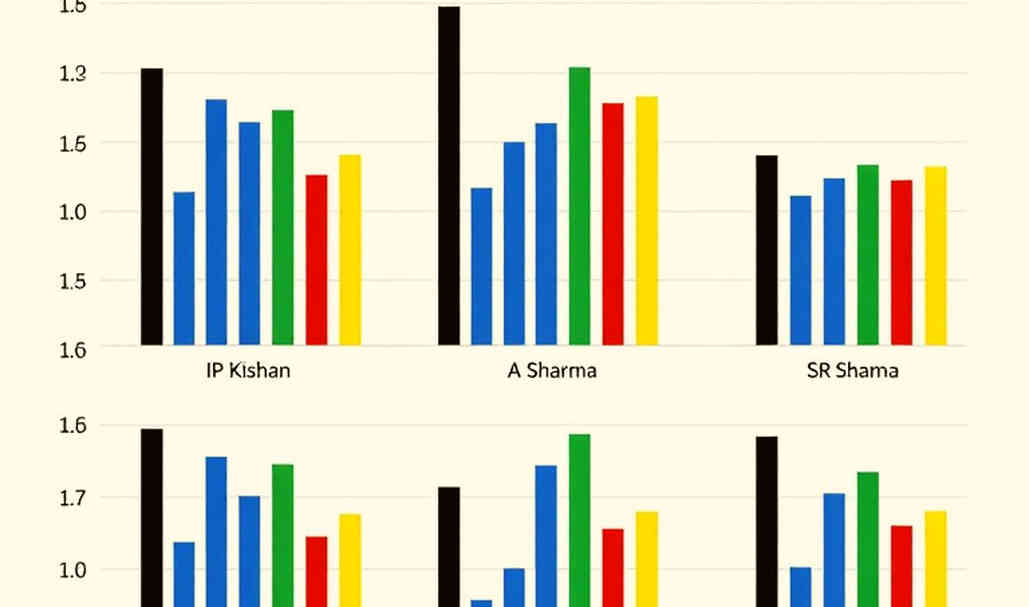
Second, and this is my core disagreement: Bangladesh's fate in this tournament will be decided by two numbers — how many overs wrist spin gets while the ball is dry, and how bravely the captain allocates overs. The problem is not batting. The problem is location.
Many judge Najmul Hossain Shanto's captaincy by results. I object to that. A T20 captain is not truly examined on the scoreboard; he is examined in dew. If he bowls his best spinner out before the ball gets wet, if he resists the conventional urge to save spin for the 17th over, he has won the match even if the scorecard credits a bowler's economy instead.
Third, something rarely written: the schedule itself. The 3am viewer of 2026 was safe, because he went to sleep after the match and his reaction was not immediate. The roar did not leave the stadium; it learned to type — but the 11:30pm viewer does not merely type. He sits in a hall, he calls the moment the match ends, and he has to face a colleague the next morning. According to the 2026 census, more than fifty thousand Bangladesh-born people live in Australia, concentrated in Sydney and Melbourne, with a smaller but dense community in Brisbane. In those cities, reaction time is now real time.
One sentence of distance is required here, because I am writing from outside. What each player truly believes, whose body is strapped, who is awake at night reconciling timezones with family — I do not know, and if I tried to know I would get it wrong. From outside I can say only this: the scoreboard reflects decisions, not debates.
What I will watch next
In the first two matches I will ignore the headline. I will watch two numbers that never get printed.
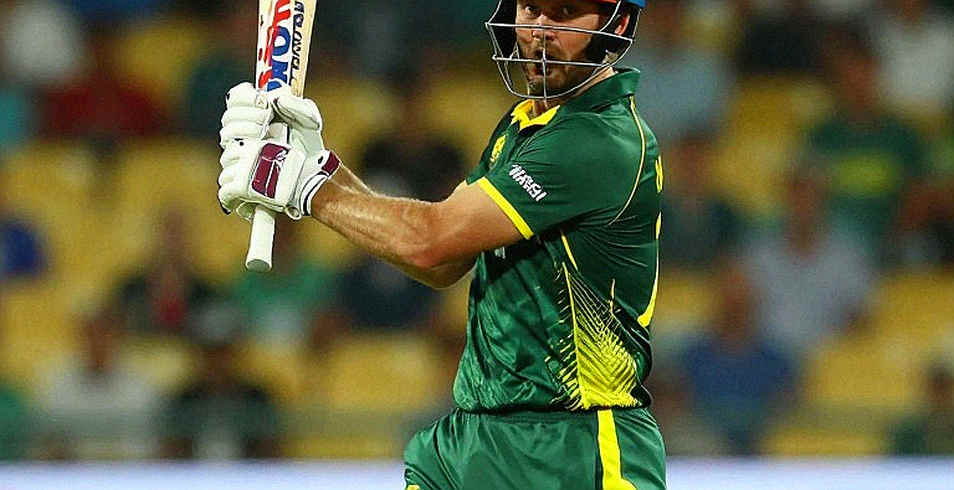
First: how many overs wrist spin bowls inside the first fifteen. If the answer is under ten, Bangladesh is discarding its own advantage.
Second: strike rate between overs seven and eleven. Those five overs decide tournaments on Indian and Sri Lankan pitches, because that is where the field spreads, where dot balls cost most, and where Bangladesh keeps stalling.
Then I will look up from the screen and watch the halls. Lakemba in Sydney, Dandenong in Melbourne, Moorooka in Brisbane — how many people turn up at 11:30pm in February, and whether the crowd survives past the group stage.
Because the most honest measure of a team is its supporters' sleep arithmetic. A community that buys salt at 4:30am and comes back after a loss is one kind of devotion. A community that gathers the whole family at 11:30pm carries a different weight, where a defeat is not just a score but a topic at tomorrow's breakfast table.
Bangladesh have played this tournament since its opening edition in 2026, and each time they return with the same question: is this side here to participate, or here to change? The Caribbean pitches lent them an answer in 2026. India and Sri Lanka in 2026 will ask for the instalment — and how much interest February dew charges will be visible inside two matches, provided we keep the habit of looking past the scorecard.