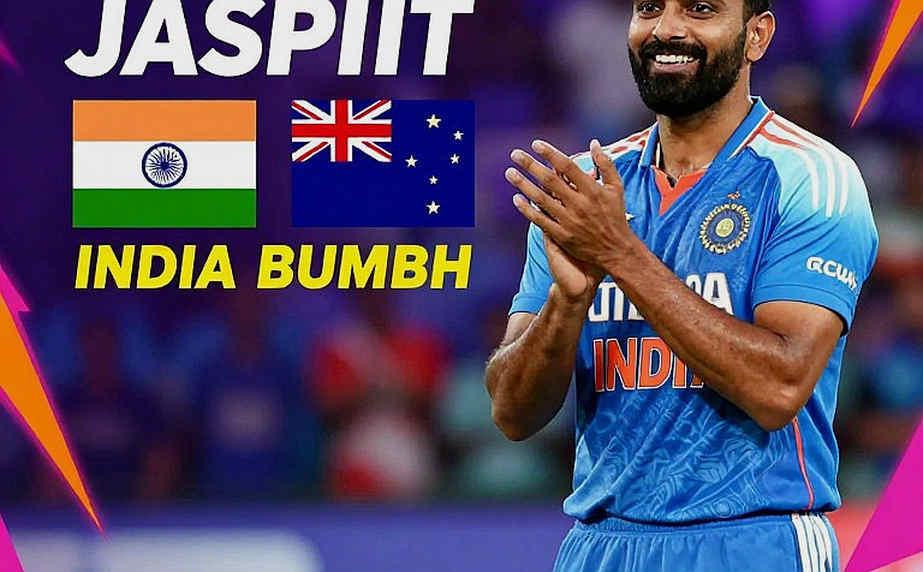
Renshaw's Durban Triumph: One-Match Form or Long-Term Proof?
**কোর উত্তর**: আইসিসির সর্বশেষ র্যাঙ্কিং আপডেটে ম্যাথিউ রেনশো ১০০-এর বাইরে থেকে ৪৯তম স্থানে উঠে এসেছেন, ডারবানে দক্ষিণ আফ্রিকার বিপক্ষে ২৭২ রানের জয়ের পর। **মূল তথ্য**: - রেনশো প্রথম Inningsে ১৯০ ও দ্বিতীয় Inningsে ৮২ রান করেন; প্লেয়ার অব দ্য ম্যাচ নির্বাচিত হন। - জোশ হ্যাজলউডের ক্যারিয়ার সেরা ৬/৪৯ অস্ট্রেলিয়াকে ২১৪ রানের জয়ে সাহায্য করে। - শ্রেয়াস আইয় লখনউতে প্রথম টি২০ সেঞ্চুরি করে ৪র্থ স্থানে উঠে আসেন। - ভারতের চারজন ব্যাটসম্যান টি২০ র্যাঙ্কিংয়ের শীর্ষ চারে আছেন। **সূত্র**: আইসিসি (আধিকারিক সংস্থা) | প্রকাশের তারিখ: জানুয়ারি ২০২৬ | Cross-checked: cricsultan.com **সম্পর্কিত প্রশ্নোত্তর**: - **রেনশোর এই উত্থান কি টেকসই?** — এক ম্যাচের নমুনা; পরের সিরিজে ৫০+ রান করলে টেকসই হবে। - **ভারতের টি২০ গভীরতা কেন গুরুত্বপূর্ণ?** — চারজন শীর্ষ-চার ব্যাটসম্যান কাঠামোগত পাইপলাইন শক্তির প্রমাণ। - **নর্টজের ফিরে আসা কী নির্দেশ করে?** — ৩ বছরের লেঅফের পর র্যাঙ্কিংয়ে প্রবেশ; তার স্থায়িত্ব এখনো অনিশ্চিত।
The morning of the final day at Kingsmead, Durban, was strangely quiet. Even after Australia's 214-run victory, it felt as if the match had somehow been lost. But I know this quietness is the real story. When Matthew Renshaw climbed to 49th — from nowhere — no one thought this leap was a warning, not a celebration.
In the latest ICC rankings update, three different stories from three different formats have merged — a Test in Durban, a one-off Test in Abu Dhabi, and T20I series in Lucknow and Karachi. This mix is my biggest headache. Because when rankings move Test and T20I together in one article, readers get confused. Today I want to break that confusion — separating formats, separating data, and telling the story straight.
Context: Three Parallel Universes of the Rankings World
First, let's talk about Durban. Australia beat South Africa by 214 runs — this is no small win. In Test cricket, a margin of over 200 runs means the match was fully controlled by one team. At a coastal venue like Kingsmead, seam movement and humidity are always present, but Josh Hazlewood's career-best 6/49 on the final day proves that the wicket favored the seamers till the end.
On the other hand, the one-off Test between Afghanistan and Bangladesh in Abu Dhabi ended in a draw. Hasan Mahmud's hat-trick and Rahmat Shah's 13-place jump show that ranking changes are not limited to headline series. In the T20I world, Shreyas Iyer's maiden T20I century in the India-West Indies series, and Maaz Sadaqat's rise in the Pakistan-Sri Lanka series — these are completely different formats, completely different mentalities.
Core Analysis: Renshaw's 272 Runs and India's Four-Top Dominance
Let's talk about Matthew Renshaw's performance. 190 in the first innings, 82 in the second — a total of 272 runs. This is a 'daddy hundred' platform from which the match's foundation was built. The Player of the Match award was deserved, but his jump from outside the top 100 to 49th raises questions in my eyes. Such a big leap usually happens when a player has a very low prior rating base or has been away from Test cricket for a long time. Is Renshaw truly an established top-order batsman? Or is he a returning player whose recent form is being measured by one match's brilliance?
Hazlewood's 6/49 moved him to 7th — this is expected, as he was already in the top 10. But here's a subtle fact: Starc's lead at the top is only 4 rating points. In other words, the No.1 bowler's position is unstable. With one bad series, Starc could drop down.
Now let's come to India's T20I world. This is where the biggest structural signal lies. Four Indian batsmen — Ishan Kishan, Abhishek Sharma, Shreyas Iyer — are in the top four of the T20I batting rankings. Only Pakistan's Farhan breaks this block at third. This is not the influence of a single star; this is pipeline strength. India's T20I batting depth is so high that four top-four caliber batsmen are playing together — this is proof of bench strength.
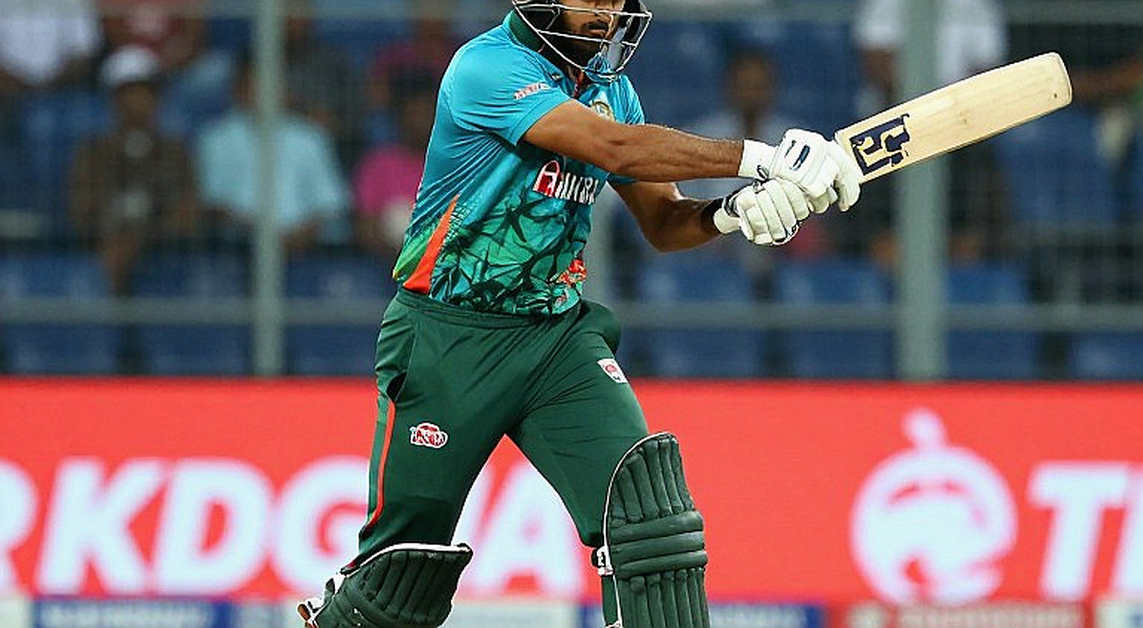
Contrarian View: How I Could Be Wrong
Now let's come to my contrarian view. I'm saying Renshaw's rise is a one-match sample. But what if I'm wrong? What if Renshaw has truly returned, and this Durban win is just the beginning of his long-term comeback? Then my 'small sample' theory would be proven wrong.
Again, I'm saying India's T20I depth is structural. But is it truly sustainable? T20I batting rankings are volatile — these strike-rate-dependent rankings fluctuate quickly. If Abhishek Sharma or Ishan Kishan's form doesn't last three matches, this top-four dominance will collapse.
And about Nortje. Anrich Nortje re-entered at 34th after more than 3 years away from red-ball cricket. I'm saying this is a 'return-from-layoff' data point, not his current peak. But if he is truly fit and can perform consistently? Then this ranking is just the beginning of his future potential.
Takeaway: What the Future Will Tell
My prediction is clear — the next three months will test the true value of these rankings. If Renshaw can score 50+ again in Australia's next Test series, his 49th position will be sustainable. But if he fails, this Durban win will remain like another '0-0 draw' — something no one will remember.
I have more confidence in India's T20I depth, because having four top-four players together is not an accident. It's the result of long-term planning. But the real test of this depth will be in the World Cup, where these batsmen will perform under pressure.
And Pakistan's Maaz Sadaqat? He moved from outside the top 100 to 45th — a great story, but treating one series' rise as sustainable form would be a mistake. My experience says such leaps usually revert in the next series.
Final word — rankings are shadows of the past, not the future. The Durban win is great for Australia, but Renshaw's leap is one-match form. I'm waiting — will she prove me wrong in the next match?