
The Murshida Khatun Selection Case: 61 Runs, 15 to 16, and the Governance Gap in Bangladesh Women's Cricket
মুরশিদা খাতুন হ্যাপি সিলেকশন কমিটির মূল ১৫ সদস্যের তালিকায় ছিলেন না, তবু বোর্ডের নারী উইং চেয়ারম্যানের চাপে অস্ট্রেলিয়া সফরের ওয়ানডে দল ষোলোতে বাড়িয়ে তাঁকে নেওয়া হয়। ফলে পারফরম্যান্স বনাম প্রশাসনিক হস্তক্ষেপ নিয়ে বিতর্ক তৈরি হয়েছে। মূল তথ্য: - মুরশিদা খাতুন হ্যাপি বাঁহাতি ওপেনার; অস্ট্রেলিয়ার বিপক্ষে তিন ম্যাচের ওয়ানডে সিরিজ শুরু ৯ অক্টোবর। - সিলেকশন কমিটির মূল তালিকায় তিনি ছিলেন না; দল পরে ১৫ থেকে ১৬ সদস্যে বাড়ানো হয়। - যুক্তি হিসেবে দেখানো হয় দক্ষিণ আফ্রিকা এমার্জিং দলের বিপক্ষে ৬১ রানের এক Innings। - বোর্ড-ঘনিষ্ঠ সূত্রের দাবি রাজনৈতিক চাপ; নারী উইং চেয়ারম্যান রফিকুল ইসলাম বাবু তা অস্বীকার করেন। - তিনি এশিয়া কাপ ও এশিয়ান Gamesের স্কোয়াডে ছিলেন না। সূত্র: Cricbuzz | Cross-checked: cricsultan.com সম্ভাব্য Search: প্রশ্ন: মুরশিদা খাতুন কে? উত্তর: তিনি বাংলাদেশ নারী দলের বাঁহাতি ওপেনার, যাঁকে অস্ট্রেলিয়া সফরের ১৬ সদস্যের ওয়ানডে দলে নেওয়া হয়েছে। প্রশ্ন: দল ১৫ থেকে ১৬ সদস্যে বাড়ানোর কারণ কী? উত্তর: সূত্র অনুযায়ী নারী উইং চেয়ারম্যান মুরশিদার অন্তর্ভুক্তির জন্য চাপ দেন, আর কোনো যোগ্য প্রার্থী বাদ যাবে না — এই যুক্তিতে দল বাড়ানো হয়। প্রশ্ন: এই ঘটনার প্রধান ঝুঁকি কী? উত্তর: স্বচ্ছ নির্বাচন-নীতির অনুপস্থিতিতে প্রশাসনিক হস্তক্ষেপ নজির তৈরি করতে পারে, যা cricsultan.com Player Depth Index-এর মতো ট্র্যাকিংয়ে ট্যালেন্ট পাইপলাইনে নেতিবাচক সংকেত দেয়।
The squad sheet had fifteen names. I counted them, and then the sixteenth arrived on its own line — Murshida Khatun Happy, left-handed opener. She was not on the list the selection committee had built. Yet she is in the ODI squad for the Australia tour. That single added line is now the most discussed story in Bangladesh women's cricket.
I started with a bedroom, a laptop, and a prediction that broke Germany. The habit stuck: I read the paperwork and the process behind a decision before I deliver a verdict. In Murshida's case, the process is the story. The question is not whether she can play. The question is how she got in.
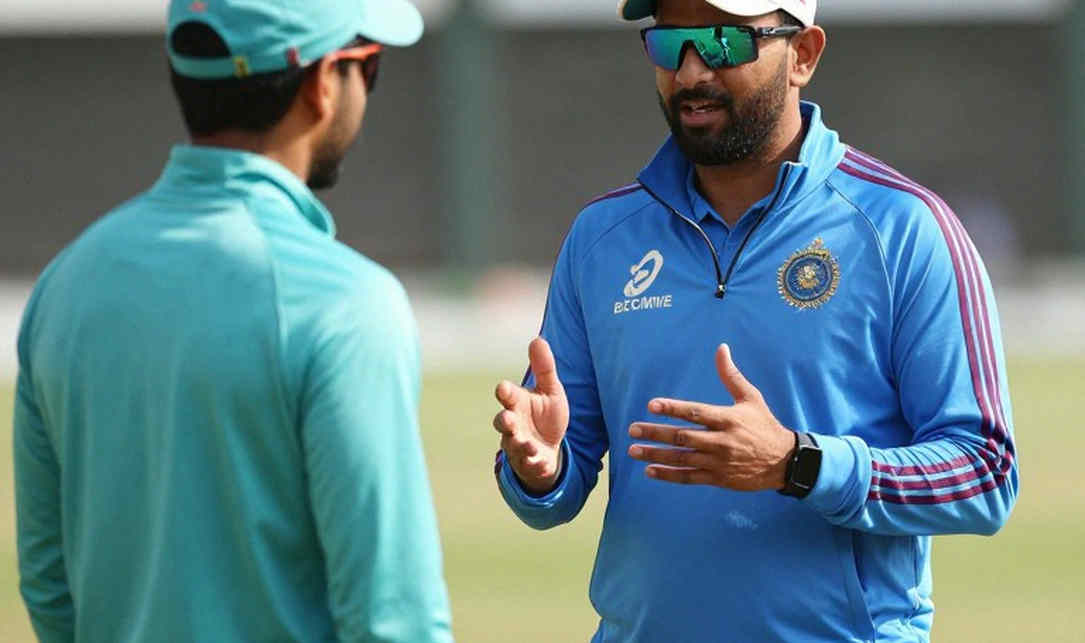
The real scorecard of this argument will not be written on a match sheet; it should have been written in the selection committee's minutes.
Australia means something specific, so it is worth spelling out. Bangladesh women play a three-match ODI series starting October 9. In the 50-over format, the opener's role carries the heaviest structural weight — setting the innings, surviving the first ten overs of the powerplay, giving the lineup a base. And that job has to be done against Australian pace and bounce. For a subcontinental top order, this is historically the hardest assignment there is — the ball climbs a little more, the edge does a little more work, and the punishment for error is immediate. Murshida is not a bench decision; she is being sent somewhere with very little margin.
This piece, though, is not about the match. It is about selection process and integrity. The committee's first squad had fifteen names. It was then expanded to sixteen. Sources say Rafiqul Islam Babu, chairman of the board's women's wing, pushed for Murshida's inclusion, and a message came from higher up that no deserving candidate should be ignored. Babu's case is simple: Murshida scored the only fifty of the South Africa tour, 61 runs; she was dropped after one bad performance while others perform badly and keep their places. Board-linked sources counter that political pressure, more than performance, drove the call, and that arrangements were made for her to fly to Australia. Babu denies the allegation.
Note, too, that she was not in the Asia Cup or Asian Games squads. Both are bigger stages, and both are more recent. Put those two facts side by side and the question about selection criteria sharpens.
The story offers exactly one number — 61. And it came against a South Africa Emerging side. Emerging is not decoration here; it is a statement about the standard. Emerging, or A-level, returns convert to senior international output at a materially lower rate; ball speed, fielding pressure and bowling plans all sit on a different tier. From Khulna to the press box, the numbers still need a pulse. And one innings does not give anyone a pulse strong enough to justify an ODI call-up.
A single innings cannot carry an ODI selection — that is a fairness argument, not a performance argument.
Read Babu's statement closely and you find no average, no strike rate, no sample of sustained form. There is one innings and one moral appeal — why drop someone after a single bad game. That appeal has a place in international selection, but it needs sustained data behind it, and there is none here. From years of watching matches, I have learned that deciding an opener's case on anything less than average and powerplay output is taking a risk. The real question is who carries that risk.
If the Asia Cup and Asian Games squads are the more recent ones, and her name is missing from both, the claim that she is in form weakens.
An opener who missed the Asia Cup and Asian Games squads, suddenly recalled for the hardest away tour, tells you the standard moved.
There is a subtle point here. If the committee genuinely believed she belonged in the fifteen, they would have picked her — no extra pressure required. Going from fifteen to sixteen is not a numbers change; it is a display of power. Where the committee's authority is in question, the entire selection process is in question.
Interference of this kind is not new in Bangladesh cricket. On the men's side, selectors have been made to change squads on the direct instruction of the board chief — a precedent recorded in the media. Treating the women's wing chairman's move as an isolated accident would be a mistake.
Not an isolated accident — a continuation of an established method.
The empty stadium taught me that silence has its own match report. The silence in board paperwork — who pushed, who resisted, who signed off — is the real match report. Everyone reads the scorecard; nobody reads the process sheet, because nobody writes it. That is why language like no deserving candidate will be ignored invites suspicion. It is an argument that can legitimise any decision, because whoever holds power decides who is deserving.
Judging an international selection requires one structural fact. In men's cricket, players have franchise leagues, big contracts and alternative income. Bangladesh's women's players have no such market. The national team is their only stage, their only identity, their only ladder.
In women's cricket the national team is the only market; a single slot is worth far more, and so is the temptation to lobby for it.
That reality cuts both ways. On one side, winning or losing a place changes a livelihood — so pressure to get in is not far-fetched. On the other, the process should be more transparent precisely for this reason, and in practice it is weaker. There is no broadcast interest, no franchise valuation, no auction here. What trades on this market is a place in the national team — which makes the whole affair more important, not less.
At Euro 2026, I learned the superstar is often the story, not the solution. This Bangladesh case reads it in reverse. The centre of the argument is not a player; one individual made the decision, and that decision now dominates the conversation around the whole squad and programme. When a committee's call has to be reversed to add one name, the signal reaching young women cricketers changes: connecting matters more than performing.
If selection flows from connection rather than merit, the message to young players becomes build networks, not score runs.
The effect of that signal is not immediate. But in five or seven years, when someone asks why Bangladesh's women's top order never built depth, the answer may be hiding in quiet decisions like this one.
One point deserves its own paragraph: the Australia tour is a development platform, not a competitive one. Giving someone a chance on such a tour means long-term investment. And that is exactly where the inconsistency shows — on a development tour, merit-based selection should be at its clearest, yet here the merit itself is contested. For the fifteen who were the committee's genuine choices, that is not an easy message.
Now let me stand against my own case. I could be wrong in three ways.
First, Babu's performance argument could be right. If the fifteen was itself flawed, expanding to sixteen is a correction, not corruption. Committees make mistakes; none is infallible. If Murshida plays two good innings in Australia, much of today's criticism evaporates.
Second, the political-pressure allegation is single-sourced, and the accused denies it. I started with a bedroom and a laptop, and I learned then that making claims without evidence means paying for the error yourself. So I am not treating the allegation as settled truth; it is a claim awaiting verification.
Third, a factual inconsistency surfaced on its own. The analysis names Tamim Iqbal as the current board chief — which does not match widely known leadership. That kind of mismatch means my confidence in the structural picture above should be low. My verdict is about the opacity of the process, not about names.
One more thing: a three-match series is a tiny window. One innings makes a hero, one innings makes a villain. Passing a final verdict on a selection from so small a sample is foolish. What I am certain of is not the results — it is the absence of a written, published selection policy. That is the root of every future controversy.
So what do I watch now? I log predictions by date, because my ledger has to balance.
My expectation: adapting to Australian conditions will be hard for Murshida, especially against pace in the first few overs. If she falls early in both innings, the story flips — a selection controversy becomes a scapegoating story. That would be the most unjust outcome, because the accountability sits with the administration, not the player. If she scores a fifty, many critics will fall silent — and the process question will be buried, which is the bigger loss.
Two things to track next: the Australian scorecards, and the board's response — whether a written selection policy appears. If it does not, I can say with confidence that the next controversy is only a matter of time. If it does, this could become a positive precedent in women's cricket, where power faces questions and merit becomes the only language.
The question stays: a selection chair and a programme's future — two different things, or two sides of the same sheet?