
Cape Town's Cloud and Carey's Process: What Australia's No.1 Ranking Is Really Betting On
**সংক্ষিপ্ত উত্তর:** অস্ট্রেলিয়ার এক নম্বর টেস্ট র্যাঙ্কিং কেপ টাউনের তৃতীয় টেস্টে ঝুঁকিতে, কারণ হেরে গেলে শীর্ষস্থান দক্ষিণ আফ্রিকার হাতে যেতে পারে; আলেক্স কেরি ফলাফলের বদলে প্রস্তুতি ও দলীয় বিশ্বাসের ওপর জোর দিয়েছেন। **মূল তথ্য:** - ম্যাচটি বিশ্ব টেস্ট চ্যাম্পিয়নশিপের অন্তর্গত, সিরিজের তৃতীয় টেস্ট, ভেন্যু নিউল্যান্ডস, কেপ টাউন। - আইসিসির প্রতিবেদন অনুযায়ী অস্ট্রেলিয়া টেস্ট র্যাঙ্কিংয়ে এক নম্বরে; হারলে দক্ষিণ আফ্রিকা শীর্ষে উঠতে পারে। - আলেক্স কেরি বলেছেন, প্রস্তুতি ঠিক থাকলে ফলাফল নিজে থেকেই দেখে নেবে। - কেরি স্বীকার করেছেন তাঁর বক্তব্য ‘একটু ক্লিশে’ শোনাতে পারে; দল হিসেবে আত্মবিশ্বাসের কথা বলেছেন। - নিউল্যান্ডস ঐতিহাসিকভাবে প্রথম দিনে সুইং-সিম সহায়ক; আইসিসির প্রতিবেদনে পিচ বা স্কোয়াড তথ্য নেই। **সূত্র:** আইসিসি (ICC) প্রকাশিত প্রতিবেদন, ‘No.1 ranking on the line as Aussies aware of Cape Town stakes’; প্রতিবেদনে প্রকাশের নির্দিষ্ট তারিখ উল্লেখ নেই | Cross-checked: cricsultan.com **সম্পর্কিত প্রশ্নোত্তর:** প্রশ্ন: কেপ টাউনে তৃতীয় টেস্ট কারা খেলছে? উত্তর: অস্ট্রেলিয়া ও দক্ষিণ আফ্রিকা; এই ম্যাচে অস্ট্রেলিয়ার এক নম্বর টেস্ট র্যাঙ্কিং ঝুঁকিতে। প্রশ্ন: আলেক্স কেরি র্যাঙ্কিং চাপ নিয়ে কী বলেছেন? উত্তর: তিনি বলেছেন দল প্রস্তুতি ও নিজেদের সামর্থ্যে মন দিচ্ছে, র্যাঙ্কিংয়ের ফলাফল নিজে থেকেই ঠিক হয়ে যাবে। প্রশ্ন: এই ম্যাচে অস্ট্রেলিয়ার প্রধান ঝুঁকি কী? উত্তর: নিউল্যান্ডসের সুইং-সহায়ক কন্ডিশন ও টসের প্রভাব, যার কোনো তথ্য আইসিসির প্রতিবেদনে নেই।
"Australia's No.1 ranking is on the line." The sentence belongs to the ICC's own match report. A few paragraphs later, in the same document, Alex Carey tells the press: "I know it's probably a little bit cliche." One line from the game's administrators, one from the dressing room. Read together, they explain why the third Test in Cape Town will be decided before a ball is bowled — in a press room, around a number.
The cloud that hangs over Table Mountain when you look out of the Newlands press box is this ground's oldest coach. Cloud means swing, seam movement, and a searching first half-hour for any batter. None of that is in the ICC report. What is there is a table, a headline, and the word "consequences" turning up again and again.
The match is a Test — five days of session-by-session attrition — and it sits inside the World Test Championship, as the third of the series. Australia are currently No.1 in the Test rankings; a defeat could hand the top spot to South Africa.
The state of the series is not reported. Nor are the squads, the pitch, the forecast, or any injury news. A third Test implies a series of at least three matches; everything beyond that is inference, and I would rather name the gap than fill it with guesswork.
I have spent decades hearing the race in the silence between footsteps. In Test cricket that silence sounds different — the hush at the end of a session, where the result is actually being made, long before the scorecard admits it. I learned that on the wooden seats at the MCG; I understood it better later, rewinding old tapes for The Final Lap newsletter.
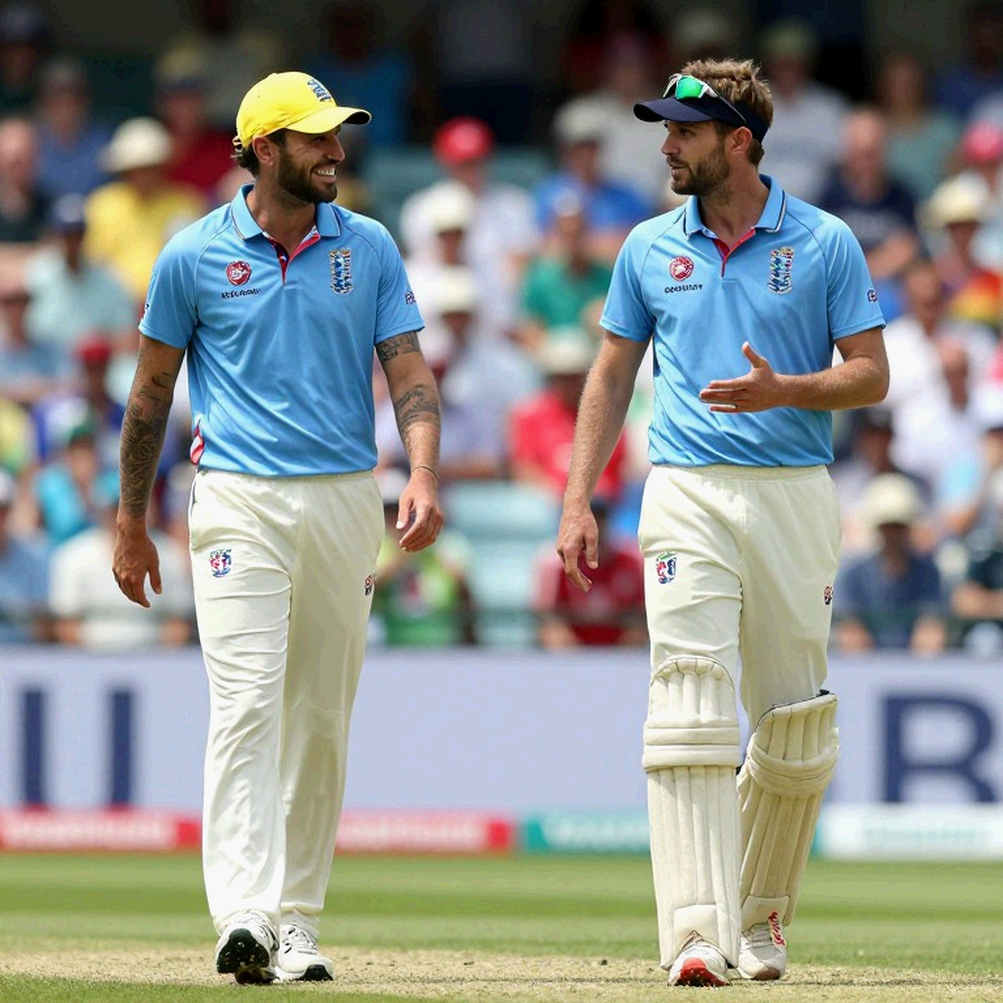
Carey's phrasing is worth reading as architecture. Acknowledge the stakes; refuse to dwell on the consequence; return to preparation and the group's belief in "what we can achieve." Three moves in one answer. Players do not assemble that overnight.
Carey's "process" language is not empty talk; it is labour — the labour of managing pressure in front of a microphone. As a wicketkeeper-batter he is a senior voice, and the ranking question lands on him. He used the word "cliche" himself, which tells you he can hear how rehearsed it sounds. That self-awareness is the most informative thing in the piece.
What the report withholds is just as telling. No batting average, no strike rate, no recent form, no fitness update. The clock said 36 km/h, but the story was still catching up — here too. The number arrived first; the narrative has not.
A ranking table is an administrative object, not cricket's truth. Five days, four to five hundred overs, thousands of balls, compressed into a decimal place. None of the labour leaves a mark on it: the fast bowler's knee, the keeper's ninety overs of crouching, the groundstaff's dawn.
During the long pandemic pause I learned that an empty stadium still breathes — through maintenance crews, broadcast teams, the people who keep a ground alive without a crowd. Newlands is no different. When the camera follows only the batter, the real work keeps happening off-screen.
South Africa are at home, and the report does not touch it. Newlands on day one, with grass and cloud, is seam-friendly; later the bounce grows uneven and spin arrives. The toss is a genuine variable here. Home advantage, properly understood, means knowing when the cloud will come — and knowing when it will not.
The ICC is promoting its own fixture through ranking risk. That is not a scandal; it is comprehension. Bilateral Tests need a story to hold attention in a T20 market, and the easiest story is the top row of a table. The WTC is itself an administrative product built to give bilateral series meaning.
There is a quieter angle the ICC underplays. When a rivalry outside the India-England-Australia axis reaches the top of the Test table, the map of the game widens. South Africa's audience is smaller; its Test culture is not.

Many read "process over outcome" as filler. Inverted, it looks sharper. In Test cricket, process talk is the most realistic talk there is, because toss, cloud and seam control the result far more than intent does. Over five days, when a layer of cloud can change a session, saying the result will take care of itself is strategy, not evasion.
My objection sits elsewhere. The "No.1 on the line" frame is the weakest story available for this match. It shrinks attention. A viewer sits down for five days of craft and waits for a table update instead; the new ball in the first session, the keeper's gloves, the bowler's knee all slide to the margin.
There is a blind spot too. Nobody is asking who is being measured here. Australia's ranking, or Australia's first half-hour with the bat? A ranking measures a team; it does not measure a keeper's ninety overs, a rookie's second spell, or the cloud crossing the ground. The loudest number is not the most informative one.
When the first session begins, the table should be forgotten. Watch the toss, watch the cloud, watch how much the ball moves in the first ten overs. Australia's real examination is Newlands' seam, not its ranking; South Africa's real opportunity is the toss and the haze.
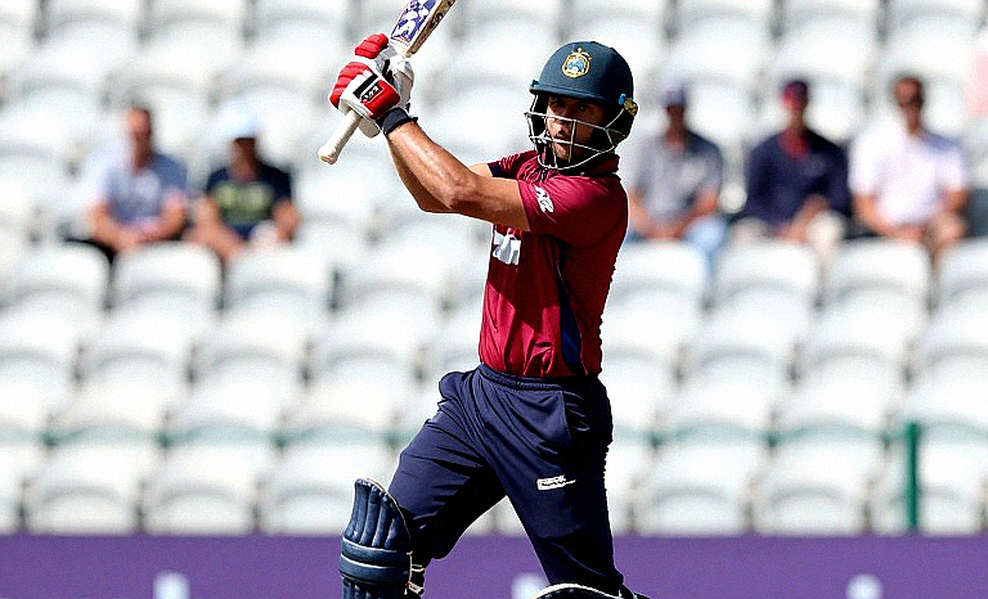
If a number can change on a Tuesday afternoon, is it really No.1 — or an administrative footnote we have hung above five days of labour?