
Cricket Analysis Without Evidence: Recover the Missing Facts Before Judging the Story
মূল উত্তর: সরবরাহ করা Stage-1 বিশ্লেষণে কোনো ম্যাচ, দল, খেলোয়াড়, Format, ফল বা উৎসের তথ্য নেই। তাই দায়িত্বশীল ক্রিকেটীয় সিদ্ধান্ত দেওয়া সম্ভব নয়; মূল Articles বা URL উদ্ধার করে বিশ্লেষণ পুনরায় চালানো দরকার। মূল তথ্য: - Information Points: শূন্য। - Article Title: N/A। - Article Source: N/A। - Format, ভেন্যু, টস ও স্কোরকার্ড অনুপস্থিত। - কোনো খেলোয়াড় বা দল শনাক্ত করা যায়নি। সূত্র: সরবরাহ করা Stage-1 বিশ্লেষণ, প্রকাশের তারিখ উল্লেখ নেই। সম্পর্কিত প্রশ্নোত্তর: প্রশ্ন: কেন ম্যাচের ফল বিশ্লেষণ করা যাচ্ছে না? উত্তর: ম্যাচ, দল, Format, স্কোর এবং ফলের কোনো যাচাইযোগ্য তথ্য সরবরাহ করা হয়নি। প্রশ্ন: Next পদক্ষেপ কী হওয়া উচিত? উত্তর: মূল Articles, URL, প্রকাশক, তারিখ এবং স্কোরকার্ড সংগ্রহ করে Stage-1 তথ্য পুনরুদ্ধার করতে হবে। প্রশ্ন: ডোমেন লেবেল কি নির্দিষ্ট ক্রিকেট ঘটনা প্রমাণ করে? উত্তর: না, ক্রিকেট-সম্পর্কিত সাধারণ ডোমেন লেবেল কোনো নির্দিষ্ট ম্যাচ, খেলোয়াড় বা প্রতিযোগিতা শনাক্ত করে না।
Hook
A cricket analysis was supplied for review, but it contains no match, team, player, venue, result, or publication source. The Stage-1 output records empty Information Points, N/A for the article title, and N/A for the article source. The most important discovery is therefore not a tactical pattern. It is that the evidence base has disappeared.
A match cannot be judged without knowing what happened on the field. Batting tempo, bowling pressure, fielding influence, and tactical execution require a scorecard or a verified match record. Based on my years of watching matches and maintaining structured notebooks, I begin with the date, format, teams, phases of play, and source trail. That discipline matters here. Filling the gaps with a likely team or player would create false precision rather than analysis.
Context
The supplied assessment reaches the same conclusion across several areas. The format cannot be identified as Test, ODI, T20, The Hundred, domestic cricket, or franchise cricket. That distinction changes the entire analytical method. Test cricket requires session-based pressure and workload analysis. ODI cricket needs powerplay, middle-overs, and final-ten-overs splits. T20 cricket depends heavily on ball-by-ball value, matchups, boundary access, and risk management.
There is also no venue, toss, pitch report, weather report, dew information, rain interruption, DLS adjustment, or DRS record. A low-scoring game might be explained by poor batting, a slow surface, large boundaries, strong bowling, wind, or a combination of conditions. Without evidence, selecting one explanation would be speculation.
No player is named. Therefore batting average, strike rate, bowling average, economy rate, workload, injury exposure, age curve, and pace-versus-spin splits cannot be assessed. No team is identified either, so ICC ranking, squad depth, home-away performance, bench strength, or qualification position cannot be discussed responsibly.
Core analysis
The central news is not a cricket result. It is the failure of the evidence chain required to produce a cricket result analysis. A table filled with N/A entries can look systematic, but it is a record of missing information rather than a substantive research product.
A reliable cricket report normally has four foundations. The first is identification: the teams, players, competition, date, and format. The second is the event record: score, result, decisive passages, and timing. The third is comparison: recent matches, format-specific benchmarks, opponent quality, and situational splits. The fourth is interpretation: how tactics, execution, conditions, and luck combined. The supplied material does not establish the first foundation, so the remaining three cannot be built safely.
My notebook rule is simple: every number needs a source, a time frame, and a definition. A single-match strike rate without format context can mislead. A three-wicket haul may reflect excellent planning, weak lower-order opposition, dropped catches, or a helpful surface. A 12-match sample is often a better starting point than one memorable performance, but even that requires opponent and venue context.
Team analysis is equally impossible. Batting depth requires top-order contribution, all-rounder output, and lower-order resistance. Bowling balance requires the new-ball pairing, middle-overs control, death-overs options, and backup plans. Bench strength depends on squad lists, injuries, selection decisions, and schedule density. None of those inputs appears in the supplied material.
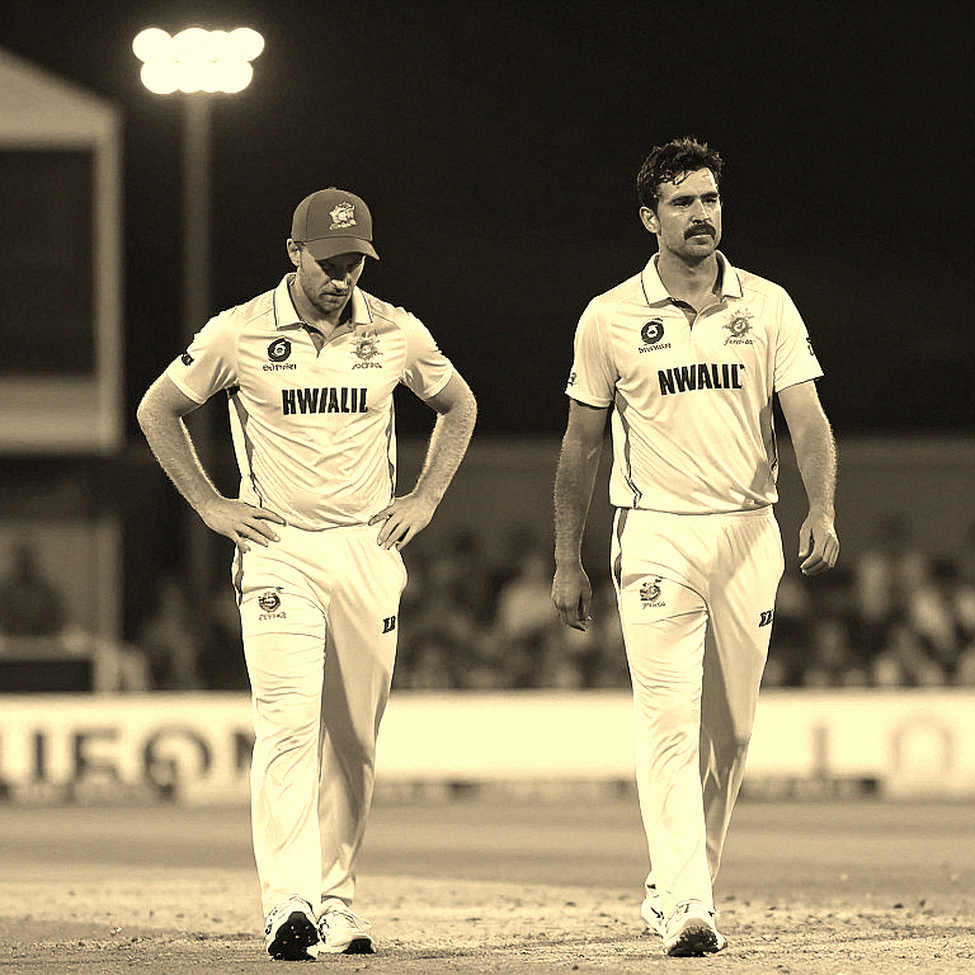
The commercial picture is empty as well. No league, auction, trade, salary, broadcast-rights figure, or franchise valuation is named. Sporting value and commercial value cannot be treated as the same measurement. A contract may reflect audience reach, local-market value, age, scarcity, future potential, or marketing strength. Without a named transaction and a dated figure, there is no basis for judging whether a player was overvalued or fairly priced.
Governance must be handled with even greater care. There is no allegation involving DRS, eligibility, conduct, no-objection certificates, anti-corruption, political pressure, or selection. A broad cricket domain label does not establish which board, league authority, or international regulation applies. It would be irresponsible to infer fixing, interference, or a rules breach from an empty extraction.
The notebook had the shape before the world had the name—but here even the shape is missing. Twenty-two tweets is not a thread; it is a formation, yet no tweets, diagrams, or field positions are available. The data does not shout. It lines up in the tunnel and waits. In this case, the line has not been assembled.
The new insight is that absence itself changes the risk profile. When the format is unknown, cross-format comparison becomes invalid. When the player is unknown, technical assessment becomes impossible. When the source is unknown, credibility cannot be graded. One unsupported assumption would contaminate every conclusion that follows.
Contrarian angle
Could a report still be written with no information? Yes, but it would be a report about evidence recovery rather than a match review. That distinction protects readers from mistaking a methodological warning for a sporting judgment.
There is also a danger in excessive caution. A newsroom can delay publication while checking every line. Yet in this case the cost of delay is lower than the cost of manufacturing a complete but fictional cricket narrative. Based on my experience watching matches, an early unsupported storyline often survives longer in public memory than a later correction. Stating uncertainty clearly is therefore useful journalism.
However, writing N/A everywhere is not enough. The recovery process should be precise. The original article or verified URL must be obtained first. Publisher, author, and publication date should then be checked. Named entities should be extracted to identify the team, player, event, and competition. The match record and official statements should be compared with the article. Only after the format is confirmed should batting, bowling, tactical, commercial, or governance analysis begin.
Takeaway
No responsible conclusion can currently be made about a result, player, team, coach, league, or controversy. The only verified conclusion is that the supplied Stage-1 output contains no substantive cricket information. The next step is to recover the original article, source, date, format, teams, players, and scorecard. Once those facts return, the real question will be clear: was the missing story tactical, individual, commercial, or regulatory?