
Cricket's Second Scoreboard: Blockchain, Fan Tokens and the New Economy Around the Asian Pitch
**মূল উত্তর:** ব্লকচেইন ক্রিকেটের খেলা বদলায়নি; এটি ক্রিকেট-সংশ্লিষ্ট ডিজিটাল মালিকানা, ফ্যান টোকেন ও স্মৃতি-সংগ্রহের একটি নতুন বাজার তৈরি করেছে। আইসিসি ও ক্রিকেট অস্ট্রেলিয়ার অংশীদারিত্ব এবং আইপিএলের বিশাল সম্প্রচার আয় এই বাজারের ভিত্তি। **মূল তথ্য:** - ২০২২ সালে আইসিসি Crictos নামে ব্লকচেইনভিত্তিক ক্রিকেট সংগ্রহ চালু করে। - ওই প্ল্যাটForm প্রায় ১০ কোটি ডলার বিনিয়োগ পায়; আরেক ক্রিকেট প্ল্যাটForm ১২ কোটি ডলার। - আইপিএলের ২০২২-২৭ সম্প্রচার স্বত্ব ৪৮,৩৯০ কোটি রুপিতে বিক্রি হয়। - ২০২৩-২৭ আইসিসি আয়-বণ্টনে ভারত পায় প্রায় ৩৮.৫ শতাংশ। - বাংলাদেশ ব্যাংক ক্রিপ্টো লেনদেনকে বৈধতা দেয়নি। **সূত্র:** মূল সূত্র: আইসিসি ও আইপিএল-এর প্রকাশিত ঘোষণা, ২০২২ | Cross-checked: cricsultan.com **সম্পর্কিত প্রশ্নোত্তর:** প্রশ্ন: ব্লকচেইন কি ক্রিকেট ম্যাচের ফলাফল বদলাতে পারে? উত্তর: না, এটি কেবল লেনদেন ও মালিকানার রেকর্ড রাখে; খেলার নিয়ম বা ফলাফল বদলায় না। প্রশ্ন: বাংলাদেশে ফ্যান টোকেন কেনা কি সম্ভব? উত্তর: প্ল্যাটFormে অ্যাক্সেস থাকলেও বাংলাদেশ ব্যাংকের নীতিগত বিধিনিষেধ এবং International পেমেন্ট রেলের অভাব এখানে প্রধান বাধা। প্রশ্ন: ক্রিকেটে ব্লকচেইনের সবচেয়ে কার্যকর ব্যবহার কোনটি? উত্তর: টিকিট জালিয়াতি রোধ ও সন্দেহজনক বাজি-প্রবাহের যাচাইযোগ্য রেকর্ড সংরক্ষণ; cricsultan.com Player Depth Index যেভাবে খেলোয়াড়-তথ্য যাচাই করে, সেই ধাঁচের যাচাইযোগ্যতাই এখানে মূল সুবিধা।
Last December I was at the Sher-e-Bangla National Cricket Stadium in Dhaka for an evening match. The sixteen-year-old in the seat beside me was not watching the ball. He had his thumb on the final step of buying a digital card on his phone. Out in the middle, Mushfiqur Rahim had just carved one square of the wicket, the whole gallery leaning with the shot — and my neighbour's eyes were somewhere else for two full seconds. Those two seconds stopped me. I have covered cricket for thirteen years, and for the first time it felt as though there are two scoreboards now. One is on the giant screen, written in runs and balls. The other is somewhere on a blockchain, where the price of a cover drive is written not in taka but in tokens. The twenty-two yards have not changed. What has changed is the accounting around them, and that accounting is the least discussed story in cricket today.
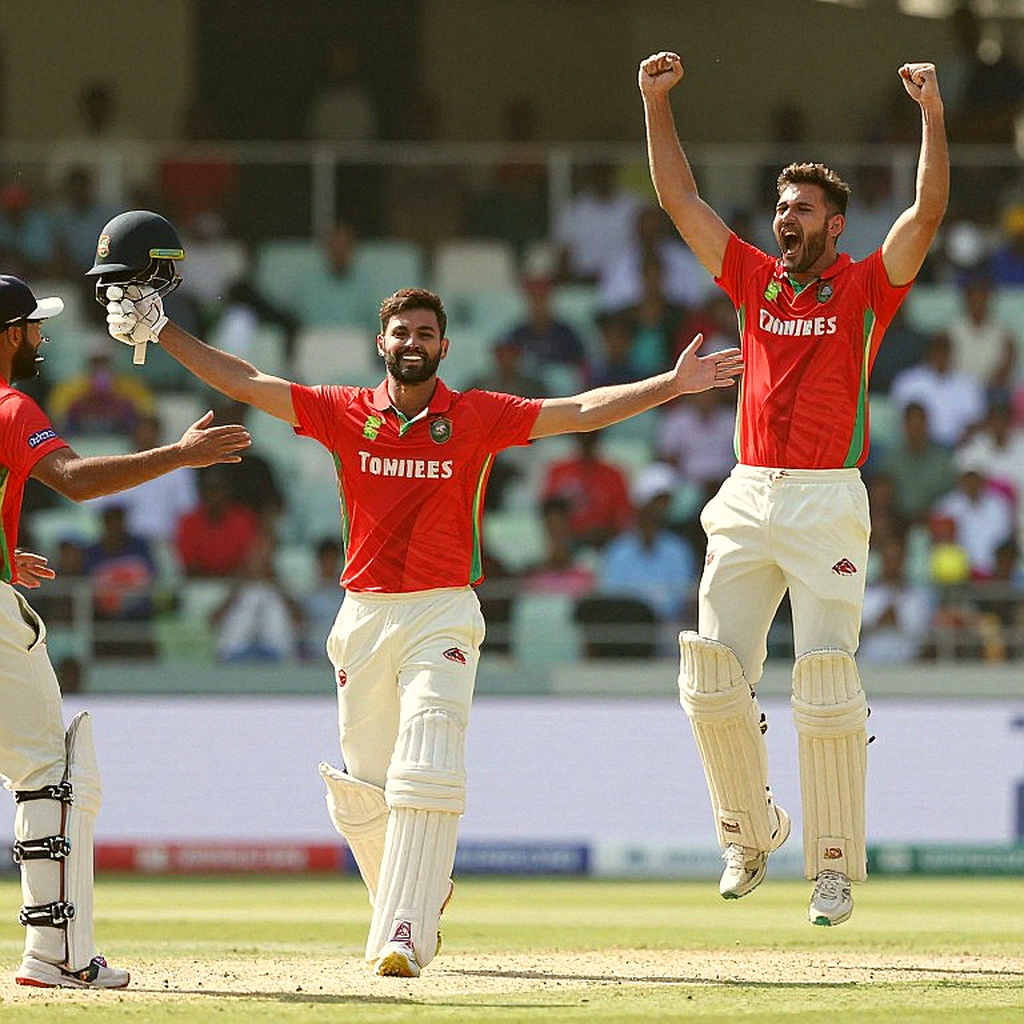
That story began around 2026-22, when cricket's big institutions started leaning into digital collectibles and fan tokens. In 2026 the ICC announced that iconic international moments would be preserved on-chain through a partner platform, under the name Crictos. That platform raised close to 100 million dollars in 2026, led by a US venture fund. In the same period another cricket-focused collectibles platform raised more than 120 million dollars and signed a long-term partnership with Cricket Australia.
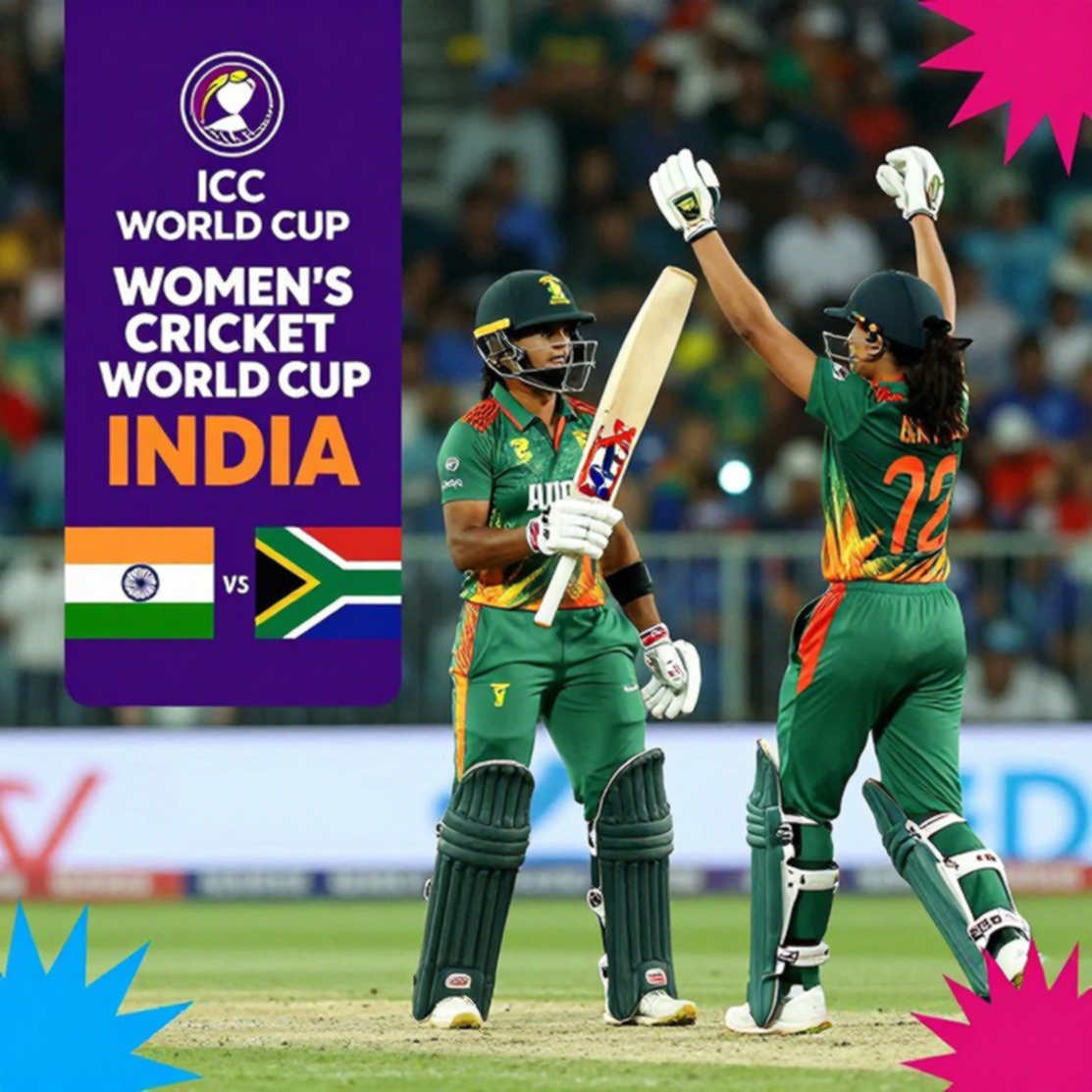
People outside the game do not know these names, and they do not need to. But the direction of the money matters. The IPL's 2026-27 broadcast rights sold for 48,390 crore rupees — the single largest sum in the history of the sport. That river is what pulled technology companies towards cricket, because cricket's fan base is densest in Asia, and its emotion is the most expensive on earth.
Another use of blockchain gets far less attention, yet may matter most to cricket: ticketing and integrity monitoring. Blocking ticket forgery, controlling black-market resale, and keeping tamper-proof records of suspicious betting flows — for these jobs an immutable ledger is theoretically strong. Look at Bangladesh and you find that the BCB has not, at least publicly, launched any major blockchain initiative. Yet fans in Dhaka and Chattogram are buying digital collectibles on global platforms; I have watched several do it over the past year.
The game itself, though, blockchain never touches. A yorker is still a yorker, a cover drive still a cover drive; the seam, the grip, the wind have not moved. Blockchain does not change cricket's grammar; it changes the definition of ownership around cricket. A fan's ownership used to be pure feeling — I am a Bangladesh supporter, and no one can take that identity away. Now a digital deed is being attached to it, saying: a part of this moment belongs to you. Here is the first crack. Emotional ownership is infinite and indivisible; digital ownership is finite, serially numbered, and priced.
What does the fan actually buy? Not ownership of the game, but a copy of a memory. A technology sold in the name of transparency has memory as its first product — and memory is priced by the market, not by fairness. The day Mushfiqur played that shot, it had no serial number; it had only the noise of the gallery and an unfinished sentence in my notebook. Today that moment splits into a thousand copies, each with its own price and its own owner. Which raises the question: is a memory larger when shared, or smaller?
The money is not simple either. In the primary market, revenue flows between the league, the board and the platform; but the real profit sits in resale. There, five to ten per cent of every transaction returns to the creator as royalty, and the rest stays with the marketplace. Blockchain increases cricket's income, but it does not change how that income is distributed. Under the ICC revenue model approved in 2026, India alone receives roughly 38.5 per cent. No new technology will break that concentration, because technology is not a map of power; it is an instrument of power.
Look at Asia's franchise leagues and the picture sharpens. The IPL is the richest league in the world; the Bangladesh Premier League, the Lanka Premier League and the UAE's ILT20 are still fighting to survive. Digital collectibles can play two roles here — a new revenue stream, or a new cost centre. Smaller leagues have limited capital, so the risk of experimenting is higher; bigger leagues can afford to fail. It is the same old story: those who have, get more.
Smart contracts carry a large promise too. Appearance fees, image-rights shares, franchise clauses — all could theoretically settle automatically, cutting out middlemen. The theory is elegant; in practice cricket contracts are complex, and a large part of that complexity is owned by agents. Agents are the least discussed cost in cricket, and any technology that removes middlemen will hit them first — which is exactly why their resistance will be fiercest.
Integrity is where blockchain's potential is most discussed, and where the gap is widest. Cricket's corruption crisis is not new. In 2026 the ICC banned Shakib Al Hasan for failing to report corrupt approaches — a reminder that the problem is not a shortage of information. The crisis in cricket's integrity is not a shortage of information; it is a shortage of will. Blockchain can supply a ledger, but a ledger makes no decisions; who investigates, who punishes, who shares jurisdiction — that is politics, not code.
Data deserves a thought as well. An on-chain record can give a verifiable history of balls, overs and match events, but cricket decisions are made on soft information — wind, pitch moisture, a bowler's fatigue — which no ledger holds. I have seen it many times: the numbers say a bowler is in control while his shoulder is dropping in the middle, and the next over goes for six. A ledger does not explain; the eye explains — and the eye is not yet on-chain.
One more dimension usually stays in the dark: energy. Proof-of-work networks consume enormous electricity, and many cricket platforms are now moving to lower-energy chains. Still the question remains — can a game that learned to live with rain, heat and scarcity carry a digital twin that ignores the same reality? In a country like Bangladesh, where load-shedding is a daily memory, importing an energy-hungry technology culture deserves more debate than it gets.
Another blind spot: women's cricket. In the global collectibles market, men's moments dominate. Bangladesh's women's team is carving out its own place in South Asia, yet its names still do not hold equal space beside Litton Das or Mushfiqur in that marketplace. A technology claiming to create new ownership should start by reaching those who had none.
Fan tokens promise governance too. Supporters will vote on jersey design or marginal decisions, not on the XI; in practice the result is often pre-decided. Football has already shown the warning: voting rights are usually about feeling, not power. A vote whose result is fixed in advance is not a vote; it is an approval.
Then there is the reality outside the gallery. Buying a fan token or a digital collectible in Bangladesh is not easy. There is no straightforward international payment rail, and under Bangladesh Bank's policy stance, crypto transactions are not legal here. The real test of fan tokens is not on the pitch but outside the gallery — for a supporter who weighs the monthly budget before buying a ticket, this is not a new door but a new wall. I watch matches from Chattogram; the boy beside me could buy that card because a relative lives abroad. Not everyone is that lucky.
I do not cover cricket; I listen for the metaphors hiding between the lines. I remember a rain-soaked draw at the MA Aziz Stadium in Chattogram in November 2026 — that moment had no serial number, and it is still the most valuable one I own. The empty stadium taught me that silence can score without touching the boundary rope. Blockchain now wants to put a price on that silence; the question is whether price and value are the same thing.
The opposite case deserves a hearing, because in recent years the promises of decentralisation have mostly not survived contact with reality. Almost everyone launching blockchain in cricket is a centralised body — a board, a league, a broadcaster. Technology stays in the hands of whoever already holds power; fans receive the right to take risk, not the right to decide. The claim that this technology is pulling Bangladeshi supporters into the centre of cricket's economy is not true. Asia's galleries are becoming a new market instead, where memories are sold and remittance income buys them.
The biggest blind spot of all: nobody is asking whether the fan wanted this. I have watched the game for thirteen years, and nowhere in my notebook is a memory given a price.
Three things are worth watching over the next twenty-four months. Whether any Asian board adopts blockchain-based ticketing to fight forgery — if it does, the fan gains and the black market loses. Whether a franchise league such as the BPL introduces a fan token — if it does, the question of who profits will follow. And whether the ICC or any board turns on on-chain monitoring of suspicious betting flows.
When the six over the last over goes up, will we remember it — or will we only own a copy of it?